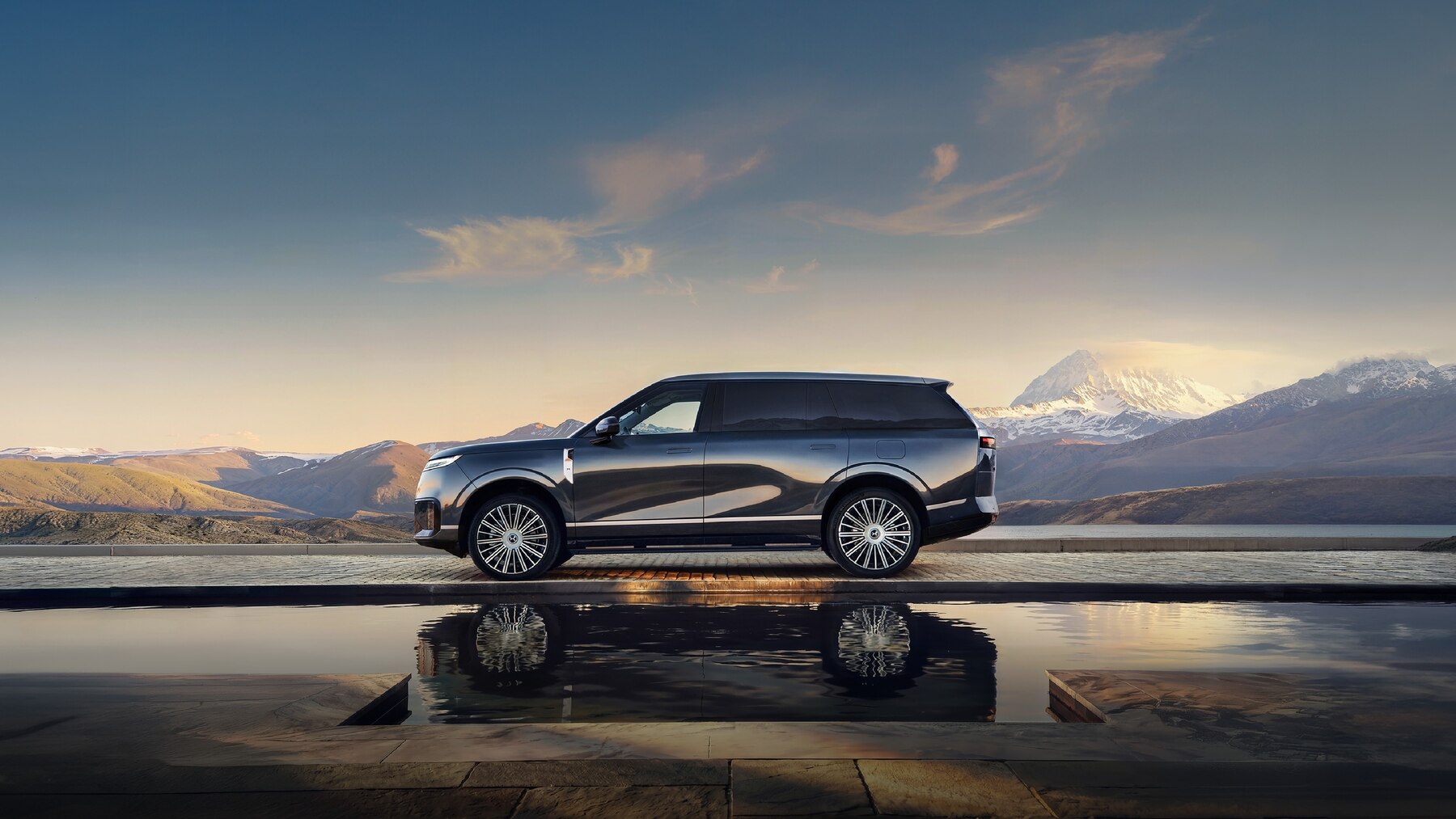
At first glance, you might reach for the Range Rover key. Then you notice the badge.
Long bonnet. Upright stance. A roof that appears to float above an expanse of expensive-looking glass. The visual language is familiar, even when the name on the tailgate is not.
The XPeng GX, Zeekr 9X, Denza N9 and Yangwang U8 belong to a new wave of Chinese luxury sport utility vehicles (SUVs) asking an awkward question: what exactly are you paying for, the engineering, the indulgence, or the name across the bonnet?
The answer is not simply that China has learned to make something look expensive. These cars bring electric motors, substantial batteries and ambitious control systems to a segment that has traditionally sold effortlessness by the cylinder.
They are not Range Rovers, and resemblance is not evidence of copying. Nor have we driven this quartet back to back. This is a look at the challenge they pose, not a road-test verdict dressed up in a dinner jacket.
XPENG GX
The one that makes you look twice.
The GX makes the strongest case for our headline. Its restrained sides, dark upper body and upright proportions have a distinctly familiar rhythm. The lighting and detailing take it somewhere else, but you can see why Range Rover enters the conversation.
XPeng offers it in China as both a fully electric vehicle (EV) and an extended-range electric vehicle (EREV). The latter uses a petrol engine to generate electricity for its electric drive system. You can plug it in, then use the engine when the battery needs help.
The six-seat cabin is the other half of the pitch. Individual middle-row chairs, a generous third row and a very deliberate emphasis on travelling comfortably rather than merely accommodating six people. The manufacturer photography is doing plenty of selling, but the idea is clear.
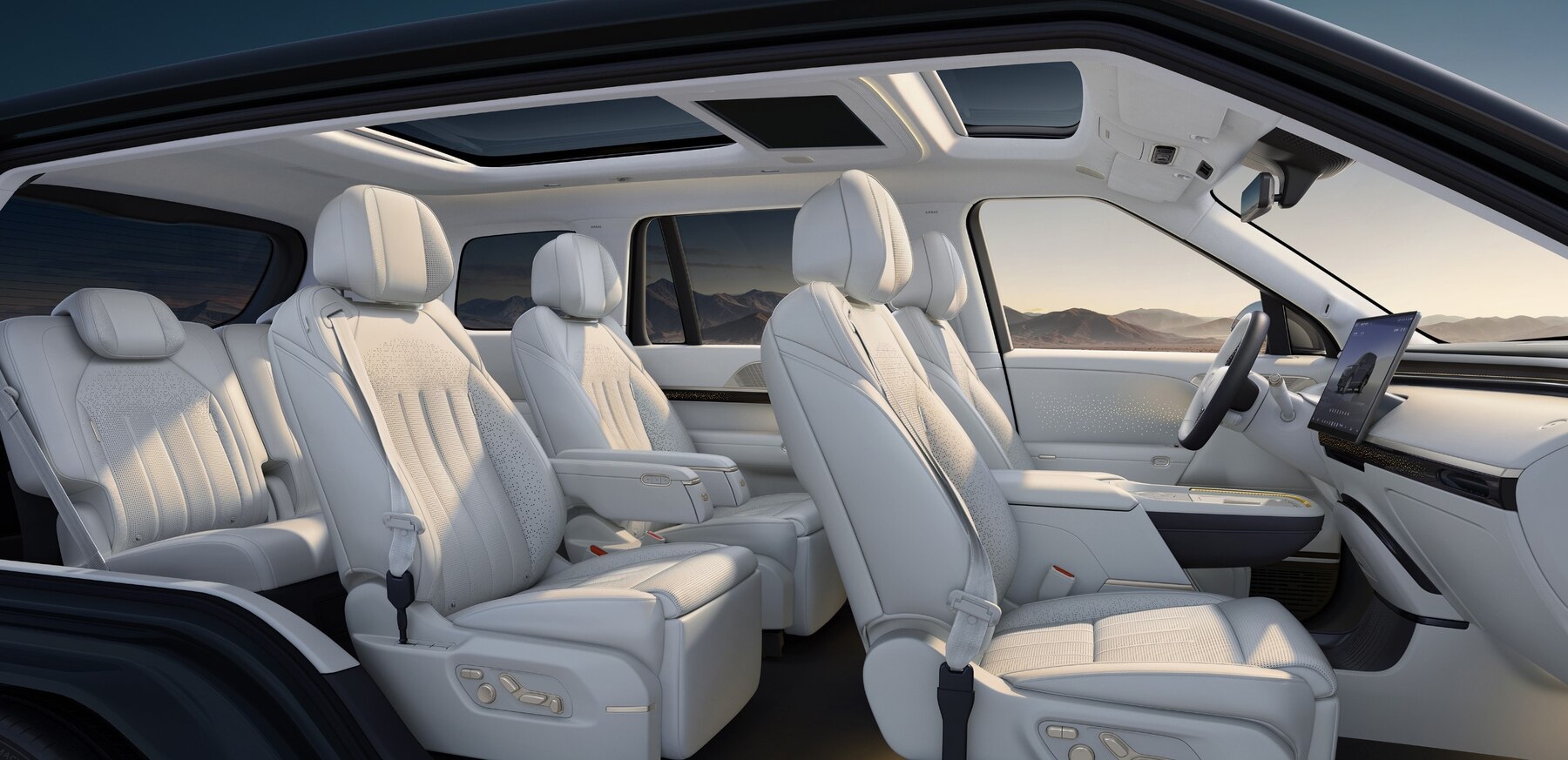
XPeng has confirmed the GX for Australia. Local pricing, final specification and a firm arrival date remain unannounced. The Chinese extended-range Max starts at 289,800 yuan (about A$63,000) before any expired launch discount, not the lower 269,800-yuan promotional EV figure still circulating online.
A familiar silhouette may get somebody into the showroom. A good ride, intuitive controls and competent support will have to keep them there.
ZEEKR 9X
Business class has found a driveway.
The 9X is less shy about announcing itself. That grille has not come to make a small contribution to the streetscape. It has come to chair the meeting.
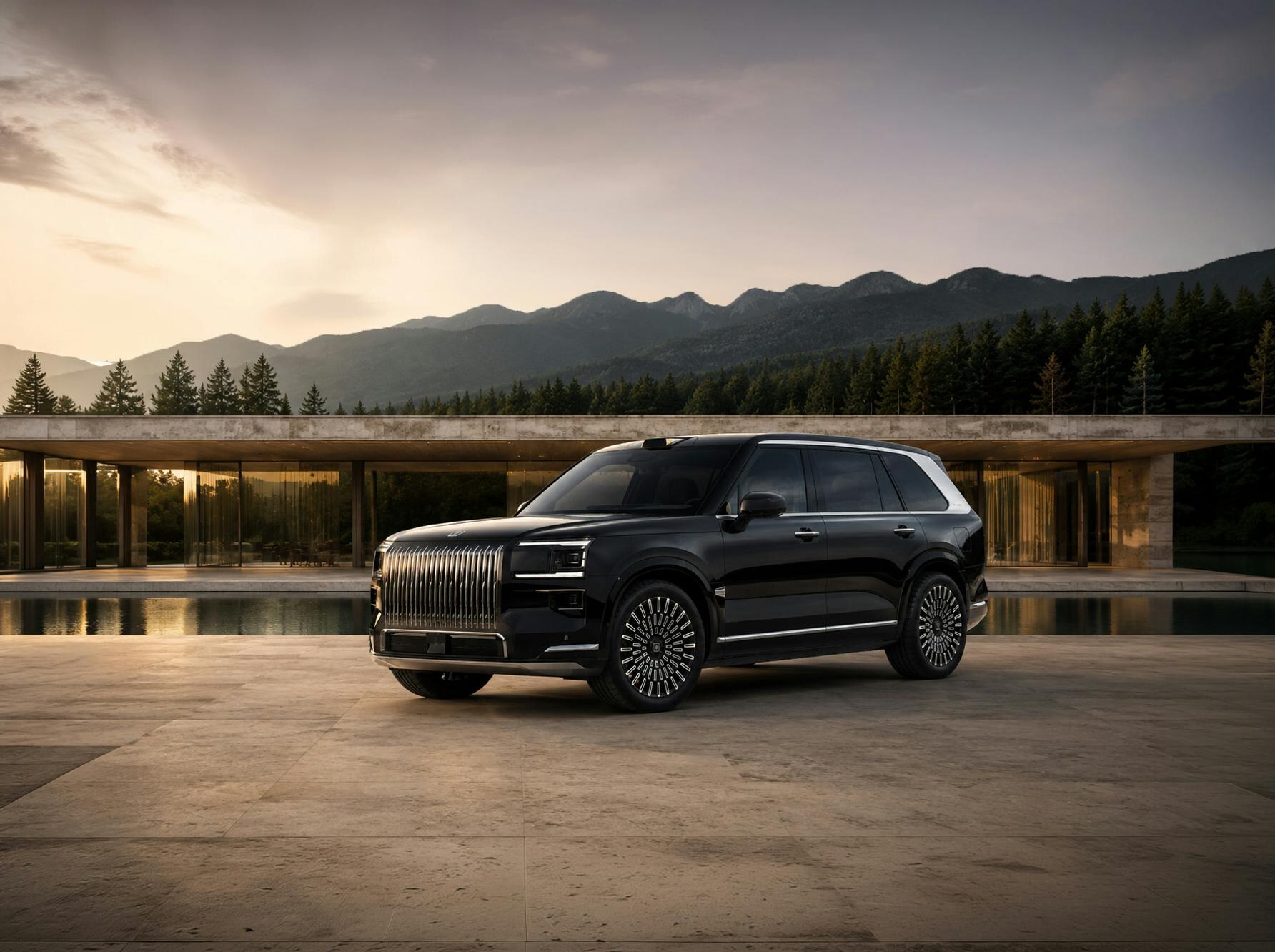
Beneath it is a plug-in hybrid electric vehicle (PHEV), with a petrol engine and electric motors, rather than a battery-only EV. Zeekr’s Chinese launch specification describes a 900-volt architecture, air suspension and a three-row, six-seat cabin. The published Chinese list-price range begins at 465,900 yuan (about A$101,000).
Inside, the proposition is unapologetically indulgent. Zeekr’s European specification lists massage, heating and ventilation for the first two rows, powered second-row leg rests, a sliding 17-inch entertainment display and a 32-speaker Naim audio system.
The European car is not a specification sheet for the Australian one. Nor should the most powerful Chinese version be quietly attached to the entry price. We want to see the local equipment, electric range, price and support package together before calling it a bargain.
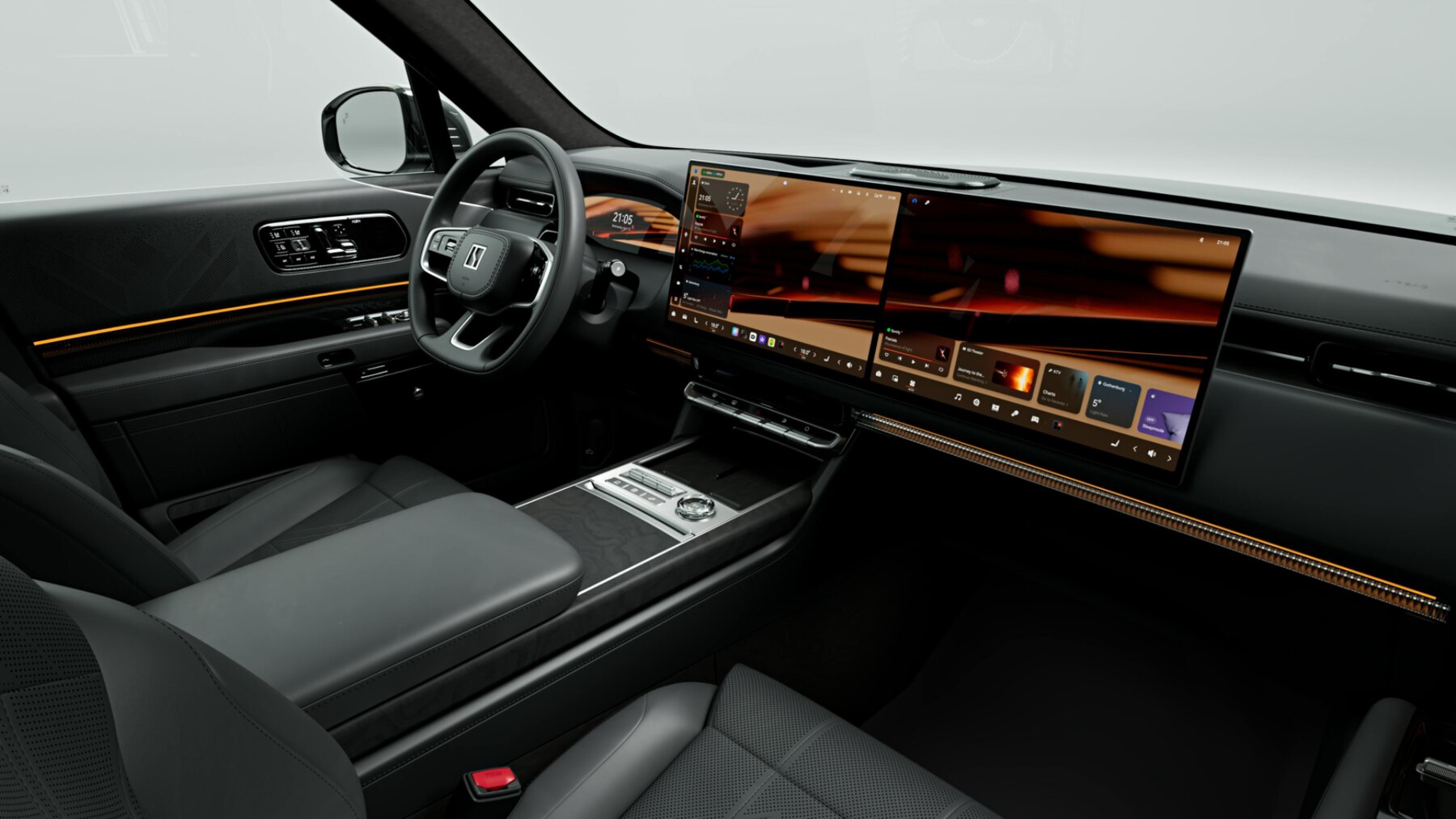
The appeal is easy to understand, though. It offers a vision of luxury based on what happens inside the car, rather than how long your family has been buying the badge.
DENZA N9
The lounge with a very large battery.
The N9, from BYD’s premium Denza brand, makes a slightly different argument. Its imposing proportions belong in this company, but the interesting part is not whether a passer-by mistakes it for something British.
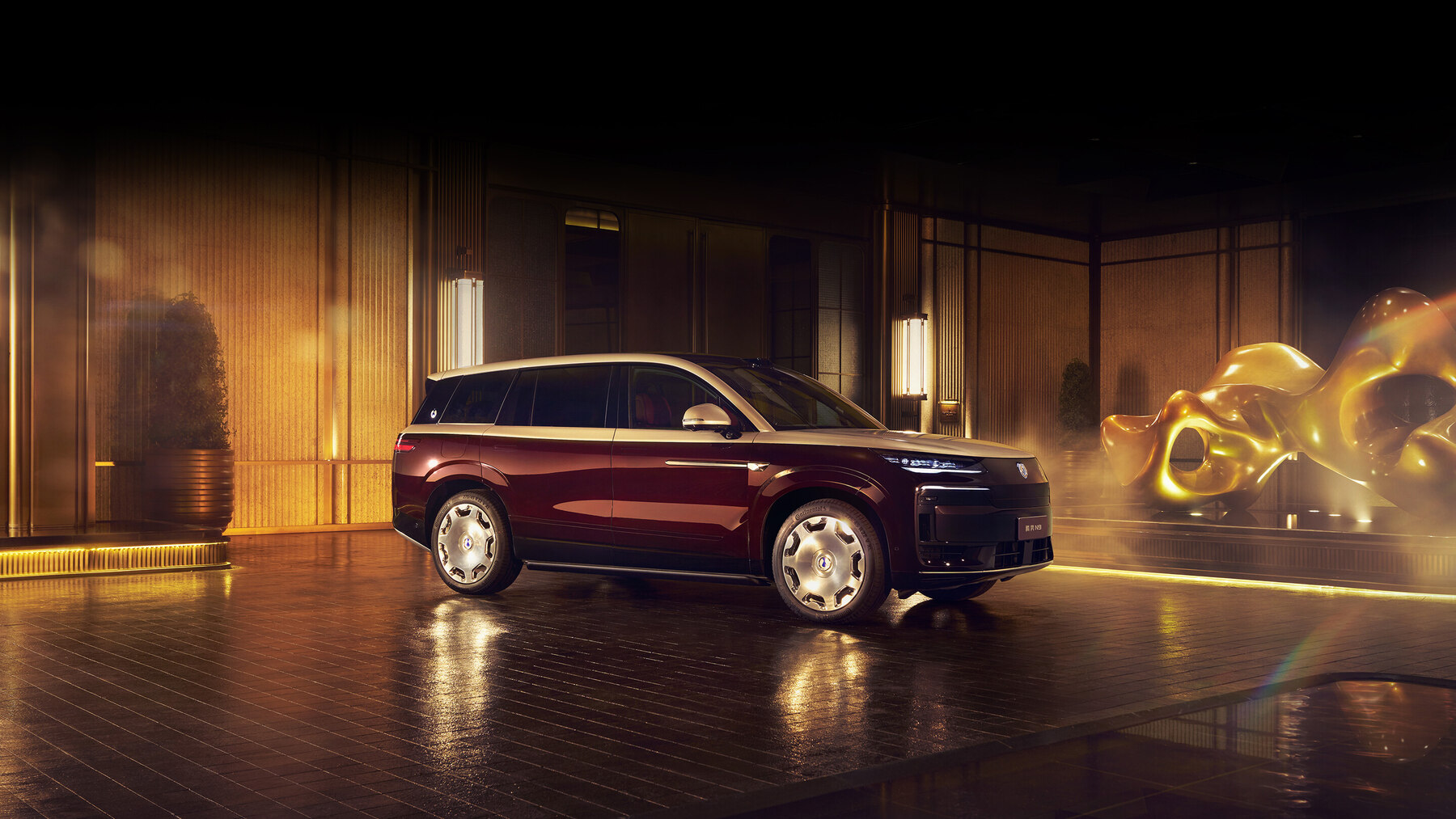
The Chinese Flash Charging edition pairs a petrol engine with three drive motors and a 75.3-kilowatt-hour (kWh) battery. That is substantial energy storage for a plug-in hybrid. Denza claims up to 420km of electric driving under the China Light-Duty Vehicle Test Cycle (CLTC), not an Australian real-world result.
That distinction matters. CLTC figures cannot be treated as directly equivalent to the Worldwide Harmonised Light Vehicles Test Procedure (WLTP), let alone your highway journey with the family and luggage aboard.
Denza also claims a 10–70 per cent charge in five minutes on suitable Flash Charging equipment. That does not mean an ordinary Australian public charger will deliver the same stop. The car, charger and battery conditions all have to cooperate.
The N9’s Chinese list price starts at 409,800 yuan (about A$89,000). Australian approval has been reported, but that is not the same as a confirmed retail launch, a local price or a promise that our car will get the Chinese battery and charging specification. Those are separate questions.
What it does demonstrate is how far the plug-in hybrid brief can stretch. This is not just a big petrol SUV with a small electric footnote.
YANGWANG U8
Not everything from China is trying to be cheap.
If the others are auditioning for the Range Rover driveway, the U8 has arrived with its own technical demonstration team.
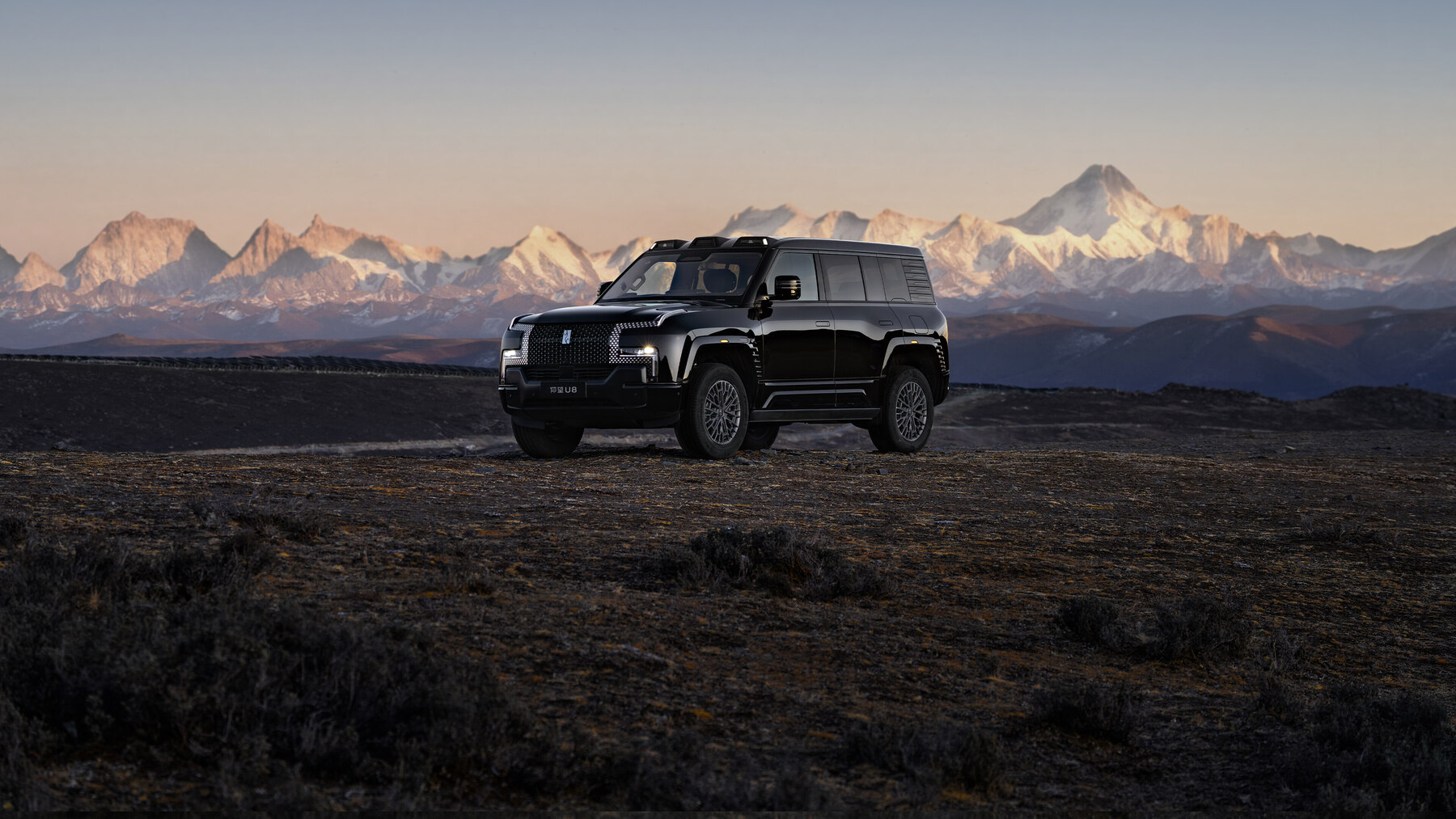
BYD’s Yangwang brand uses four independently controlled drive motors, one for each wheel, and an intelligent hydraulic body-control system. The U8’s petrol-assisted electric powertrain makes it a plug-in vehicle, but not a battery-only one.
The manufacturer’s party pieces include turning on the spot and emergency flotation. The latter is a safety escape function, not an invitation to drive into floodwater. A luxury SUV is still a poor substitute for a boat, especially when the brochure is doing the navigating.
The current Chinese U8 starts at 1,008,000 yuan (about A$219,000), before anyone considers Australian specification, taxes, compliance or distribution.
That is the point. China is not only challenging the bottom of the luxury market. Yangwang wants to demonstrate that it can build the expensive, complicated, technically extravagant thing as well.
Australian approval has been reported for the U8, but local retail pricing and an on-sale date remain unconfirmed. Approval is a step, not a set of keys.
THE MONEY. WITH THE SMALL PRINT LEFT IN.
Here is the Chinese price context for the exact versions discussed. These are published starting list prices, not Australian offers. Currency conversion does not create a landed price.
| Model and version | China list price | Approx. A$ conversion |
|---|---|---|
| XPeng GX EREV Max | ¥289,800 | A$63,000 |
| Zeekr 9X Max PHEV | ¥465,900 | A$101,000 |
| Denza N9 Flash Charging PHEV | ¥409,800 | A$89,000 |
| Yangwang U8, 2026 model | ¥1,008,000 | A$219,000 |
For an Australian reference, the full-size Range Rover’s published 2027 entry plug-in hybrid and electric prices are:
| 2027 model | Published Australian price |
|---|---|
| Range Rover P460e HSE, short wheelbase | A$284,900 plus on-road costs |
| Range Rover Electric HSE | A$317,718 plus on-road costs |
The GX and 9X are confirmed Australian prospects without announced local pricing. The N9 and U8 have been reported as approved, but their retail launches and prices remain unresolved. Until those pieces land, nobody can honestly tell you how much cheaper this quartet will be here.
WHAT THE PRICE DOES NOT TELL YOU.
A seat can massage you beautifully and still sit above a suspension tune you do not enjoy. A huge screen can be impressive until the function you need has moved three menus away. Equipment is easy to count. Refinement takes longer.
There is also the less photogenic side of luxury: parts, servicing, insurance, repair times, software support and resale. A promising new badge does not automatically fail those tests. Equally, an established badge does not get a lifetime exemption.
And not every large SUV has the same job. A six-seat executive lounge, a serious off-roader and a family touring car can share a silhouette without sharing towing limits, payload, tyre choices or terrain capability.
We would not award any of these cars a victory over Range Rover from a specification sheet. We would want the Australian versions, on the same roads, with the same expectations. The original deserves a fair hearing too.
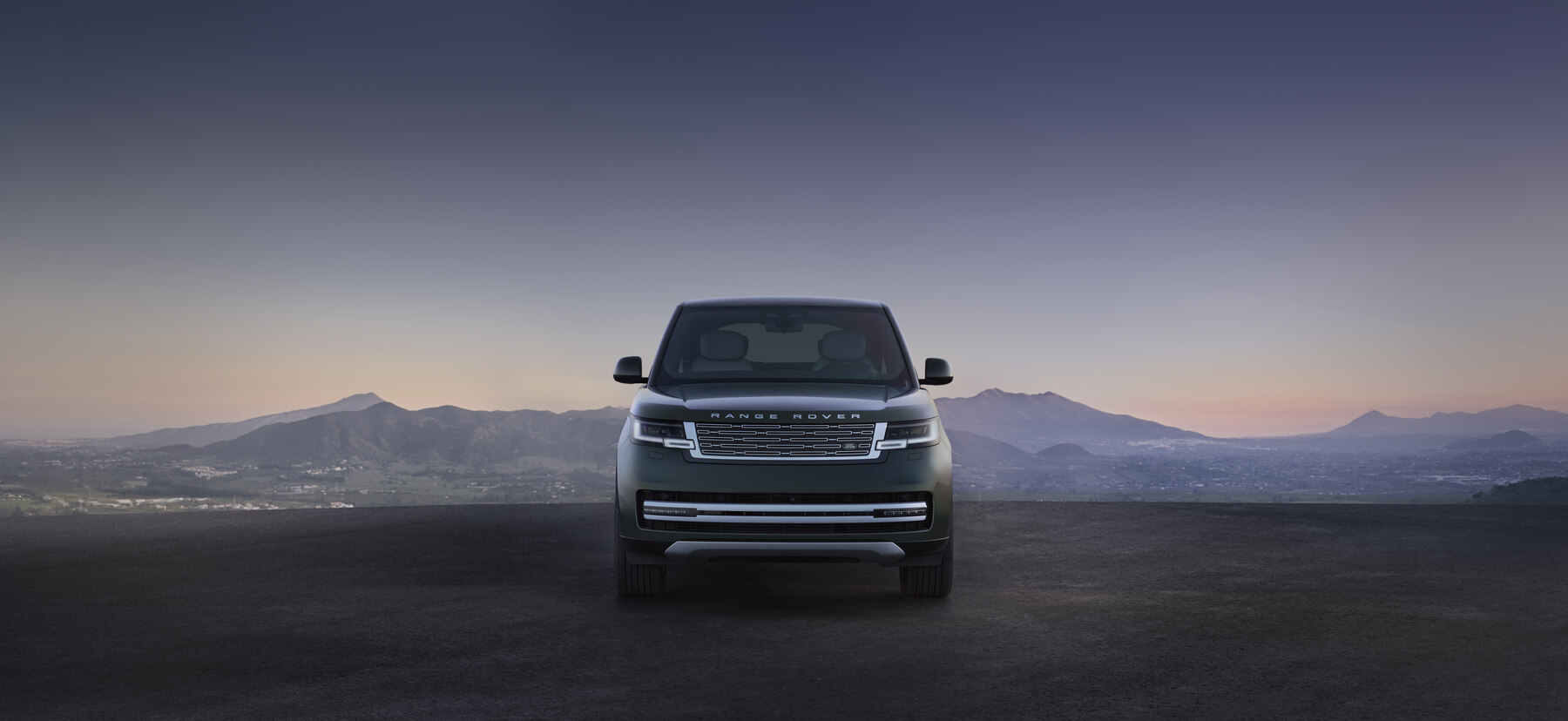
SO, ARE THESE THE NEW RANGE ROVERS?
Not yet in the sense of replacing everything the name stands for. A recognisable shape is one thing. Delivering the whole ownership proposition is another.
But as alternatives to the idea of a Range Rover, they are becoming hard to dismiss. The GX offers the familiar visual calm. The 9X sells the travelling lounge. The N9 pushes the electric side of the hybrid equation. The U8 makes engineering theatre part of the luxury package.
Range Rover is responding with its own electric model, so this is not a contest between a modern China and a Britain that has misplaced the charging cable. It is a contest over who can make a big, expensive car feel most worth the money.
The old question was whether a Chinese badge could look at home outside the nice hotel.
The new one is whether the person driving it will still wish they had bought the Range Rover.
Price note: Approximate Australian-dollar equivalents use the Reserve Bank of Australia’s 6 November 2026 rate of A$1 = 4.6020 Chinese yuan, rounded to the nearest A$1,000. China prices exclude conditional trade-in subsidies and temporary launch discounts. Local taxes, specification and retail costs differ, so these figures cannot be subtracted from Australian prices to claim a saving.
Price note: Australian Range Rover prices are published recommended prices before on-road costs and options. P460e HSE is the short-wheelbase plug-in hybrid; Electric HSE is battery-electric. These are different powertrains and markets from the Chinese price references above, not like-for-like purchase quotes.
Images: XPeng, Zeekr, Denza / BYD, Yangwang / BYD and Range Rover / JLR manufacturer publicity photography. Overseas vehicles shown; equipment and Australian specification may differ. This is researched analysis, not a comparative road test.