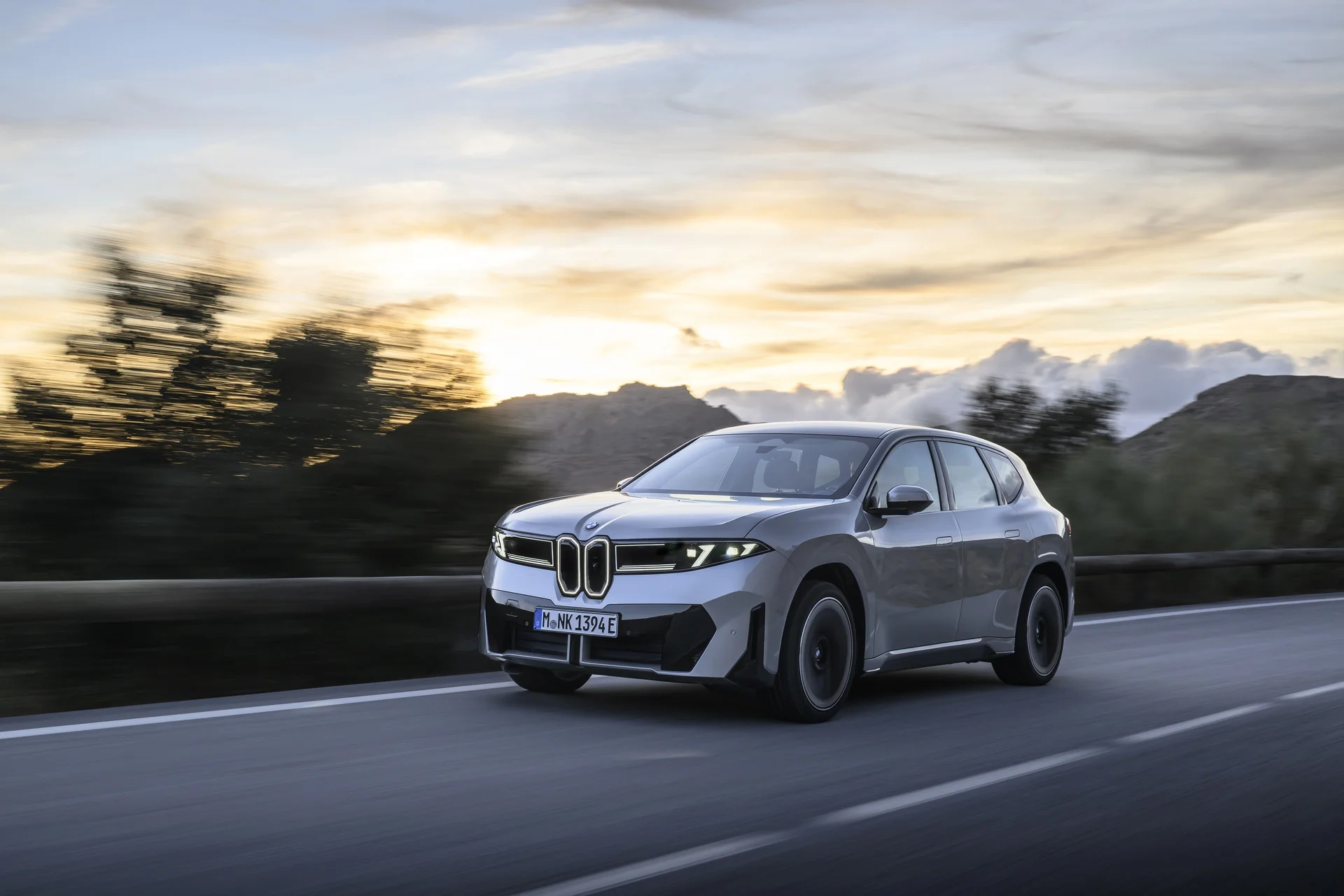
There’s a lot of noise around the new BMW iX3. For once, much of it appears to be deserved.
We’ve seen it, done the walk-around and sat in it. Next comes the drive.
And if the driving lives up to the promise, BMW may have made life rather awkward for quite a few other car companies.
YES, WE’RE INTERESTED
It would be easy to spend all our time looking at the new arrivals. There are plenty of them, many are very good, and several offer enough equipment for the money to make the established brands uncomfortable.
But we’re interested in good cars, wherever they come from. BMW doesn’t get extra marks for being BMW. It doesn’t lose them either.
The iX3 is the first production car from its Neue Klasse generation. New Class, if your German is rusty. The significance is that BMW has built a new electric architecture around the job, with the battery, charging system, electronics and cabin all part of the same rethink.
That deserves more than a glance at the badge and a joke about the grille. Although we reserve the right to make the joke.
THE APPLAUSE IS GETTING LOUDER
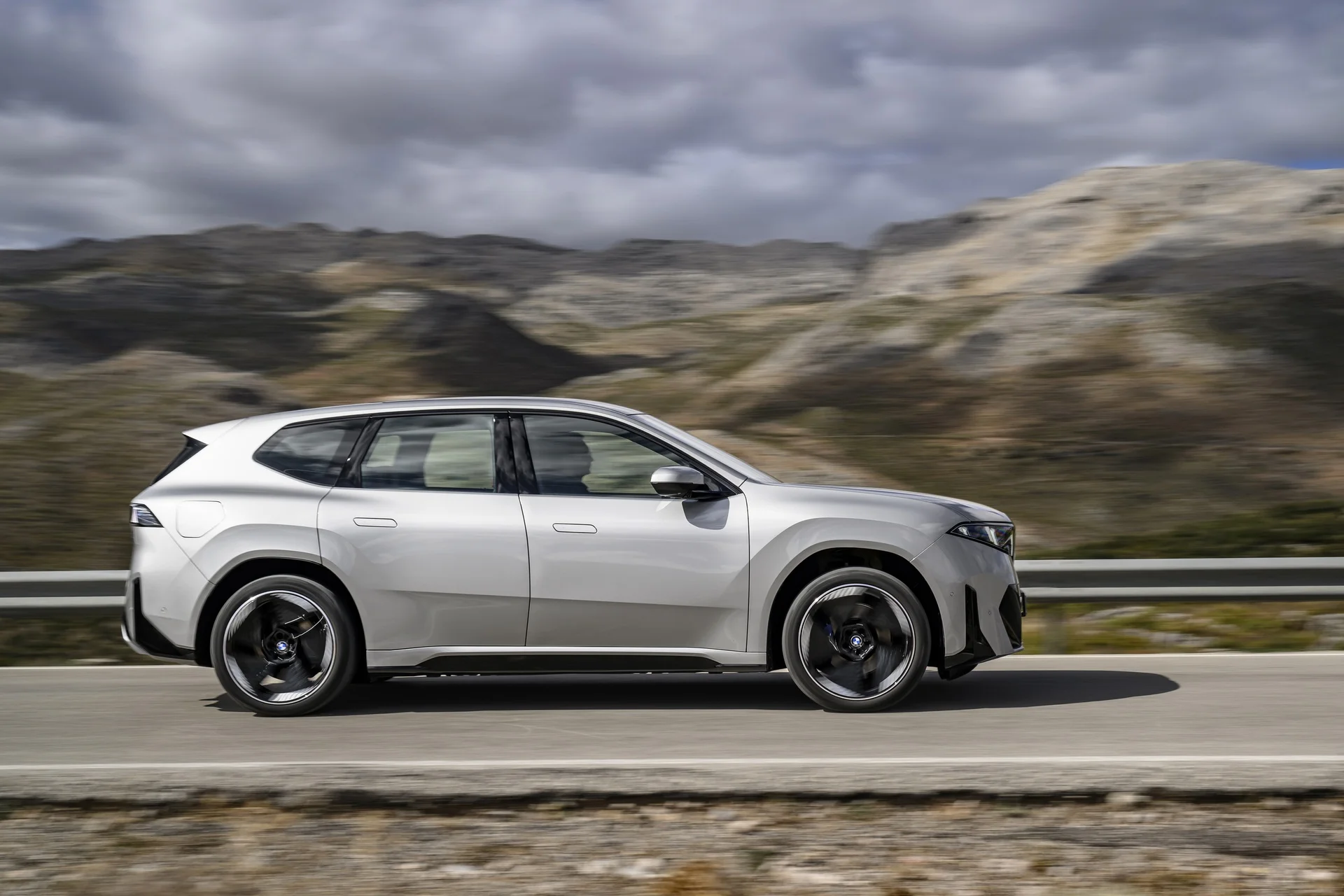
The positive response extends well beyond one review. Overseas road tests have praised the combination of efficiency, charging performance and driving ability, with major awards following. There are reservations too, particularly about ride firmness and the complexity of the digital cabin. Enthusiasm doesn’t mean unanimity.
What interests us is the breadth of the praise. Straight-line acceleration is almost the entry ticket for a modern electric car. Making something this practical rewarding to drive, efficient over distance and easy to live with is a much more substantial achievement.
Those are the claims we want to put to work on Australian roads. We’ll pay particular attention to the ride, the steering and whether the cabin’s clever ideas remain clever when you’re actually using them.
BUYERS HAVE NOT BEEN SHY
BMW Australia had more than 3,000 iX3 orders by October, according to its local chief executive. Across Europe, BMW reported more than 100,000 new iX3 orders within a year, calling it the group’s most successful model launch to date.
Those are orders, not completed deliveries. A separate confirmed Australian delivery total was not available in the sources we checked. Even with that distinction, this is a substantial vote of confidence in a car that is hardly competing at the bargain end of the showroom.
It is also a useful reminder that a premium price still has an audience when buyers believe the product makes a convincing case.
THE NUMBERS HAVE SOME SUBSTANCE
The iX3 50 xDrive combines two motors and all-wheel drive with 345 kilowatts (kW) of power. BMW quotes 0–100km/h in 4.9 seconds. That should take care of merging.
More interesting for a long weekend away is the 108.7 kilowatt-hour (kWh) battery. BMW publishes 678–805km of range under the Worldwide Harmonised Light Vehicles Test Procedure (WLTP), depending on specification. Weather, speed, wheels and load will all influence what you actually get.
Its 800-volt architecture allows a claimed peak direct-current (DC) charging rate of 400kW, with 10–80 per cent quoted at 21 minutes in suitable conditions. The peak is not a sustained charging speed, and the charger and battery conditions matter. But this is serious capability, not a modest update dressed in a new suit.
INSIDE IS WHERE IT GETS PERSONAL
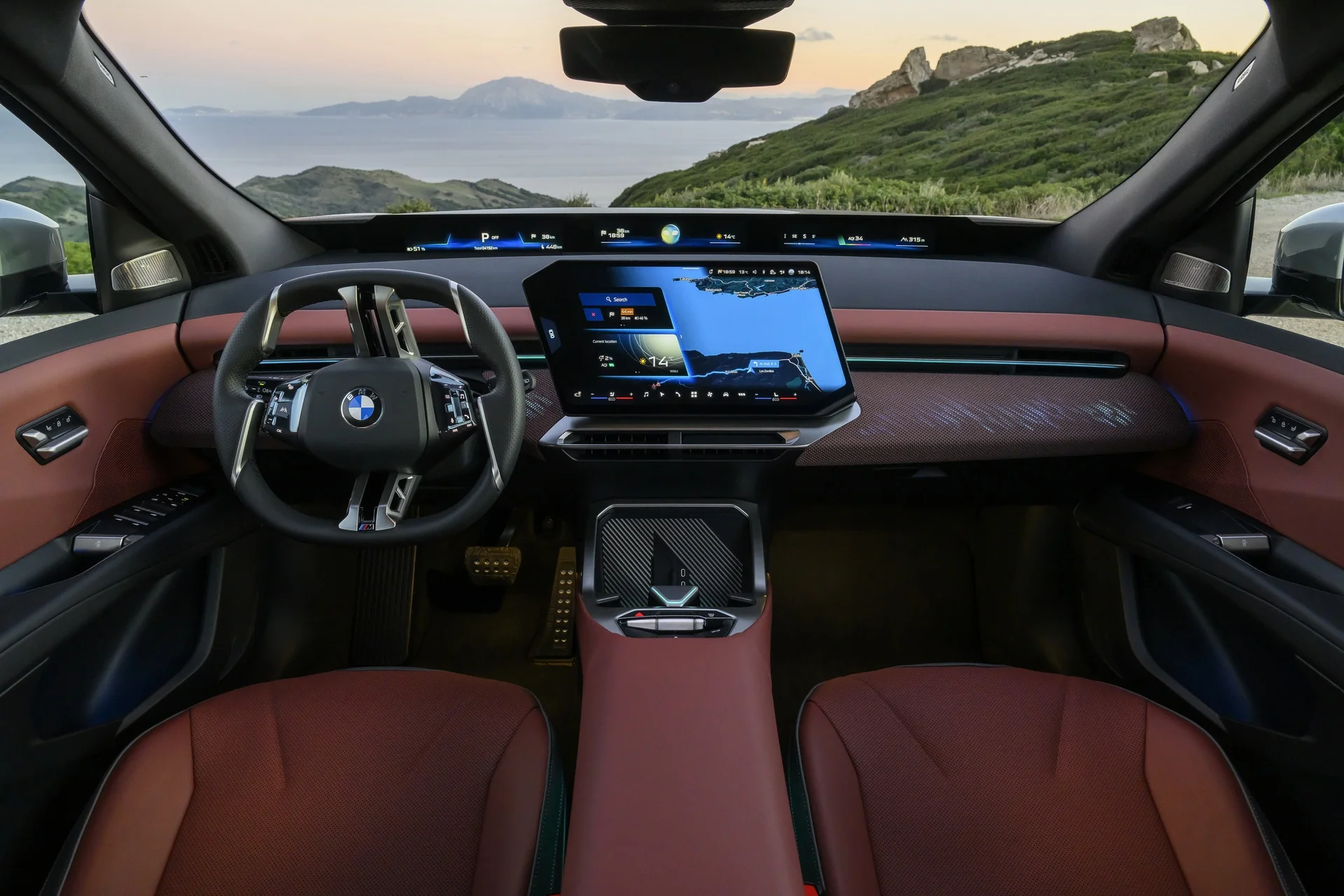
BMW’s Panoramic Vision puts information along the base of the windscreen, while a 17.9-inch central screen handles the main interface. The cabin is a substantial rethink, and an important part of the car’s appeal.
The question is how naturally it all works on the move. Where your eyes go, how quickly you can find an ordinary function, and whether the technology helps without constantly announcing itself.
That is the difference between an impressive showroom demonstration and a car you enjoy owning.
GOOD DOESN’T MEAN CHEAP
The rear-drive iX3 40 starts at a reported $89,900 before on-road costs. The 50 xDrive M Sport is now $112,500 before on-road costs, following a $2,600 increase. Its larger battery and performance figures belong to that more expensive variant.
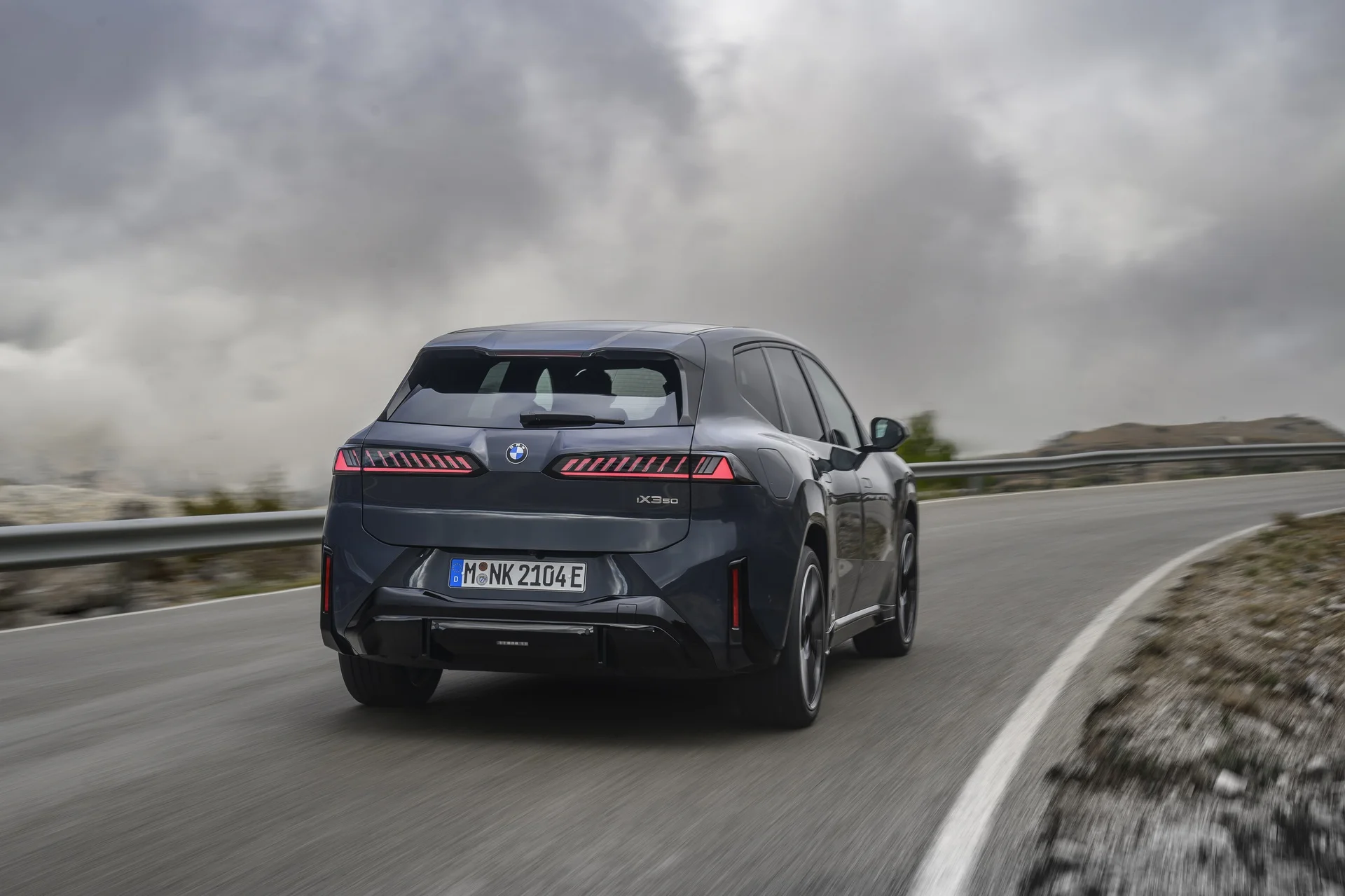
There are cheaper electric family cars. Plenty of them. The question is whether the BMW delivers enough in the way it drives, feels and works to justify the difference.
At this price, the everyday details need to be as convincing as the headline numbers.
For now, credit where it’s due. The reviews have been enthusiastic and the order book is substantial. BMW has given the rest of the field something serious to think about.
A klasse act? There’s certainly enough here to make the competition nervous.
Source note: Australian order figure: BMW Australia chief executive Vikram Pawah, reported by GoAuto on 19 October 2026. European order figure: BMW Group’s 13 October 2026 sales release. These are orders, not deliveries. Review context draws on several publications linked below; this article records a first encounter ahead of our road test. Range and charging figures are BMW claims. Prices exclude on-road costs and options.
Photos: BMW Group, international media launch in Spain. Overseas specifications shown.