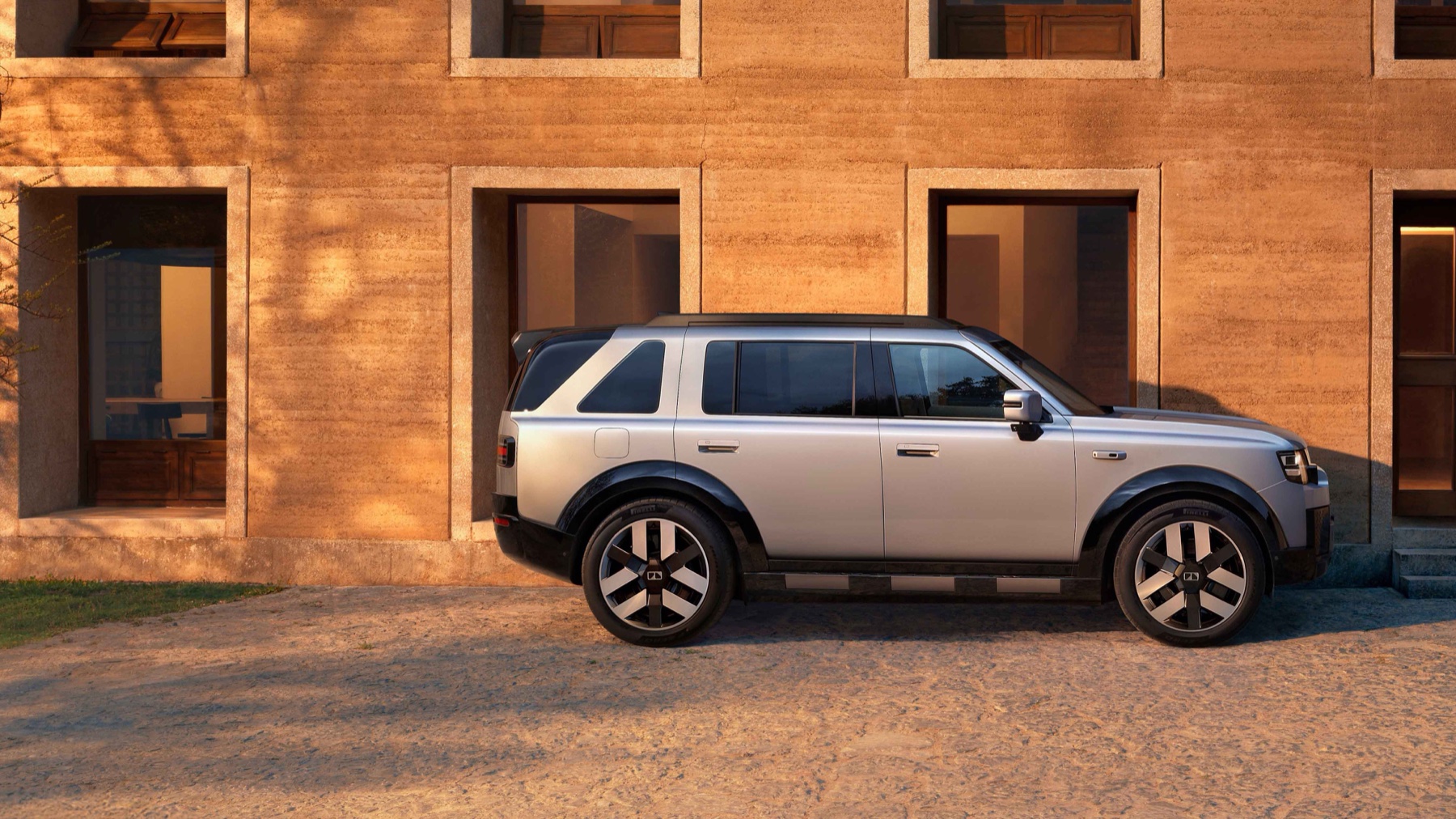
Freelander used to be the name on the back of a Land Rover.
Now it is the name above the showroom door.
The revived brand, jointly developed by Chery and Jaguar Land Rover (JLR), is heading for Australia in 2027. Its opening act is the Freelander 8, a large plug-in sport utility vehicle (SUV) with a familiar name and a very different proposition.
How large?
The export model measures 5.118 metres long and 2.05 metres wide. You might want to measure the garage before getting too attached to the photograph.
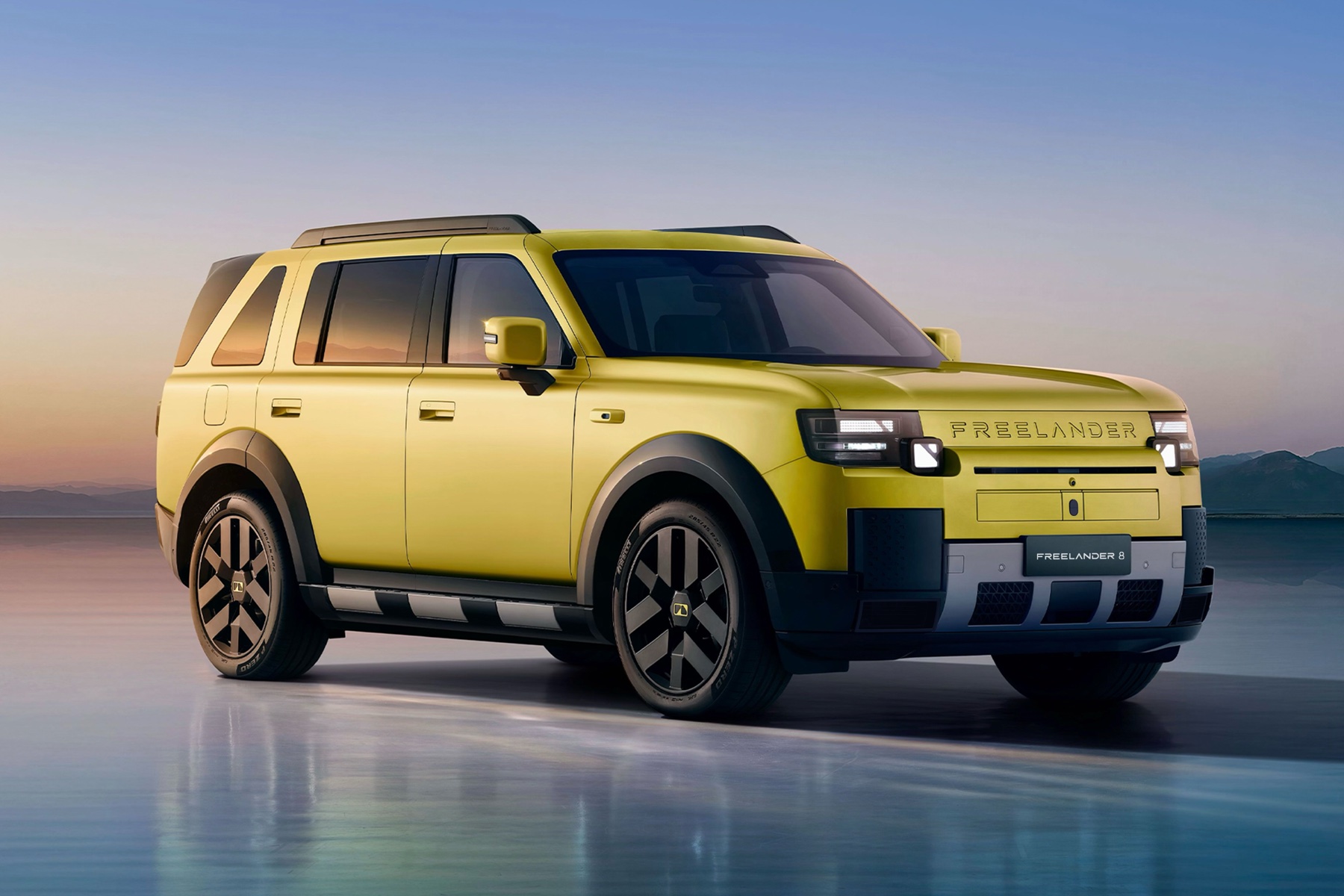
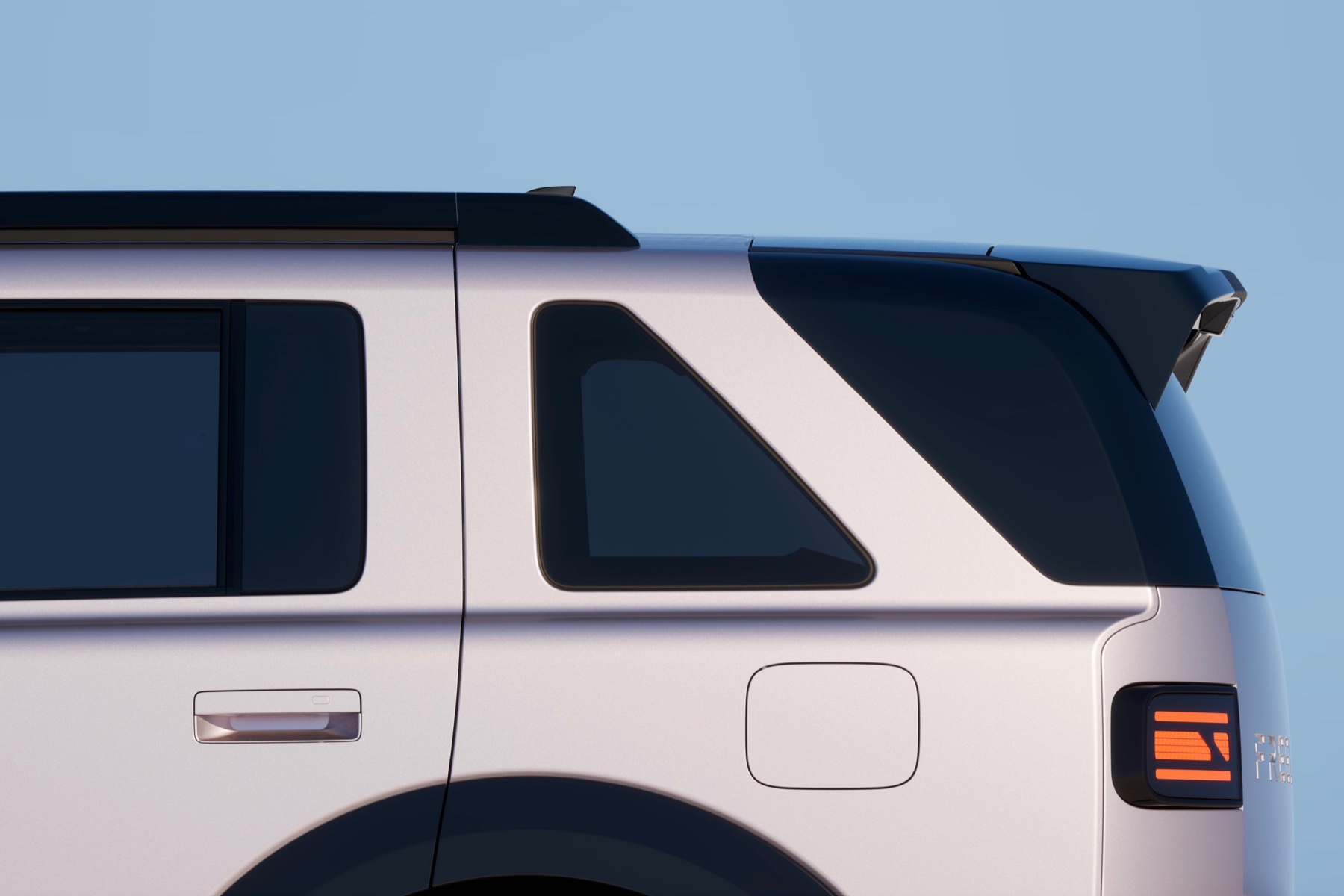
There is plenty to catch the eye. Upright proportions. A high bonnet. Broad, clean sides. A triangular rear side window that gives the silhouette a little character. It looks like a car that expects the parking space to accommodate it.
The family connection is real, but this is a standalone brand. JLR owns the Freelander name and leads design through a dedicated hub. Chery brings its technology and supply chain. It is not simply a new Land Rover model wearing an unexpected badge.
That distinction matters. So does what sits underneath.
Early reports focused on the Chinese-market car’s range-extender system, in which a petrol engine generates electricity. More recent reporting from the international briefing describes a different export plug-in hybrid.
According to 4X4 Australia, that version pairs a 2.0-litre petrol engine with electric motors on both axles, with quoted combined outputs of 460kW and 662Nm. A 34.12kWh battery brings a claimed 110km electric range on the Worldwide harmonised Light vehicles Test Cycle (WLTC).
Those are reported export figures. Australian specifications, pricing and the final local range have not been announced. The Chinese model’s larger battery and longer Chinese-cycle range should not be borrowed to describe the Australian car.
The electric distance is the interesting part.
If the eventual Australian version could cover an ordinary day on a charge, with petrol available for a longer trip, there is a useful family-car argument to examine. But a claim from a briefing is the beginning of that conversation. We would want to see how the car performs here, with passengers, luggage and Australian roads.
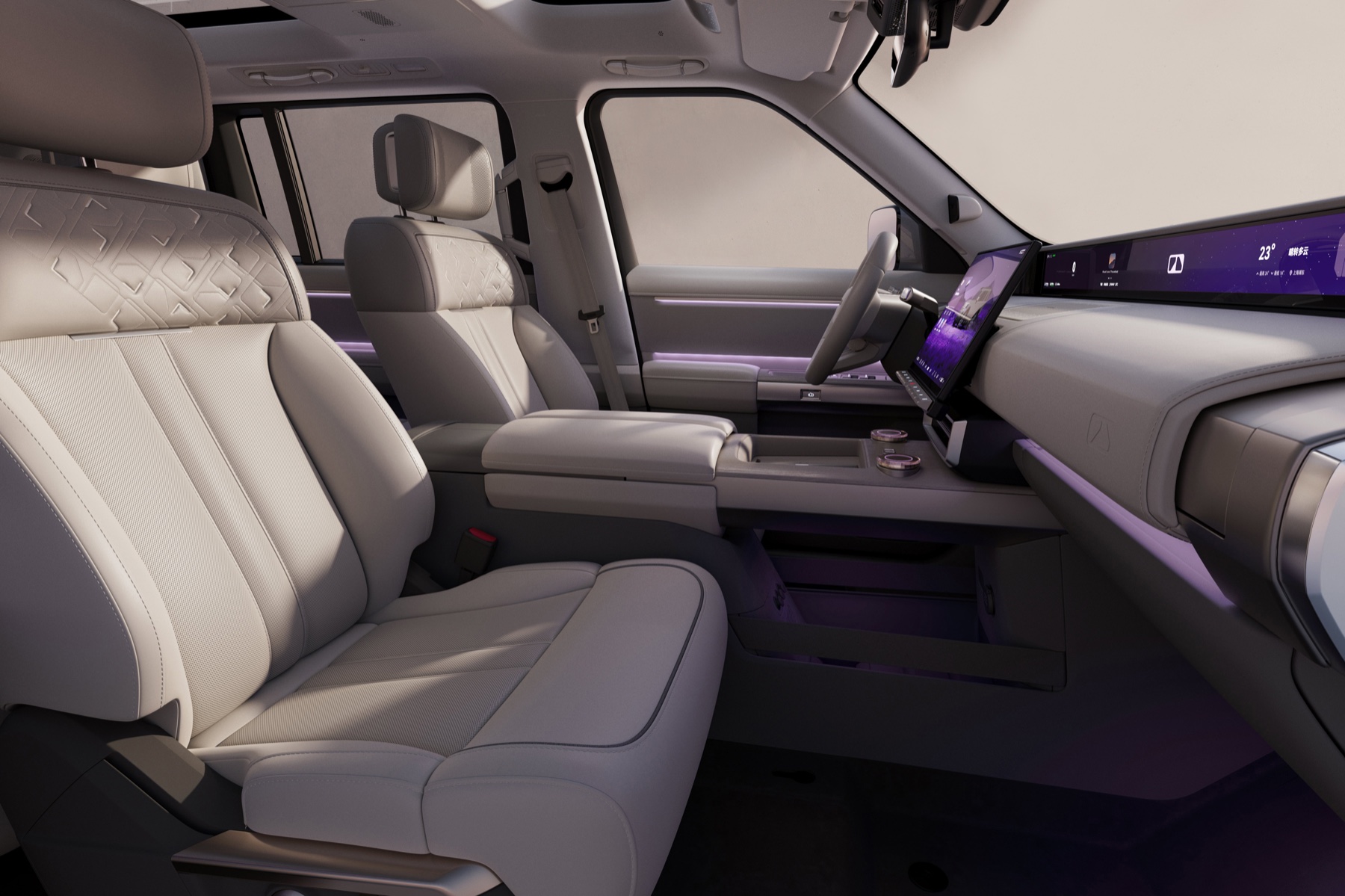
Five- and six-seat versions have been shown internationally. The cabin has ambitions to match the exterior: Freelander describes a 46.3-inch display across the dashboard, alongside a separate centre screen. Frequently used functions retain physical buttons.
That last detail sounds promising. We would rather adjust something than explain ourselves to it.
There is off-road intent too. The reported export specification includes dual-chamber air suspension, an electronically controlled rear limited-slip differential and multiple terrain modes. It gives us a reason to look beyond the lounge-like cabin, without treating a specification sheet as proof of capability.
The Australian ownership proposition will be just as important as the hardware.
What will it cost? Where will it be serviced? How readily will parts arrive? What warranty will stand behind it? And will the local version deliver the comfort, charging performance and useful electric range that make its size worthwhile?
A familiar name may get people through the door. It cannot answer those questions for them.
Our view: this is worth watching because it brings an established name and a new technical partnership into a part of the market where buyers expect more than a long equipment list.
At the right price, with convincing local support, there could be a compelling car here.
For now, Freelander has made a rather large introduction.
We would like to see how it follows through.
Photos: Freelander / Chery Group. Overseas vehicle shown. Reported export specifications and manufacturer claims may differ from the final Australian vehicle.