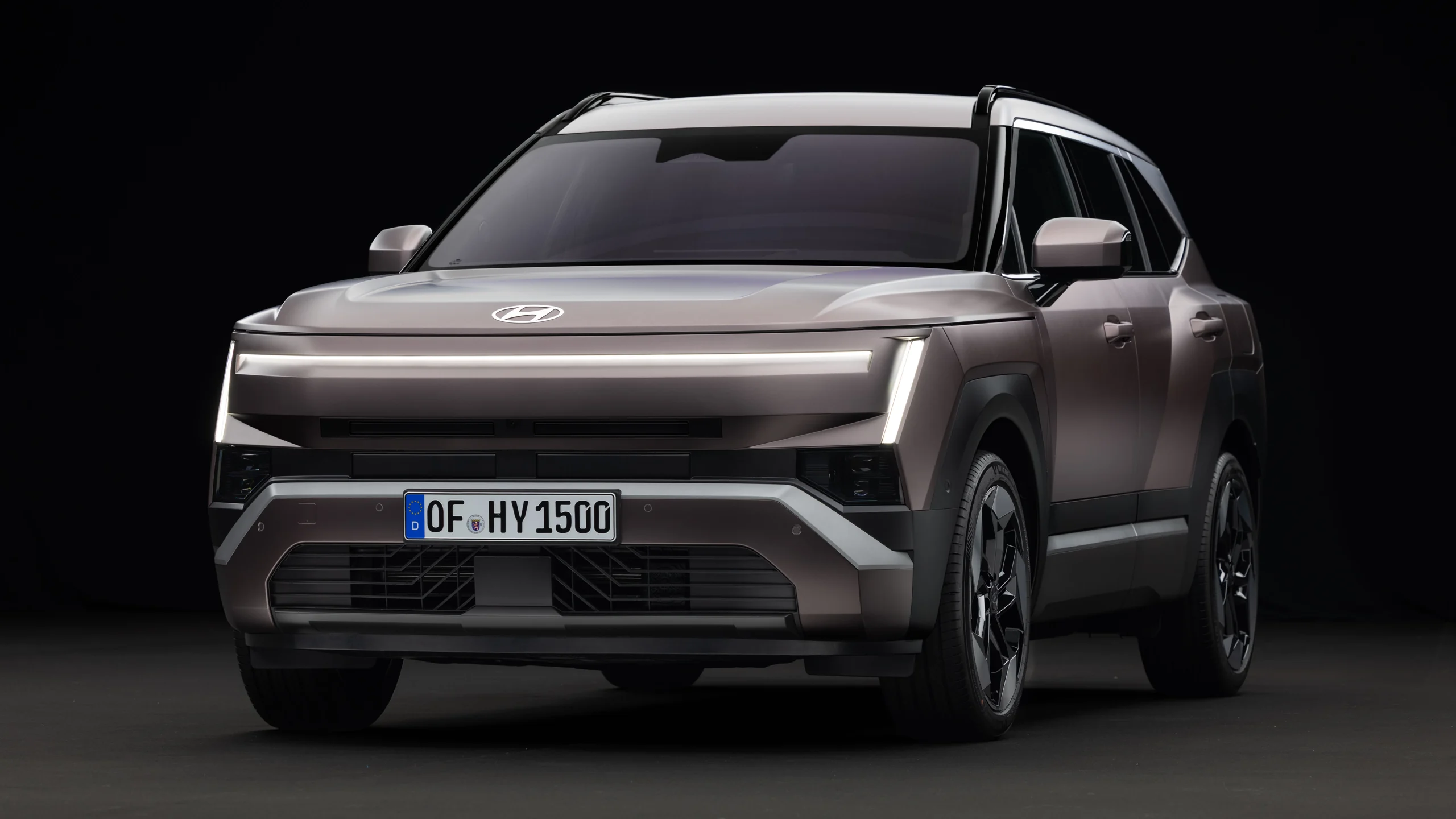
There is a reason the Hyundai Tucson matters more than the average motor-show surprise. Australians already know the name. It is a family SUV that has earned its place on shopping lists without needing a six-figure price tag or doors that perform tricks.
Now Hyundai has revealed a new-generation Tucson in Europe, and the plug-in hybrid is the part that caught our attention.
Its proposed 17.1kWh battery and estimated electric-only range of up to 81km, on 17-inch wheels, could make a meaningful difference to daily driving. Think school runs, work, groceries and the trip back for the thing somebody forgot. Quite a lot of family life could happen before the petrol engine is needed.
That is the promise. Not yet the certified result.
Hyundai says the 81km figure is subject to final homologation, so it must not be treated as a confirmed Australian rating. Wheel size and test conditions matter. We want the final approved figure for the exact version sold here, if it comes here.
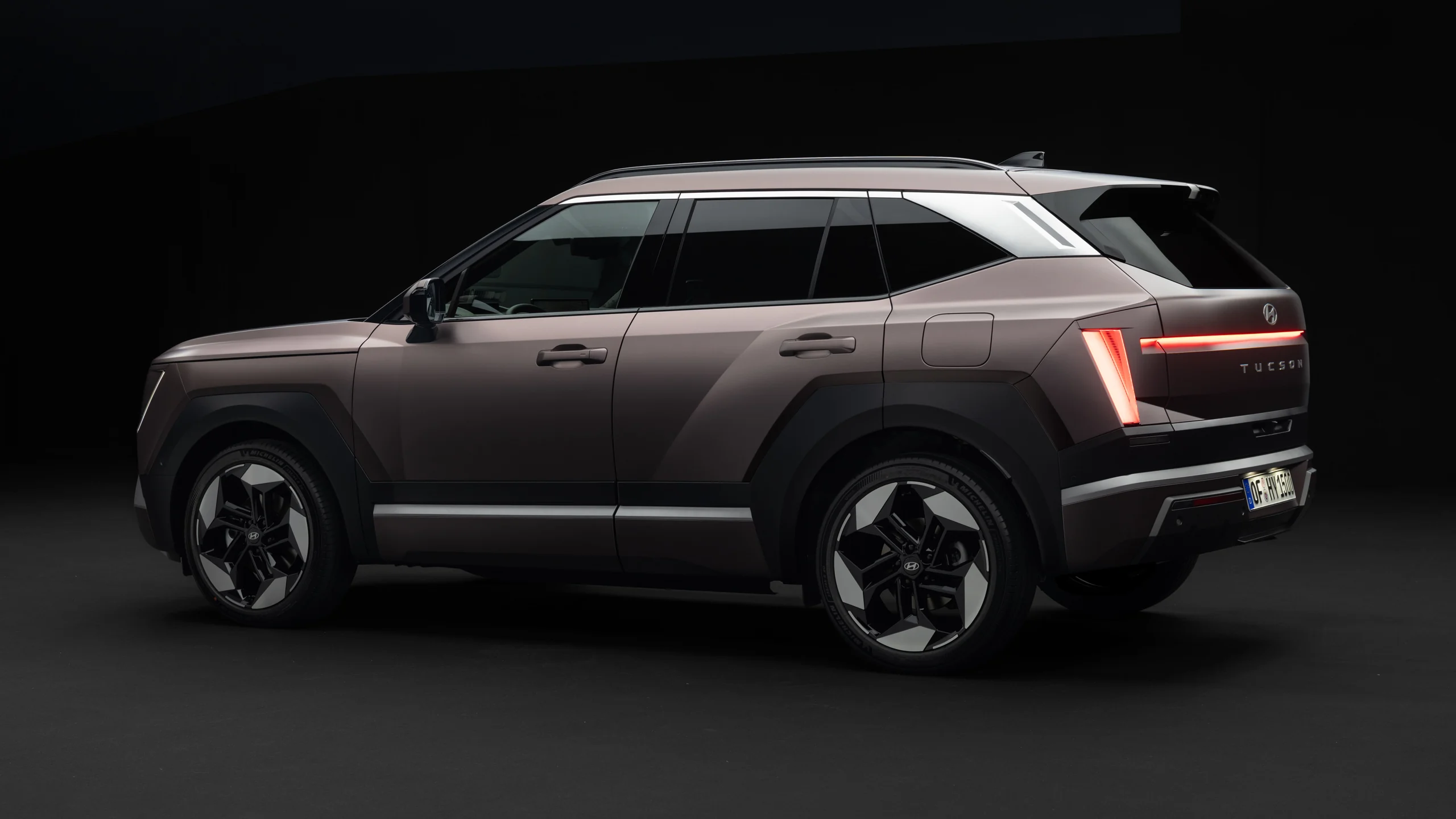
The European specification pairs a 1.6-litre turbo petrol engine with an electric drive system and lists a 7.2kW onboard AC charger. That is useful information, but it does not establish an Australian model, price or arrival date. Hyundai Australia's existing Tucson range should not be confused with this newly revealed overseas PHEV.
And here is why this one is worth watching. A plug-in hybrid makes a much stronger case when the battery is large enough to cover ordinary daily use and the owner can charge it regularly. You get electric running around town and petrol for the longer journeys, without organising family holidays around the next charging stop.
Of course, there is a catch. The plug is not decorative.
Leave the battery uncharged and a PHEV can become a rather elaborate way of carrying extra weight to the supermarket. We want to know its fuel consumption after the battery is depleted, how much luggage space survives the electrification, and whether the local price makes the proposition worthwhile.
Hyundai has also retained physical controls for key cabin functions. In an age when adjusting the air conditioning can feel like applying for a software licence, that is a small but welcome piece of common sense. We will reserve a final verdict until we can use them.
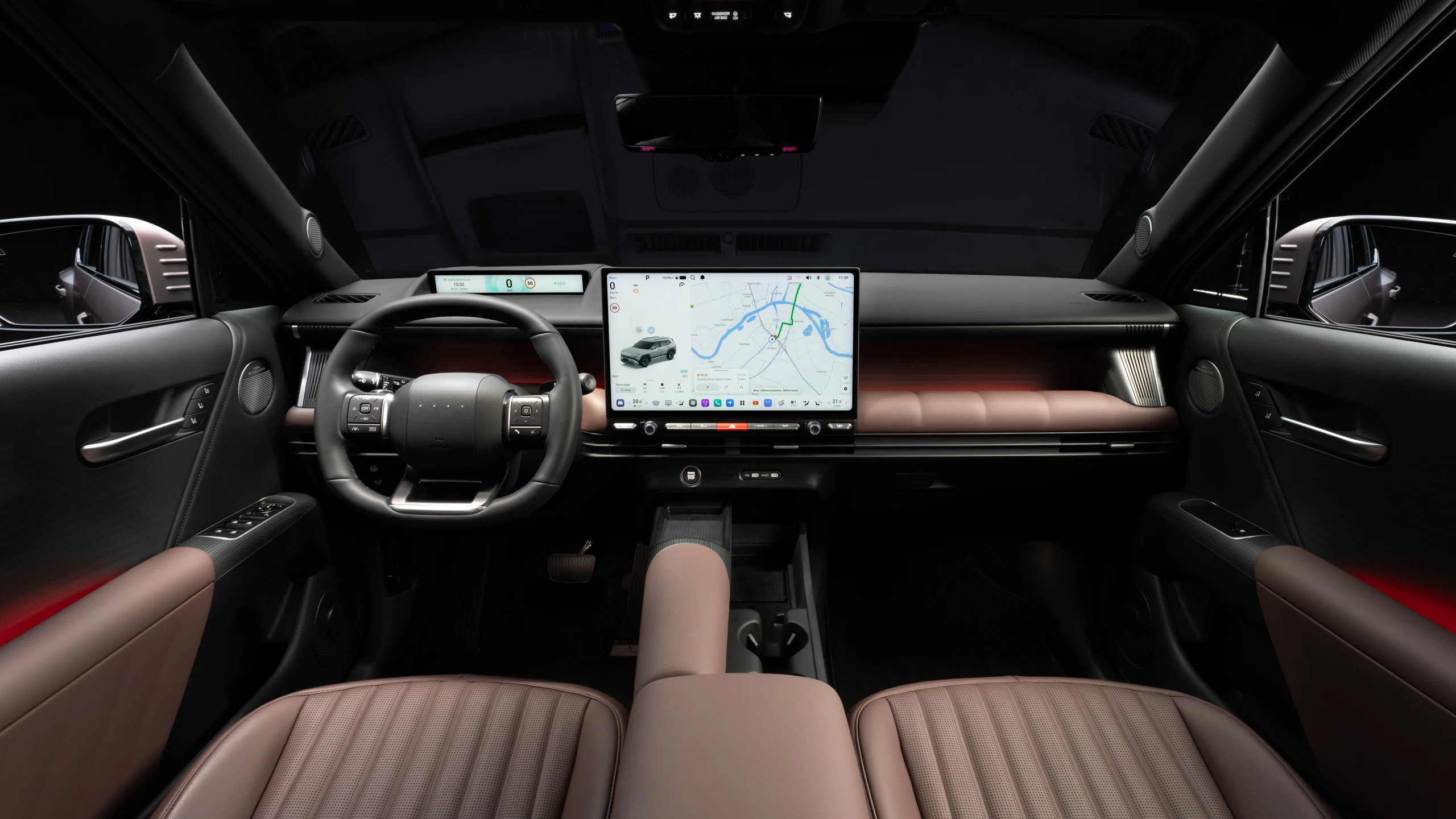
The new Tucson looks ambitious, and the plug-in version has the makings of a genuinely useful family car. But an overseas reveal is not an Australian showroom.
Give us the certified electric range, the local specification and a sensible price. Then this could be more than another good-looking Tucson.
It could be the Tucson that persuades Australian families to plug in.