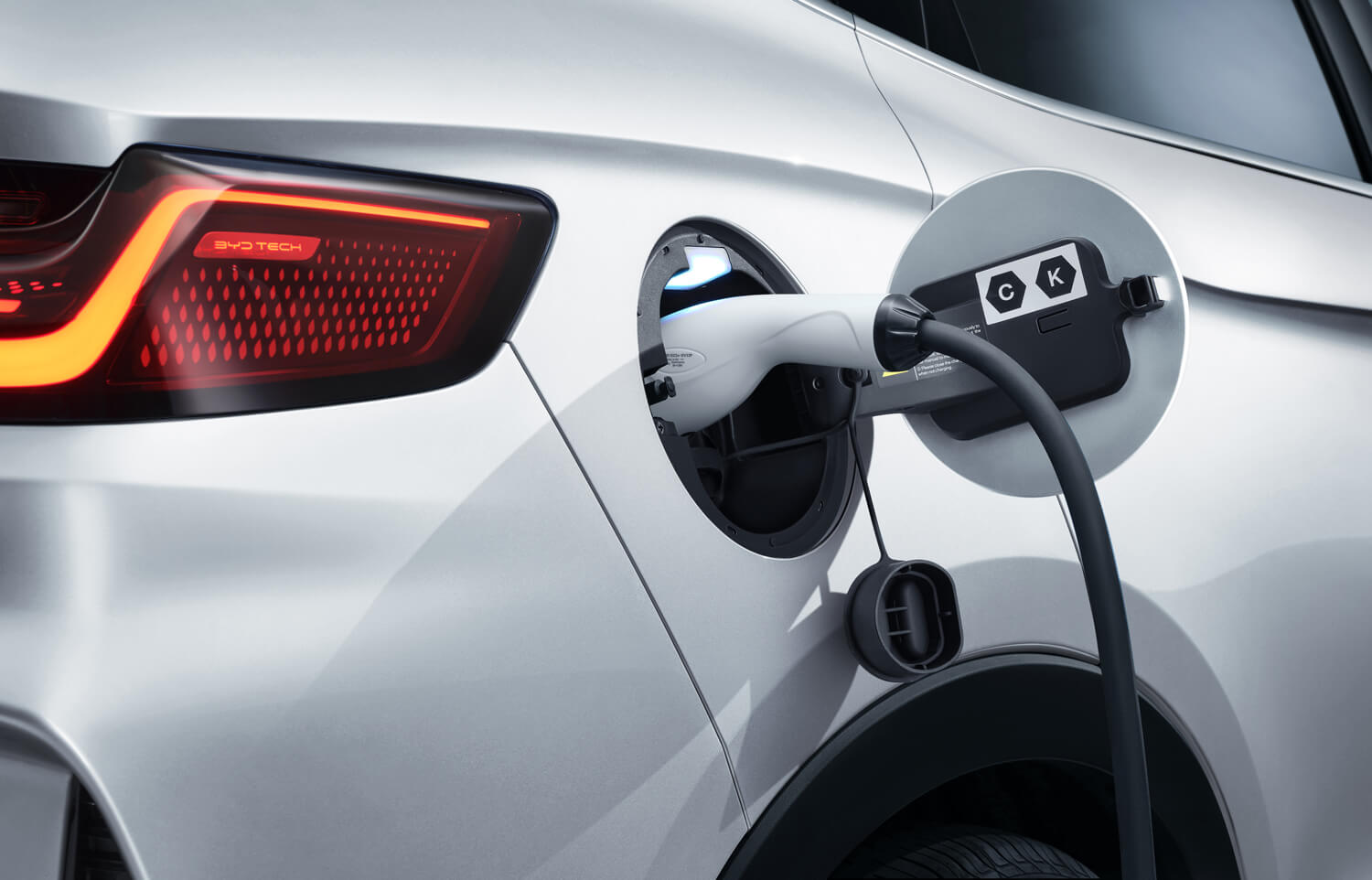
There is a surprisingly emotional argument hiding inside a charging cable.
Buy a battery EV and somebody will ask how you get to the middle of nowhere. Buy a plug-in hybrid and somebody else will ask why you haven’t committed.
Perhaps we could start with the journeys you actually make.
First, the distinction. A conventional hybrid cannot be plugged in. A plug-in hybrid, or PHEV, has a rechargeable battery and electric motor as well as a combustion engine and fuel tank. A battery EV runs on electricity alone.
Before we get lost in the charging argument, there is a more immediate question. What can you afford to buy?
A lower purchase price can be one of the strongest reasons to choose a PHEV over a comparable battery EV. If the cars that meet your needs leave a meaningful gap in the drive-away quotes, that is real money. Fuel savings later do not pay today's deposit.
Why can a PHEV cost less? Its battery usually stores much less energy than the pack in a battery EV of similar size. The petrol engine supplies the long-distance backup, so the car does not need enough battery for every kilometre of a long trip. Less battery capacity can reduce battery-pack cost.
That is the engineering logic, not a universal price rule. A PHEV also needs an engine, fuel system and associated hardware. Battery chemistry, manufacturing scale, equipment, margins and competition all influence the showroom price. Some PHEVs cost more than comparable battery EVs.
The IEA's affordability research makes that market variation clear. Smaller batteries do not guarantee a cheaper car. Compare vehicles that do the same job, at similar equipment levels, using current drive-away quotes rather than a PHEV starting price against a high-spec EV.
Then ask whether the up-front saving survives the ownership calculation. Include realistic electricity and petrol use, servicing, insurance and resale uncertainty. A cheaper purchase can be the deciding advantage, but it is one part of the bill.
The case for a PHEV is strongest when you can charge regularly, most ordinary trips fit comfortably within its usable electric range, and your longer journeys genuinely make an all-electric car difficult to live with. Australian Government guidance also suggests considering a hybrid or PHEV for very remote use.
Picture a weekday commute, shopping and school runs, with charging where you park. Then an occasional regional trip where petrol backup is useful. That is a buying brief worth taking seriously.
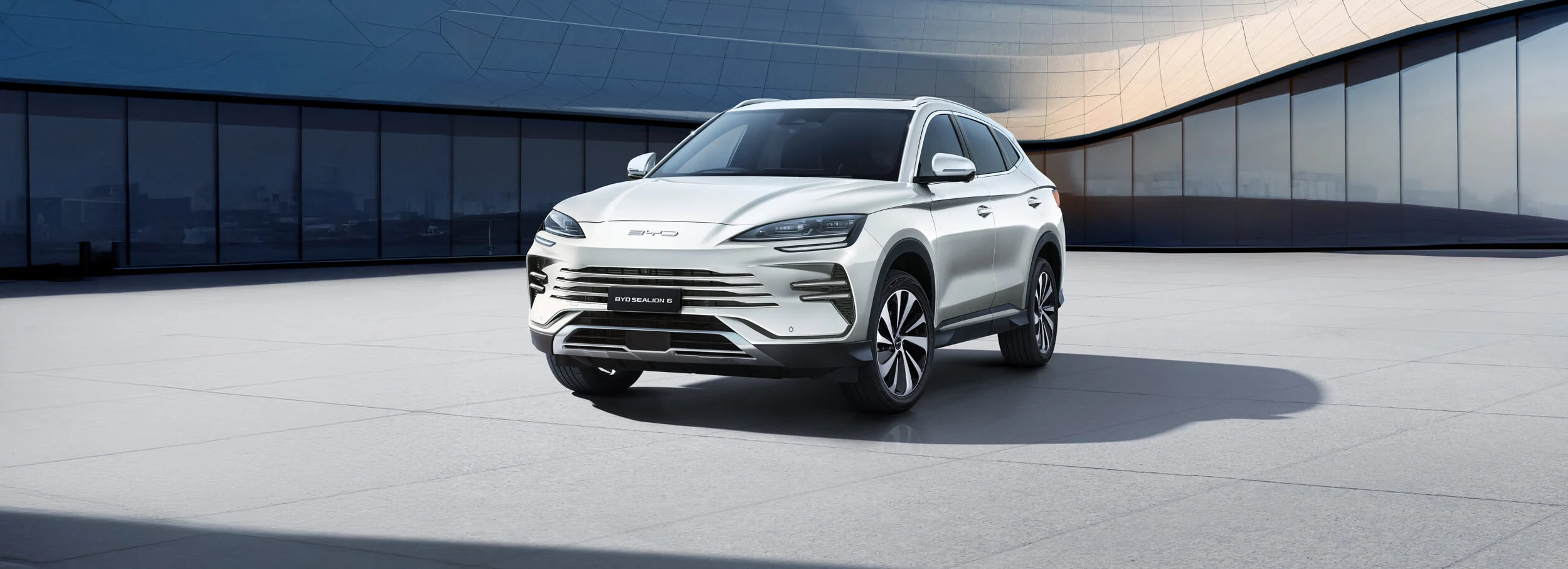
Now picture buying the same car and rarely plugging it in.
The Government’s advice is straightforward: regular charging and electric driving are needed to maximise a PHEV’s savings and emissions benefits. The engine still produces tailpipe emissions when it runs. The badge alone does not do the work.
Our view: if charging sounds like a chore you will consistently avoid, stop and reconsider the shortlist. Ask what you are paying for, and how much of it you will use.
A PHEV is not automatically the best answer to having no home charger. Start by checking realistic charging access, then compare it with a conventional hybrid and a battery EV. An inconvenient plug does not become convenient because there is also a fuel flap.
Nor should the decision be made around one holiday. Write down an ordinary fortnight of driving, then the longer trips you actually repeat. Would a charging stop on those trips be acceptable? Is the route served well enough? Would another vehicle suit the unusual job?
Make the dealer show you the relevant numbers for the exact variant: electric range, fuel consumption once the initial charge is used, charging time, servicing requirements and warranty terms. Ask what happens to electric operation with a heavy right foot, heating or a low battery.
Then compare the whole ownership proposition: purchase price, insurance, energy, servicing, space and the experience of driving it. We are not naming a universal cost winner here. Your usage and the particular cars matter too much.
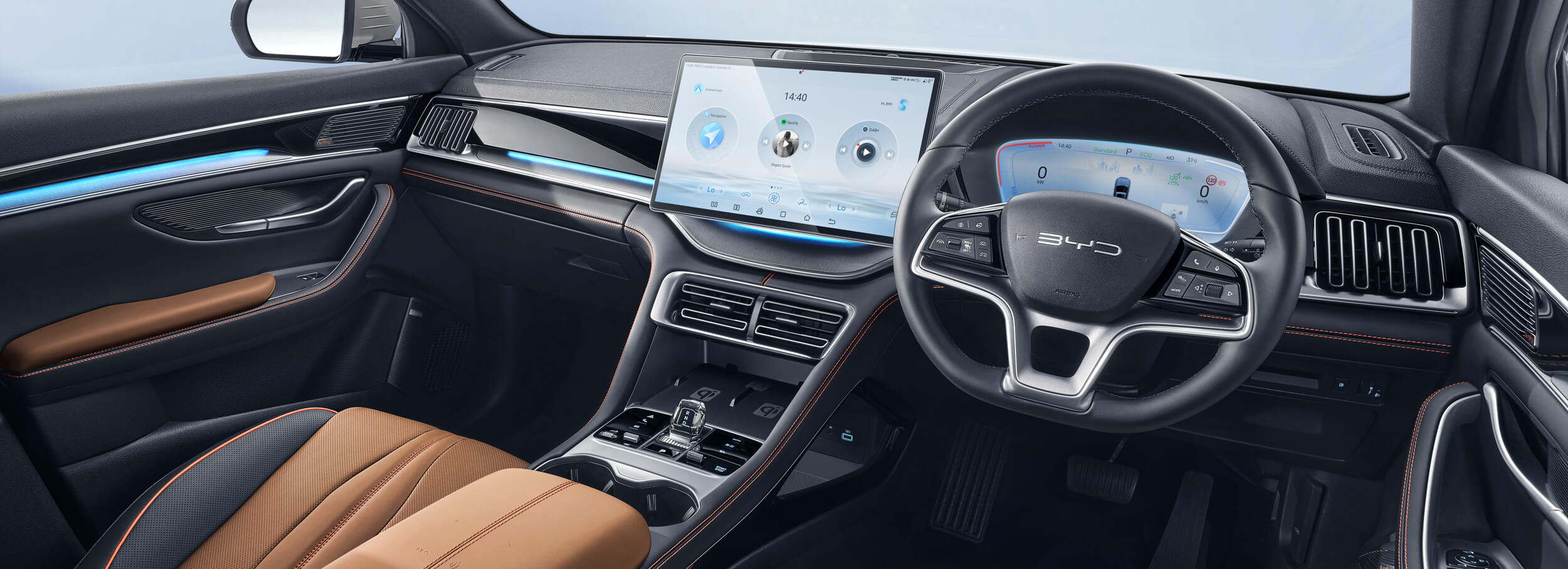
So, cop-out or clever choice?
A PHEV can be a sensible tool for a particular life. A battery EV can be the more convincing answer when its charging and travel demands already fit. Neither needs a moral victory.
Choose the car for the life you lead. Then use the plug if you have bought one.