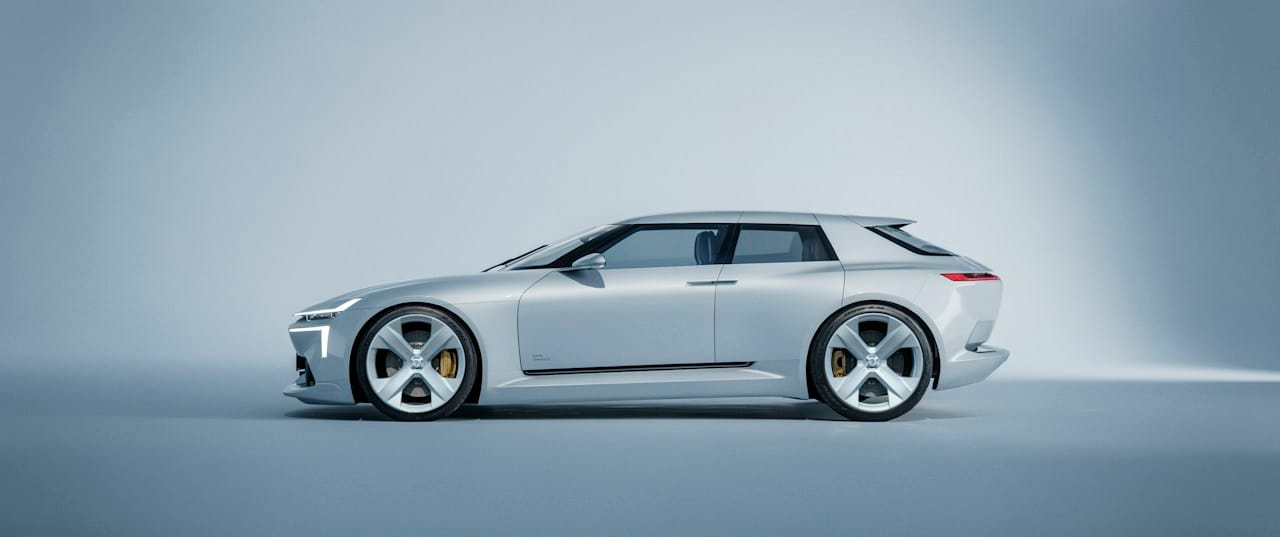
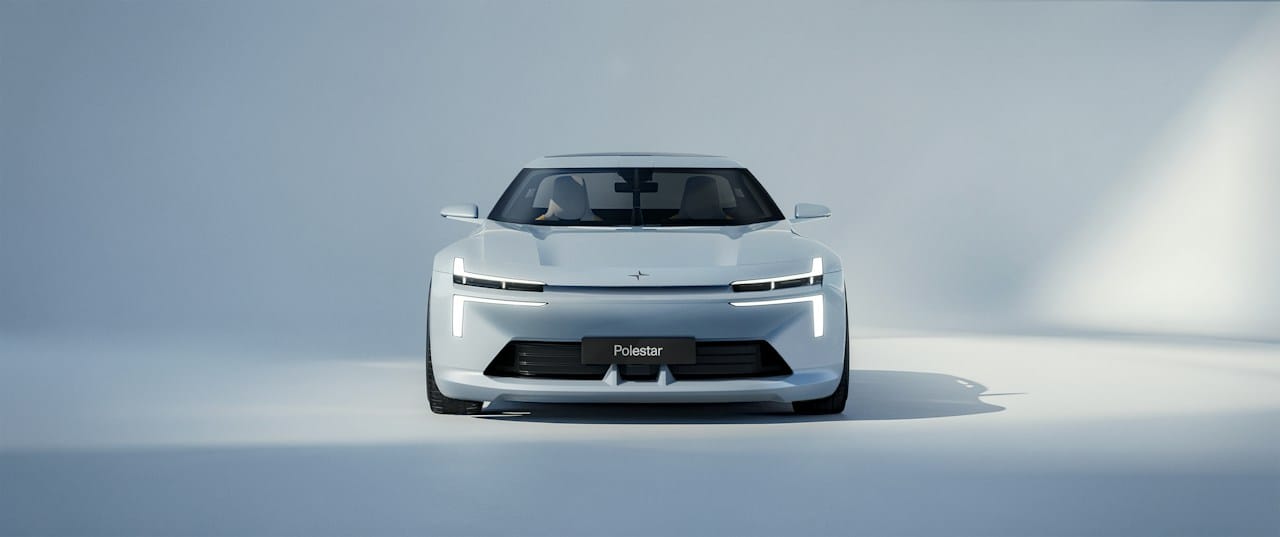
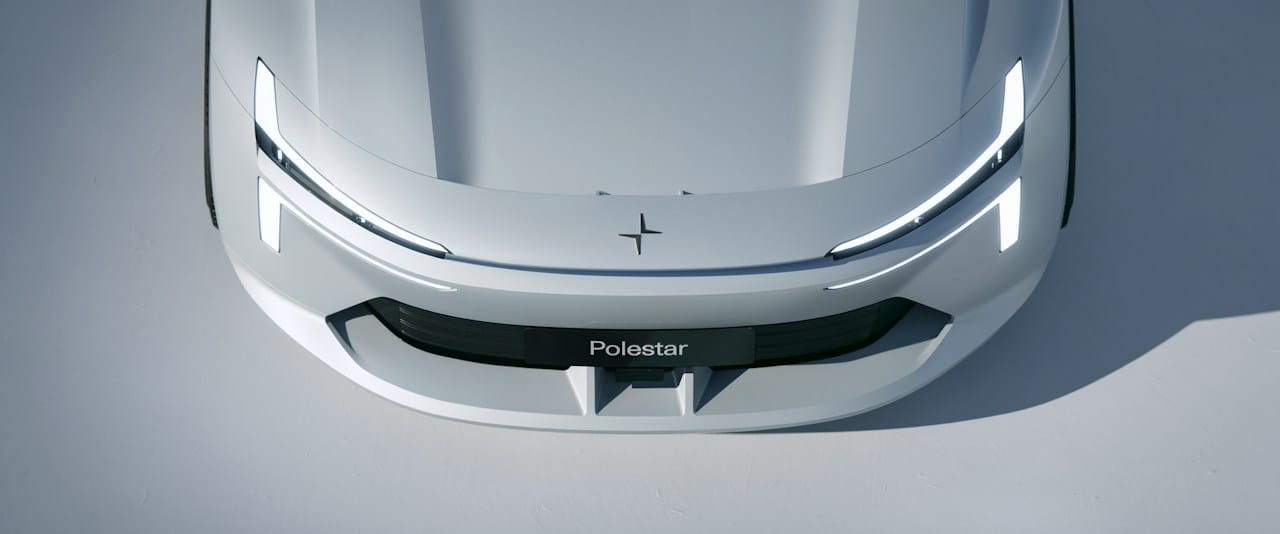
Polestar has shown us the face of its next 2 and the tail of its upcoming 7. The car it used to show them off is the one that has me looking twice.
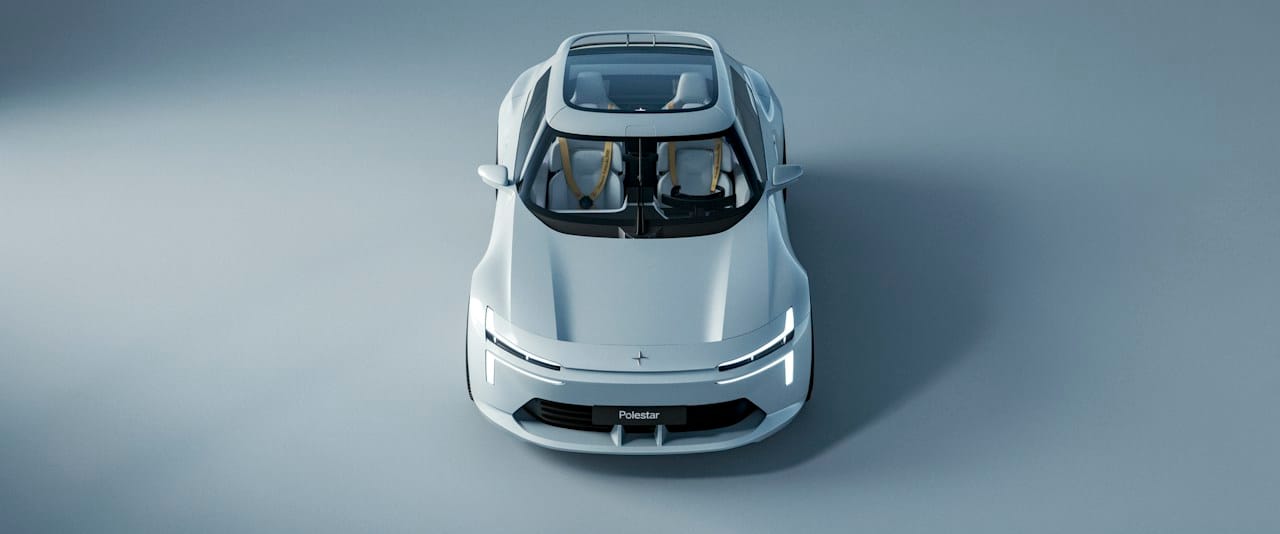
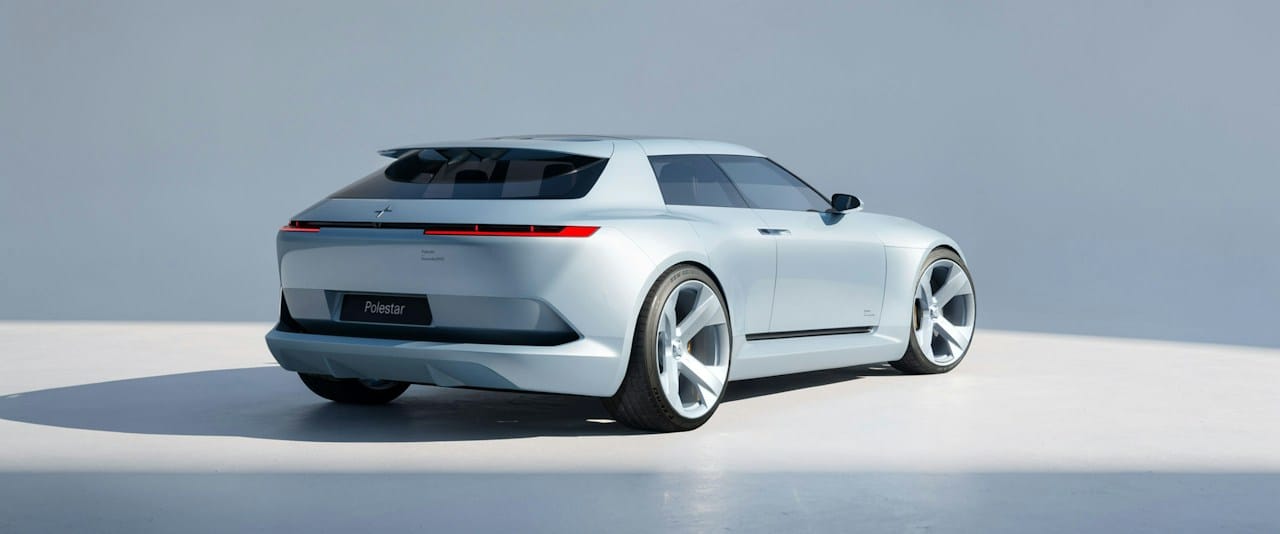
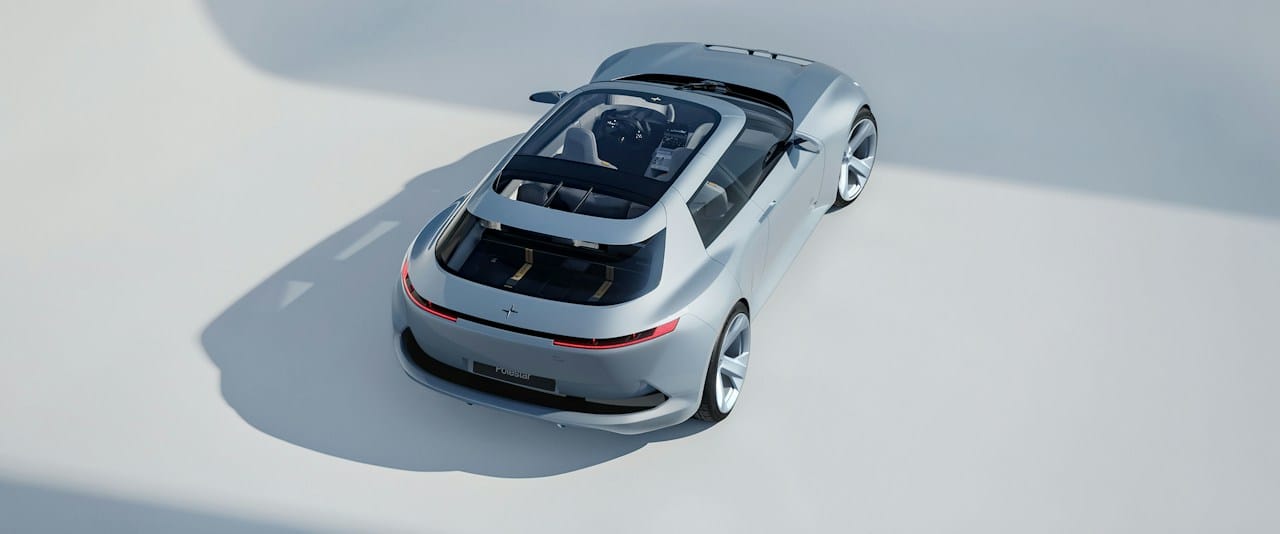
The Formula 2030 is low, wide and has the sort of doors you’d want to open at least once in an empty car park, just to see how they work. Top Gear calls it a giant hot hatch. That sounds about right. It has the shape of something you could use every day and the stance of something you’d take the long way home in.
There’s a hint of Audi TT in the low roof and broad shoulders. At 1,350 mm, the Polestar is almost exactly the same height as the final TT Coupé. It’s also nearly half a metre longer and has four doors. What made the TT such a good idea was that you could drive it every day and still feel you’d bought something special. I’d like to see Polestar have a go at that.
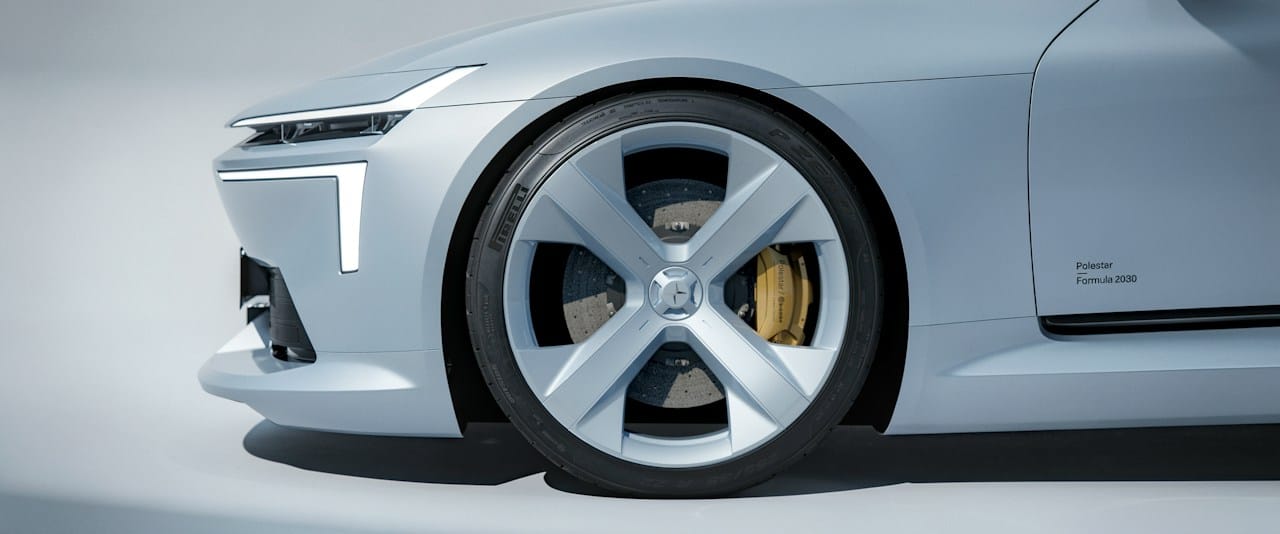
For now, it’s a concept. Polestar hasn’t announced plans to build it.
WHAT WILL MAKE IT TO THE ROAD?
Polestar design chief Philipp Römers says the front previews the next Polestar 2, due in 2027. The rear gives us a look at the upcoming Polestar 7 compact crossover, including its single-blade tail light. The low profile and pronounced rear haunches draw on the 5, while the roofline takes its cues from the 4.
That’s a lot of family resemblance for one car. The interesting bit is what happens when those ideas come together. There’s a squat, purposeful shape here that stands apart from the taller crossovers filling electric-car showrooms.
YES, THOSE ARE BUTTONS
Inside, Polestar has brought back physical controls. The concept lets drivers rearrange them, and its curved instrument display puts information directly ahead. Whether the customisable switches make it to production is still an open question.
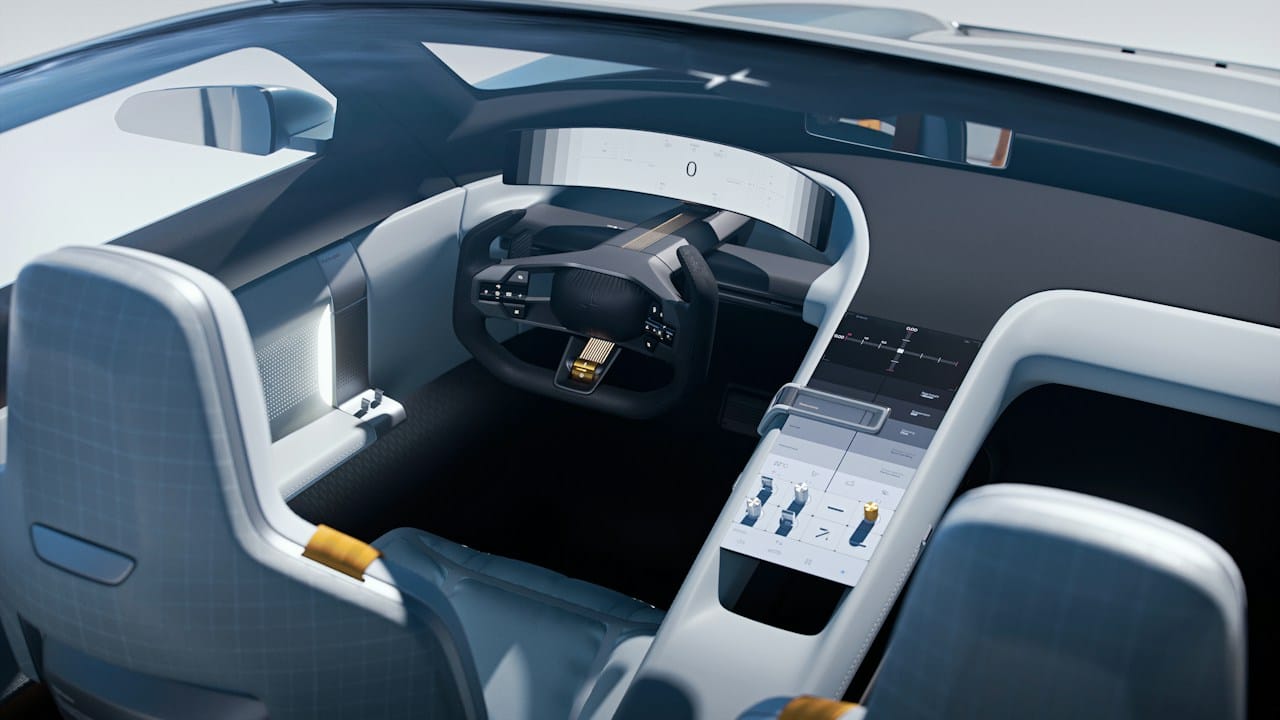
A button you can find by feel is a small thing. It’s also one of those details that makes a car easier to live with every single day. I’d happily see that idea make it through, even if the doors don’t.
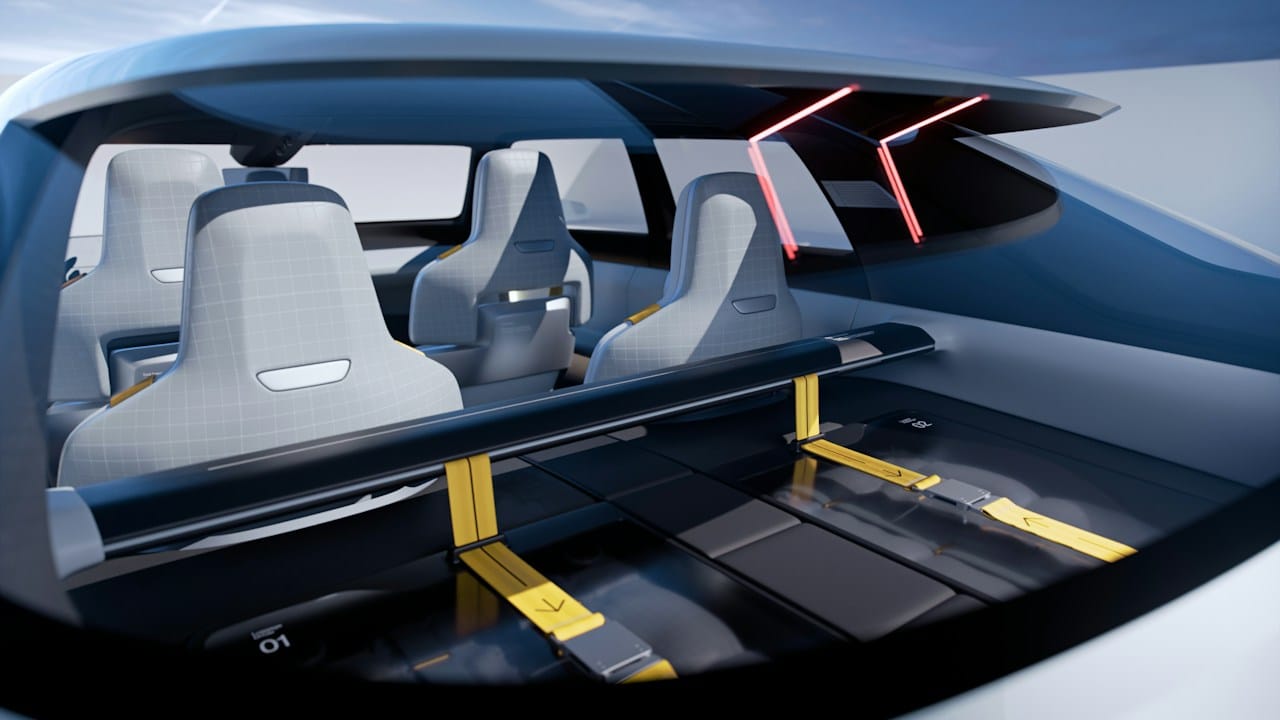
THE ONE WE’D LIKE TO SEE
Polestar says it wants to move into more compact segments and make its performance cars more accessible. The next 2 will give us a better idea of what that means. For Australian buyers, the questions are familiar: what will it cost, how far will it go, and will it be as good to drive as it looks?
In the meantime, there’s an appealing idea sitting right in front of us. A distinctive electric hatch with room for real life and a reason to look back after you’ve parked it.
I like the view from an SUV. I’d give it up for a car that made me want to drive a little further.