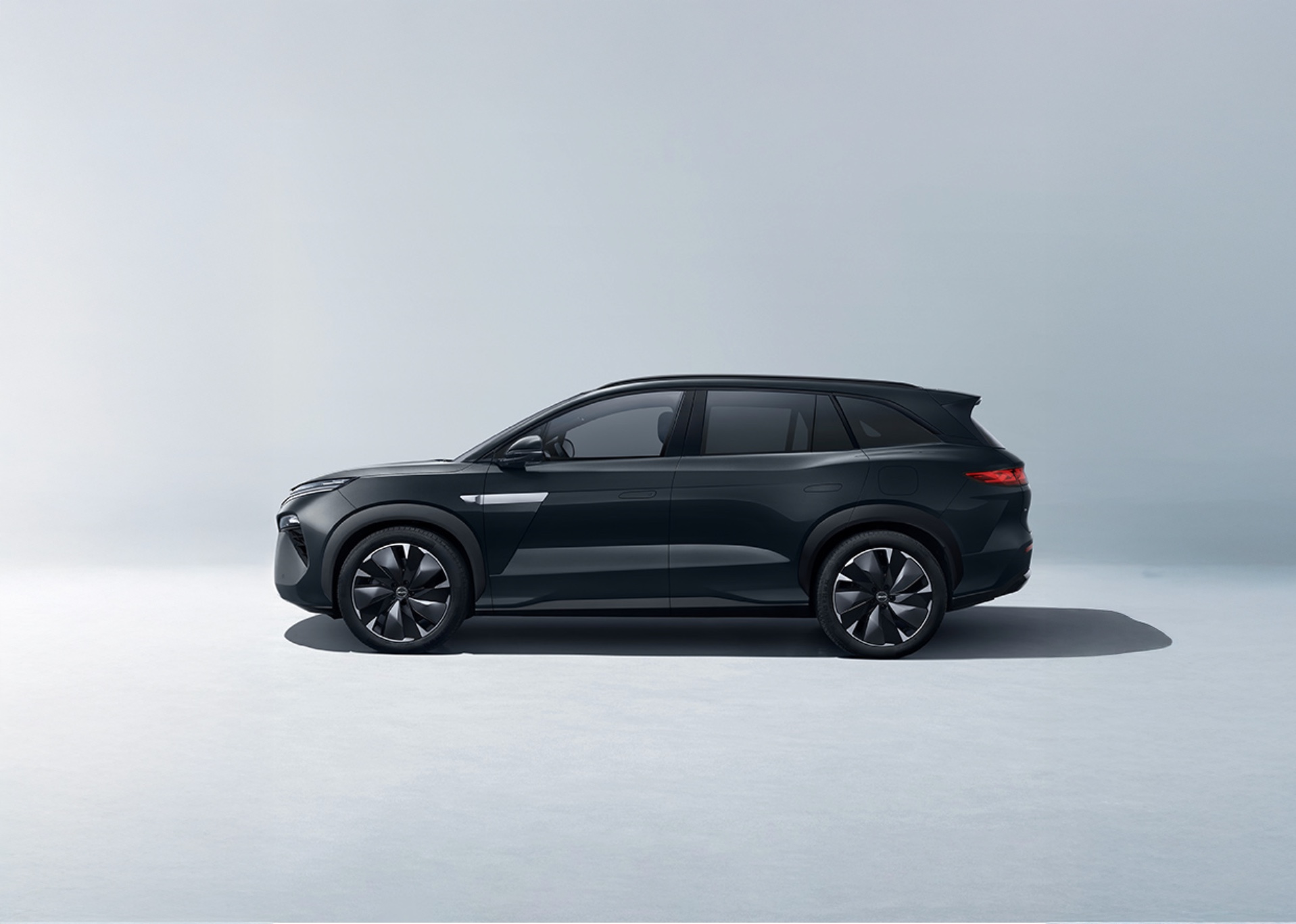
A handsome family SUV is one thing. A handsome family SUV that starts at $56,990 before on-road costs is worth a longer look.
The BYD Sealion 8 has the proportions, the seven seats and the substantial cabin that get it into the conversation. The price is what could keep it there. This is a plug-in hybrid electric vehicle (PHEV): charge it for ordinary local running, with a petrol engine available for journeys beyond the battery.
That combination will appeal to families who can charge at home but are still reluctant to make their only car fully electric. Whether it is right for you depends less on the badge than on your parking, your daily distance and how often all seven seats are occupied.
A family SUV you might choose for its looks.
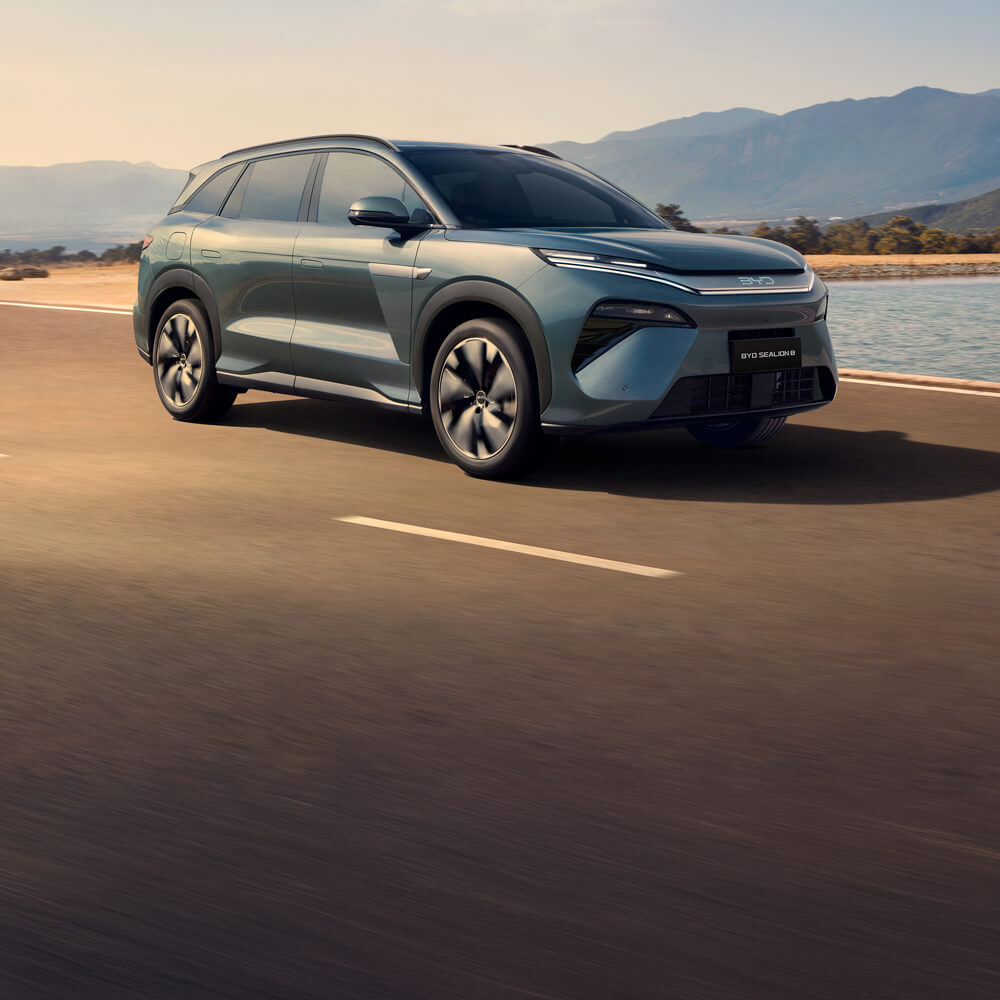
To our eyes, the Sealion 8 is one of BYD’s more resolved designs. The slim lighting, long roof and restrained surfacing give it presence without the heavy-handed aggression that seems compulsory on some large SUVs. In the darker colours, it looks particularly convincing.
The useful question is whether that showroom appeal survives a family weekend. Bring the people who will use the back seats, and the things you need to carry. A photograph can sell the shape. It cannot tell you whether your child seat, pram and teenager will all coexist happily.
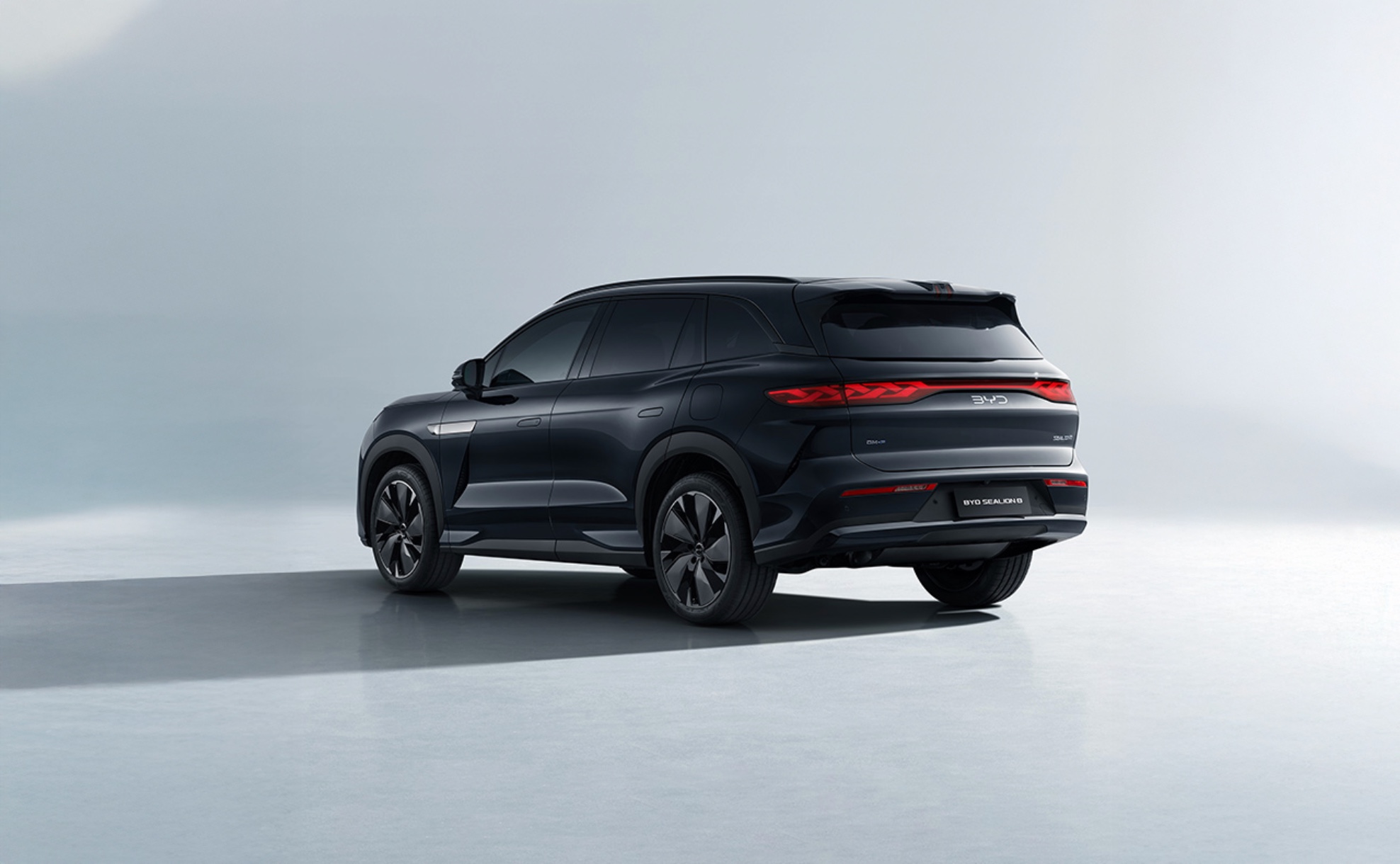
The price is part of the attraction.
BYD’s Australian configurator lists three grades, in tidy $7,000 steps. Dynamic FWD starts at $56,990, Dynamic AWD at $63,990 and Premium AWD at $70,990. Those are list prices, not drive-away totals. Registration, other on-road costs, paint and accessories can change the bill.
| Grade | List price | Battery | Claimed electric range |
|---|---|---|---|
| Dynamic FWD | $56,990 | 19 kWh | 103 km NEDC |
| Dynamic AWD | $63,990 | 35.6 kWh | 152 km NEDC |
| Premium AWD | $70,990 | 35.6 kWh | 152 km NEDC |
The entry model buys the seven-seat format without forcing you into the top grade. That matters: a family shopping for space should not have to buy the fastest version simply to get the extra row.
Dynamic AWD adds more than another driven axle. Its battery grows from 19 to 35.6 kilowatt-hours (kWh), while claimed electric range rises from 103 to 152 kilometres under the New European Driving Cycle (NEDC). These are laboratory figures, not promised commuting distances, and should not be compared directly with Worldwide Harmonised Light Vehicles Test Procedure (WLTP) figures used by many rivals.
The AWD versions also have a claimed 359 kilowatts (kW) of combined power and 0–100 km/h in 4.9 seconds, against 205 kW and 8.6 seconds for the front-wheel-drive model. Plenty of family SUVs sell you reassurance. This one also sells you a rather brisk school run.
For us, Dynamic AWD is the version to investigate first if the budget reaches it. The larger battery could make more of your ordinary week electric. The performance is the extra, rather than the reason a family needs to spend more.
Premium AWD keeps that battery and powertrain, then adds the indulgences: an upgraded sound system and massage functions among them. Lovely things to have, but they will not extend your electric driving. Decide whether the comfort equipment is worth the next $7,000 to your household.
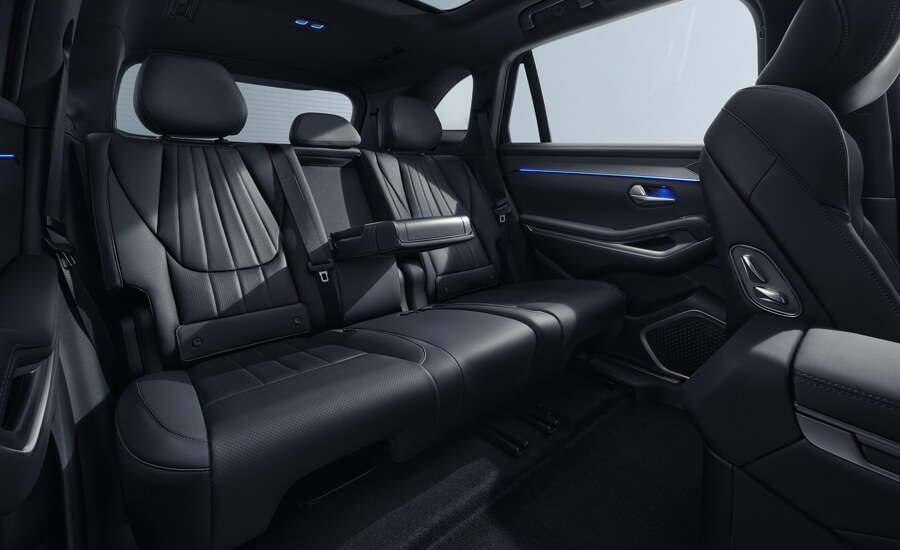
Seven seats. Bring your seven-seat questions.
Seven seats are useful only when the last two suit the people who need them. Check the step into row three, where knees go when row two is occupied, and what happens to access once child restraints are fitted.
Then put your normal luggage in the remaining boot. BYD advertises a maximum 1,960 litres, but maximum cargo figures describe a different seating arrangement from carrying seven people. Do not let a big seats-folded number answer the wrong family question.
Three-zone climate control and vents serving all three rows are welcome on paper. They are worth checking from the back seat during the test drive, too. The person in the final row deserves more than whatever air eventually wanders past the front passengers.
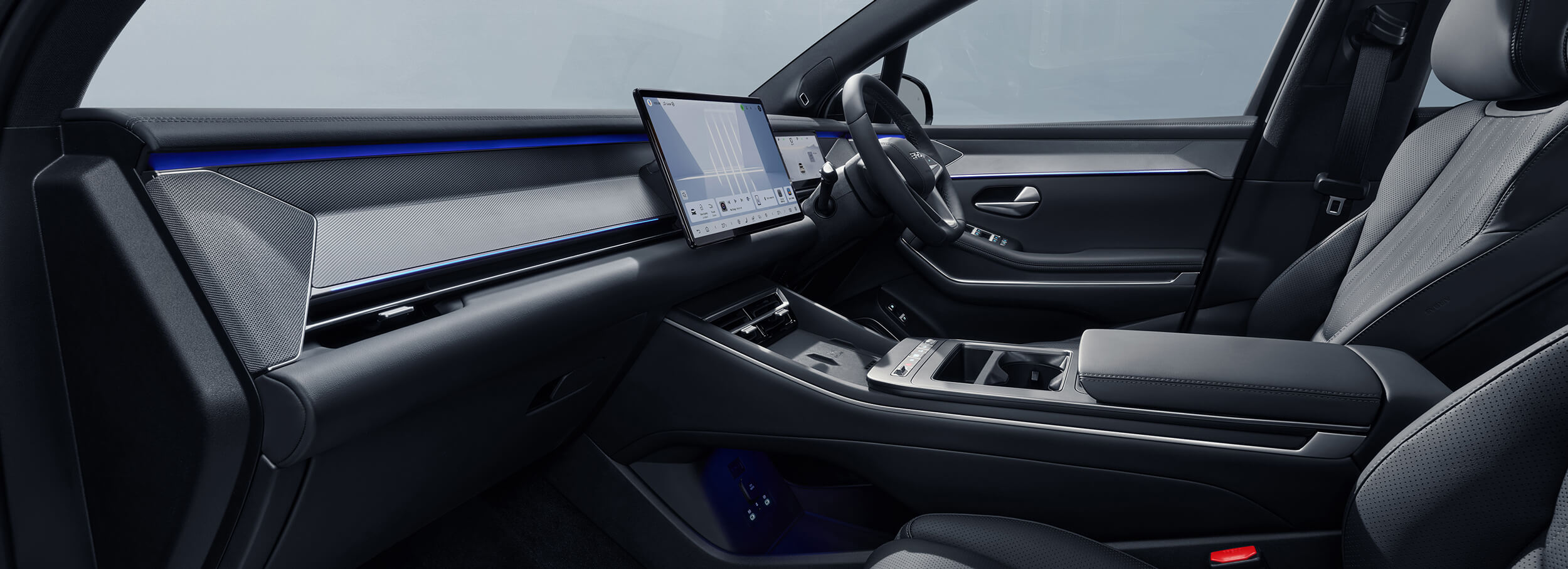
The cabin photographs make a persuasive case. There is a broad, uncluttered dashboard and enough visual restraint to feel a step beyond purely functional family transport. Our selection shows the right-hand-drive layout, rather than an overseas steering wheel on the wrong side.
But a screen size is not a usability verdict. Try changing the temperature, finding the camera view and pairing your phone. Do it while parked, then consider what would demand a glance away from the road. A few familiar journeys tell you more than a list of display dimensions.
The plug is there to be used.
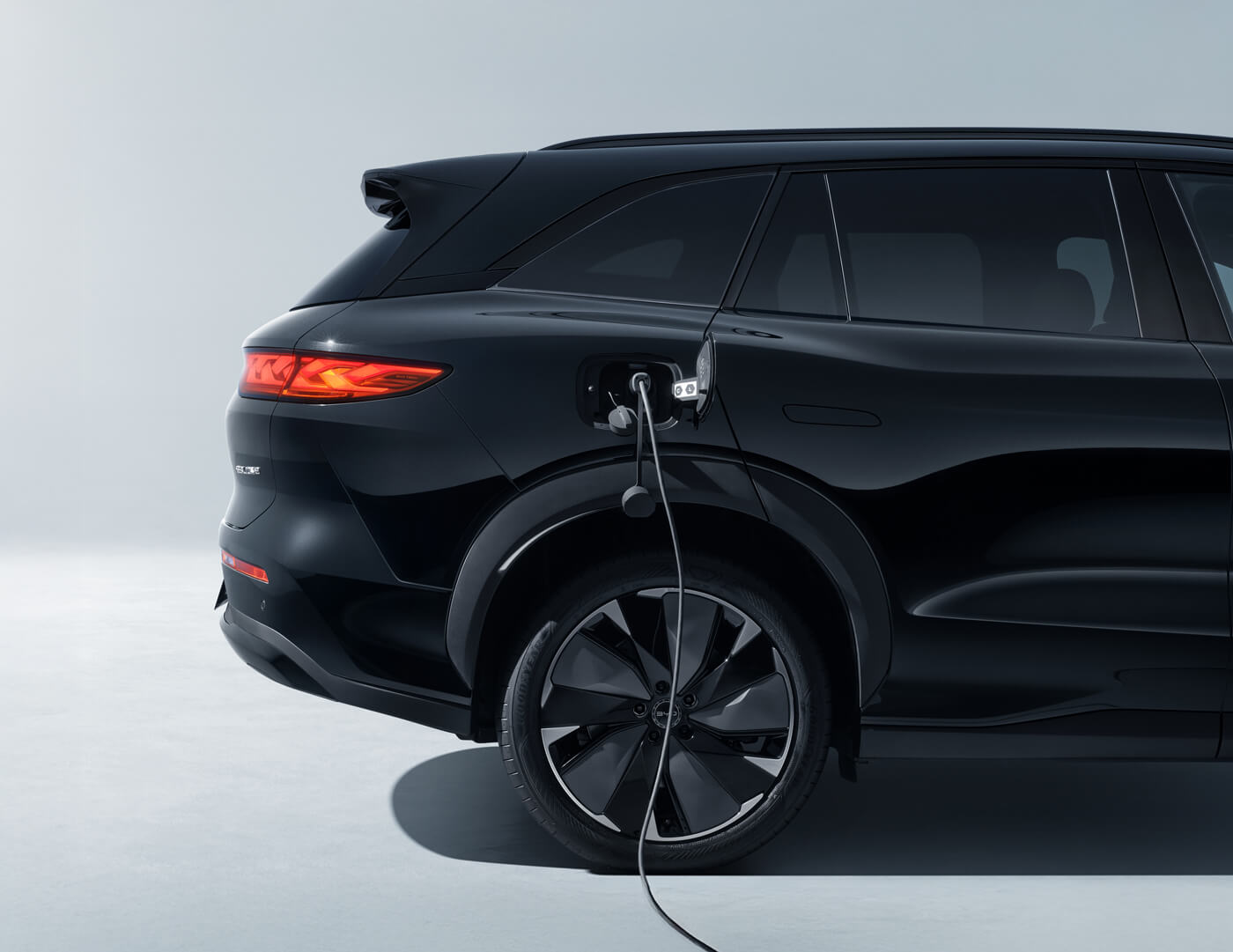
A plug-in hybrid makes its strongest case when plugging in becomes routine. If you can replenish the battery where the car normally sits, the electric side can do useful everyday work. If you rarely charge it, you are carrying battery hardware without making full use of it.
BYD’s Australian specification sheet lists 11 kW alternating-current (AC) charging across the range. Direct-current (DC) limits are 40 kW for Dynamic FWD and 74 kW for the AWD grades. Those are vehicle acceptance ceilings, not charging-time guarantees.
Public charging can therefore be useful, but compare the cost and the stop with simply charging at home. A large peak number on the charger does not make the car accept that power. And a petrol engine does not remove the need to think about efficiency when the usable battery charge is low.
The family test comes next.
Before buying, get a written drive-away quote and compare like with like: the grade you actually want, the same registration location, and any paint, charger installation or accessories you plan to add. Check the current Wattchdog offers separately, rather than assuming every promotion can be combined.
Test the Sealion 8 against the seven-seat alternatives on your own shortlist, including conventional hybrids and fully electric models. The right comparison is the complete family package: access, luggage, charging, insurance and the final price. A cheaper headline is a good start, not the entire ownership calculation.
The WattCar take.
Our view: the Sealion 8 has enough design appeal to earn attention without the price tag doing all the work. Add the entry price and the bigger-battery AWD option, and it becomes a serious family-car consideration.
Dynamic FWD is the budget starting point. Dynamic AWD is our on-paper sweet spot. Premium AWD is the treat-yourself choice. We would still want the family aboard and a proper drive before calling any of them your next car.
Good looking? We think so. And the price is doing a very good job of keeping up.
BYD Sealion 8: variants, specifications and WattCar ratings
Check current offers in Wattchdog
Compare your family-car shortlist
Editorial note: This is a research-based buying feature, not a firsthand WattCar road test. Manufacturer range, performance and charging claims depend on conditions and specification. Some overseas imagery may be shown; equipment and finish can differ. Sources: BYD Australia’s model page, Australian configurator and MY26 specification sheet.