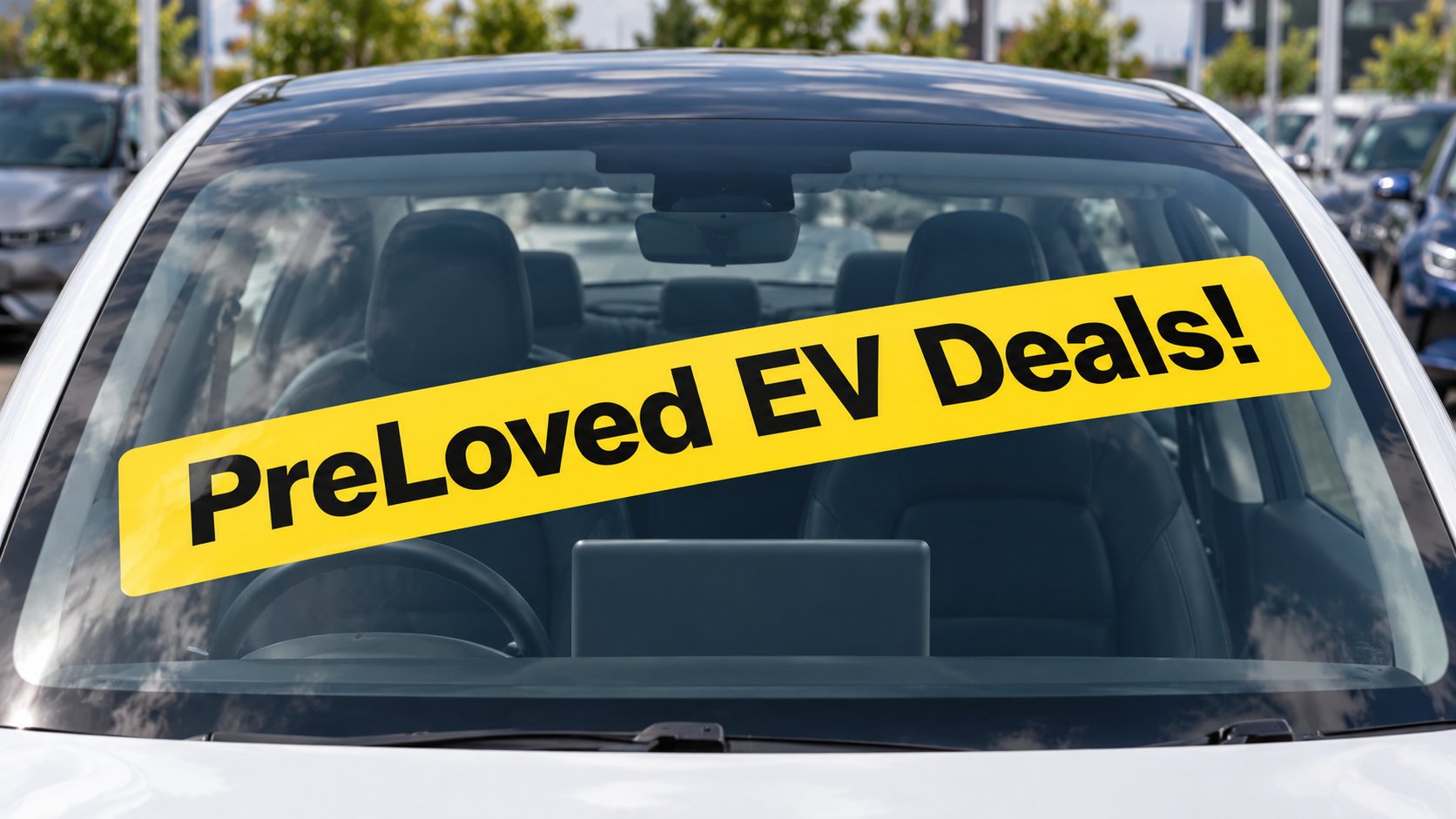
A used electric car can be a very good buy. The trick is to check the car, not just admire the price.
Here is the short version. Keep it handy when you speak to the seller.
1. Ask for the battery report.
“Do you have a recent battery health report for this car?” Start there. If the seller does not have one, ask a dealer or EV inspection service whether they can provide a check for that model. Ask them to explain the result. A full charge on the dashboard does not tell you how healthy the battery is.
Australian Government: buying an EV →
2. Ask what warranty is left.
“What warranty remains on this particular car?” Ask for the documents, then check with the manufacturer or dealer. The battery and the rest of the car may have different cover. Confirm the time and kilometre limits, and whether the cover transfers to you.
3. Spend $2 on its history.
Get the vehicle identification number (VIN), match it to the car and paperwork, and use the official Personal Property Securities Register (PPSR). It can show registered security interests and recorded stolen or written-off information. Search on the day before, or day of purchase. Save the certificate. If something is flagged, have it resolved before paying.
Run the official $2 PPSR check →
4. Ask to see it charge.
“Can you show me the car charging?” Check that charging starts normally and ask which cables come with it. Work out where you will charge at home or nearby. For public chargers, check the connector matches the car and read recent user reports. For a home charger, get an electrician’s assessment first.
Find nearby chargers on PlugShare →
5. Drive it. Check the ordinary things.
Take a proper test drive. Try the air conditioning, heating, screens, cameras and windows. Check the tyres and look for damage. Before committing, arrange an independent inspection with someone familiar with EVs. Ask whether battery testing is included or costs extra. You do not need to become a mechanic. You need someone qualified to check it.
6. Check recalls, keys and app access.
Search for recalls, then ask the manufacturer or dealer whether any work is outstanding for this VIN. Confirm that all keys and key cards are included. Ask how the car’s app account transfers to you and how the previous owner’s access is removed.
Search Australian vehicle recalls →
7. Check the whole price.
Get an insurance quote for the exact car. Add transfer costs, any immediate repairs, missing cables and home charging costs. Then compare the total with today’s new-car offers. The original sticker price is history. What you could buy instead is the useful comparison.
One last check.
If the seller will not allow reasonable checks, do not let an attractive price rush you into buying.
A battery report, a clear history and a proper inspection are much more useful than “it’s never given me any trouble”.
Read next: Is the best new EV a used EV? Our look at a $25,500 Tesla Model 3 →
Image: WattCar, AI-created editorial illustration. Not a specific vehicle for sale.
Note: This guide covers battery-electric cars. A plug-in hybrid also needs its petrol engine and related systems inspected. A battery health check cannot guarantee future reliability. Registration and sale requirements vary by state and territory.