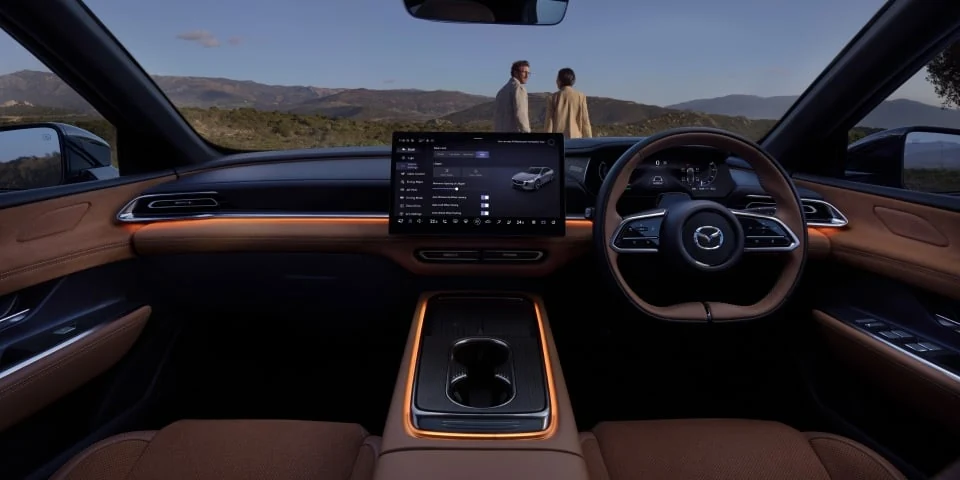
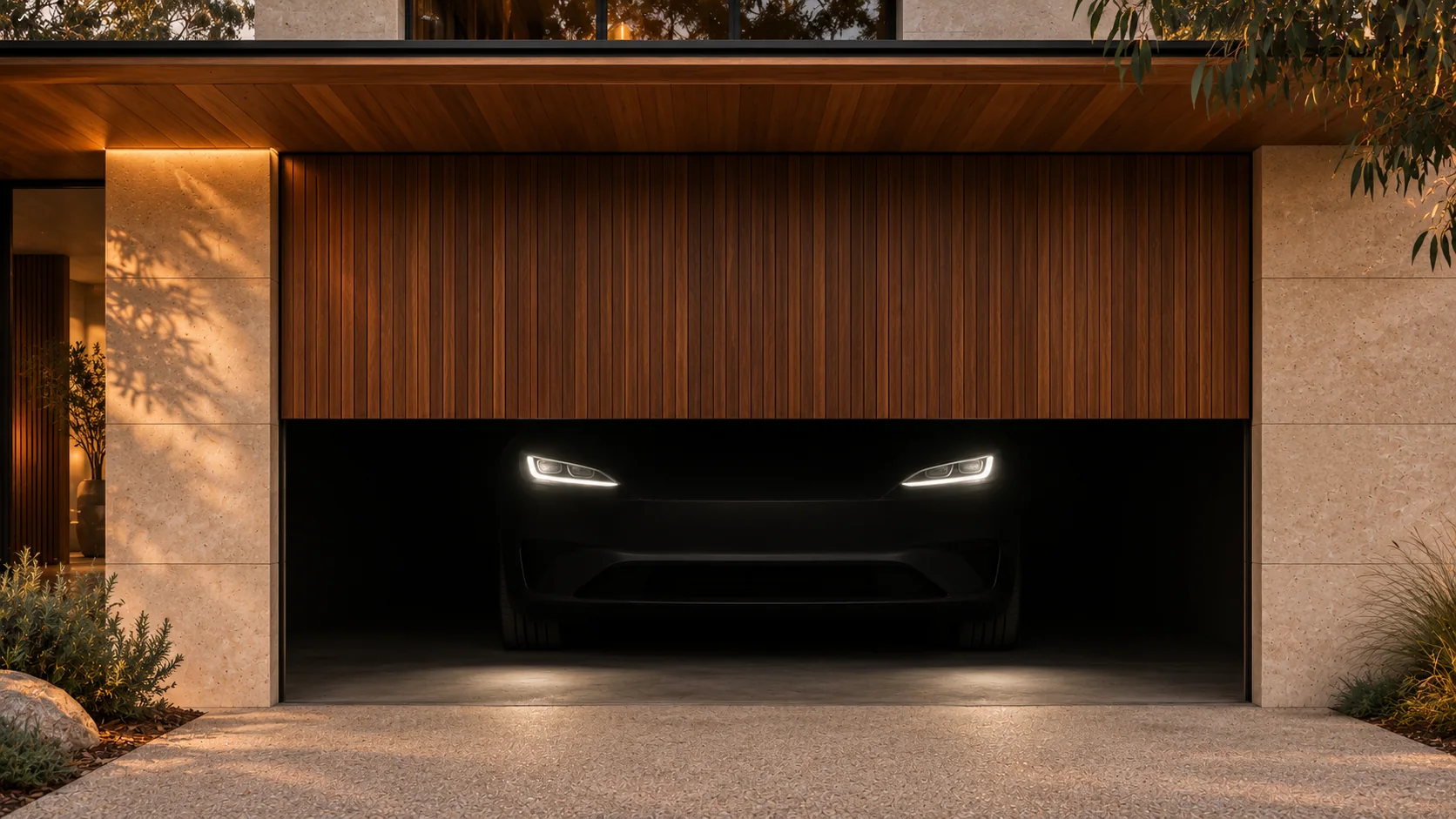
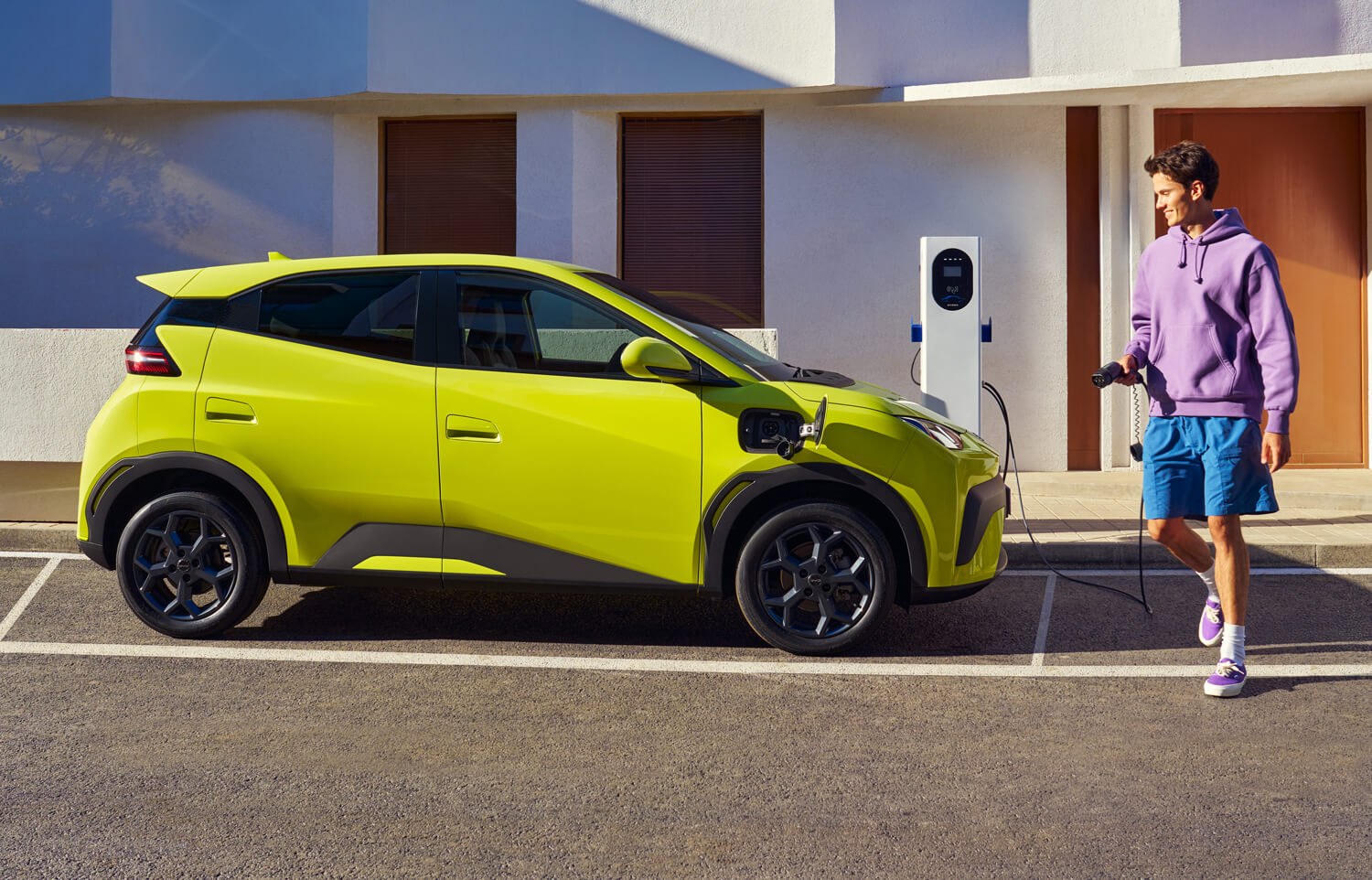
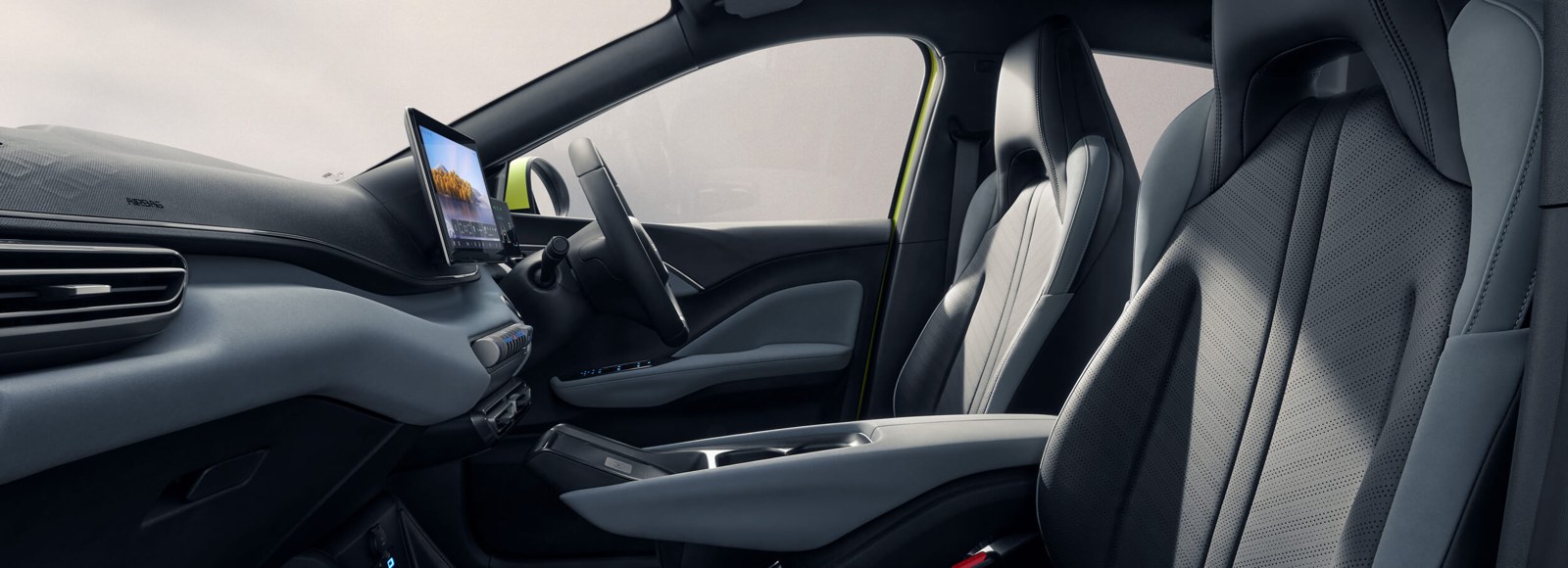
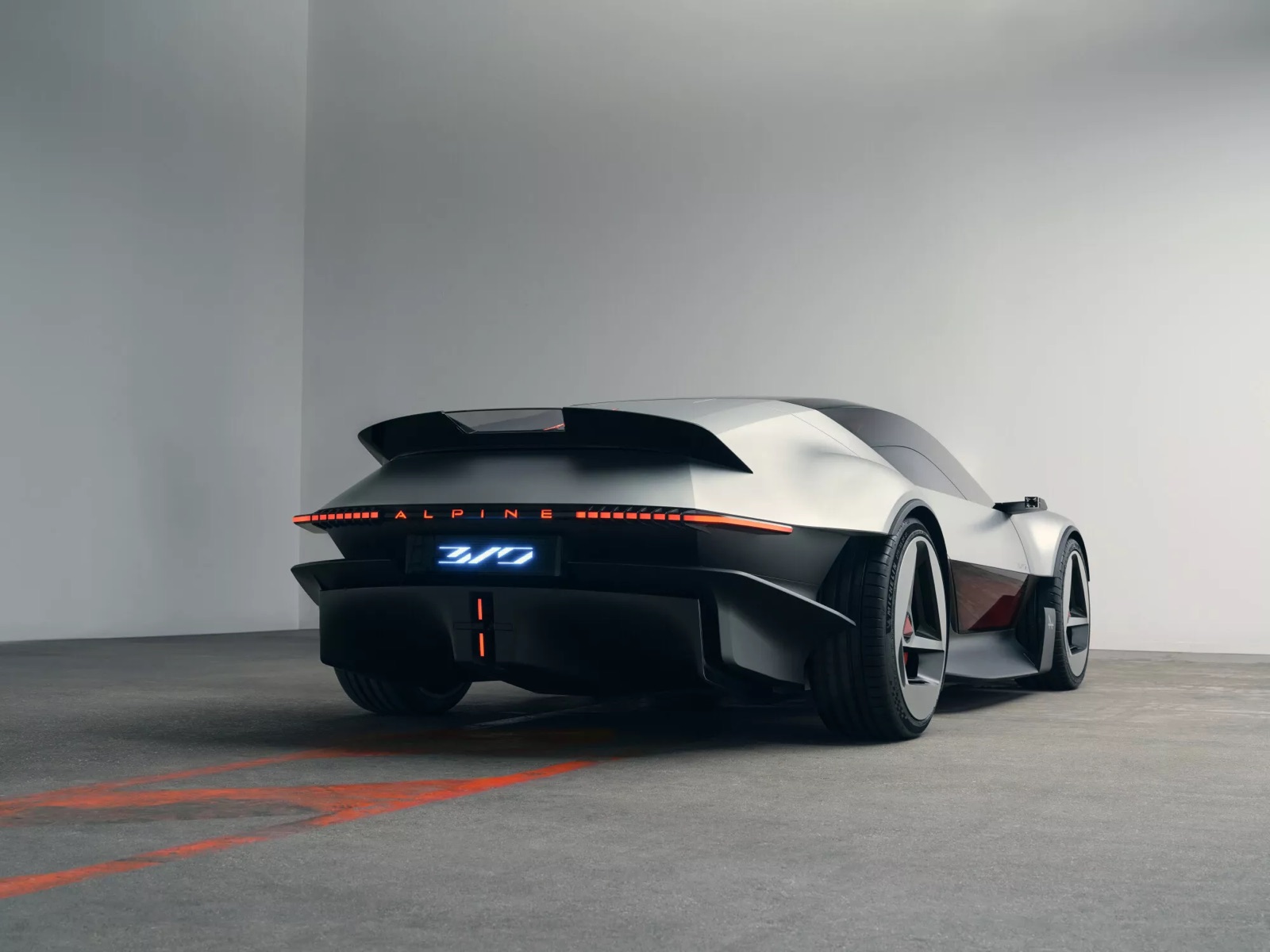
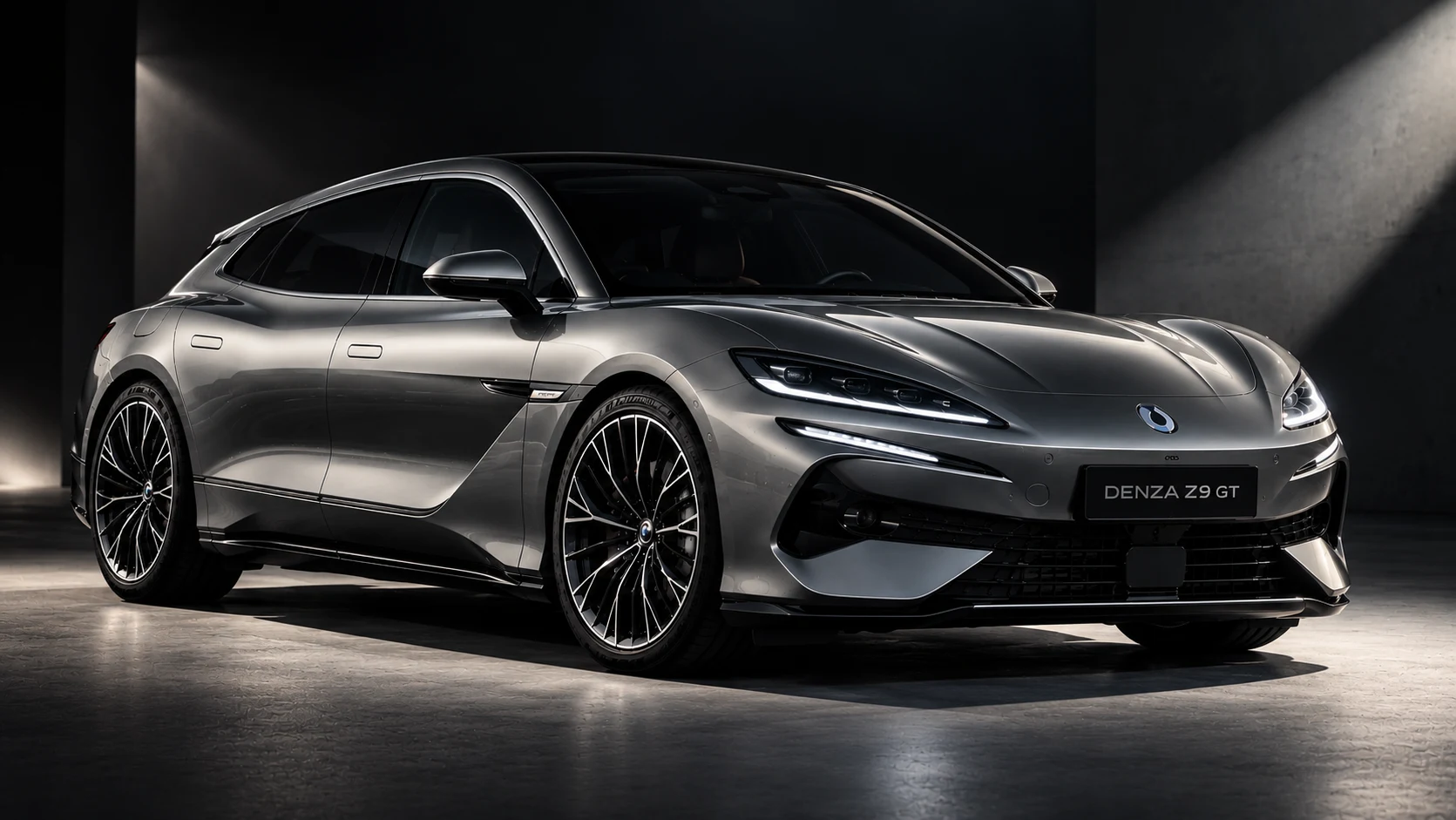
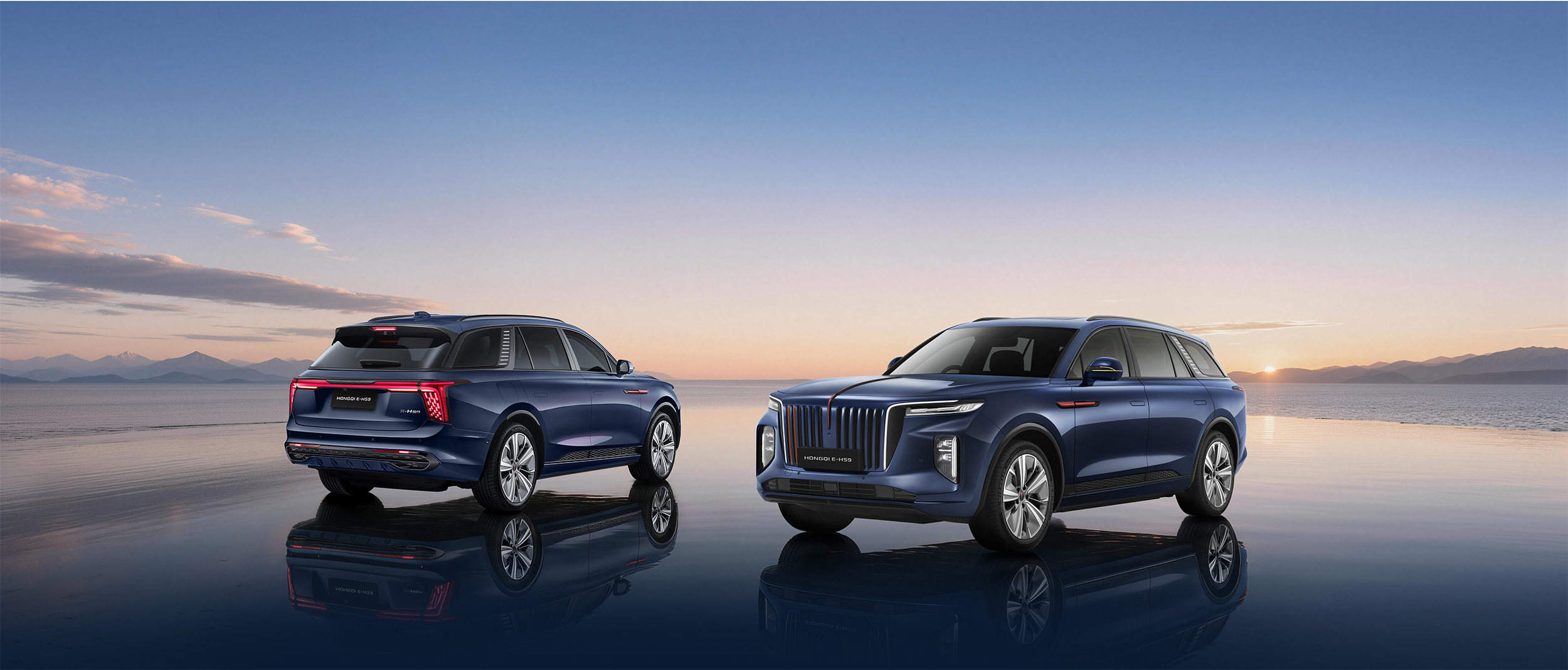
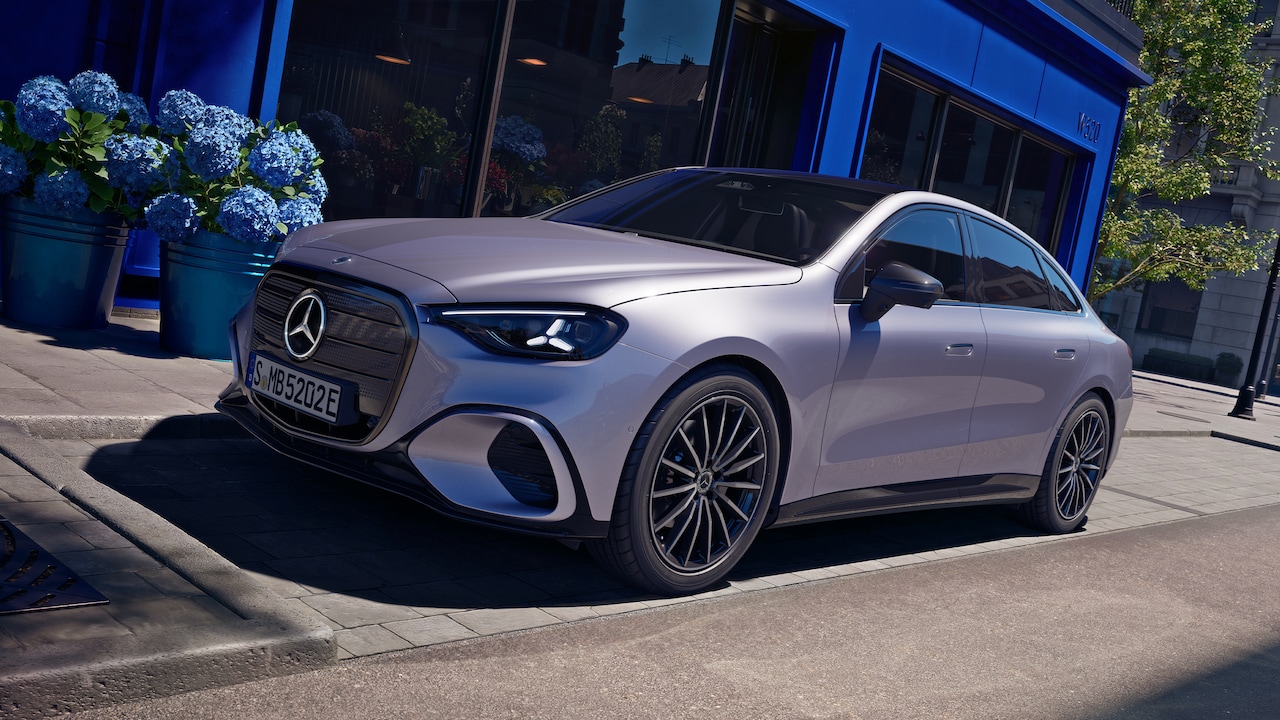
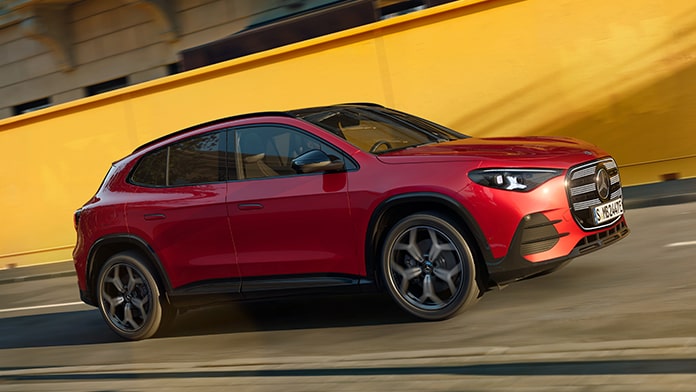
Ferrari’s first electric vehicle (EV) brings four motors, five seats and design input from Jony Ive and Marc Newson. Has the Apple magic travelled?
The badge is Ferrari. The design conversation includes the man who helped make the iPhone an object of desire.
Now comes something considerably harder to slip into your pocket.
This is the Ferrari Luce, the Italian company’s first fully electric car. Australian pricing has been announced at $991,446 before on-road costs. A few options and the business of getting it registered should comfortably take care of the remaining change from a million dollars. Customer deliveries here are expected late in 2027.
At that price, you’re entitled to an opinion about how it looks.
DESIGNED BY WHOM?
Sir Jony Ive’s reputation was built at Apple, where he helped shape the iMac, iPod and iPhone. Few designers have had more influence over the objects we carry, touch and stare at every day.
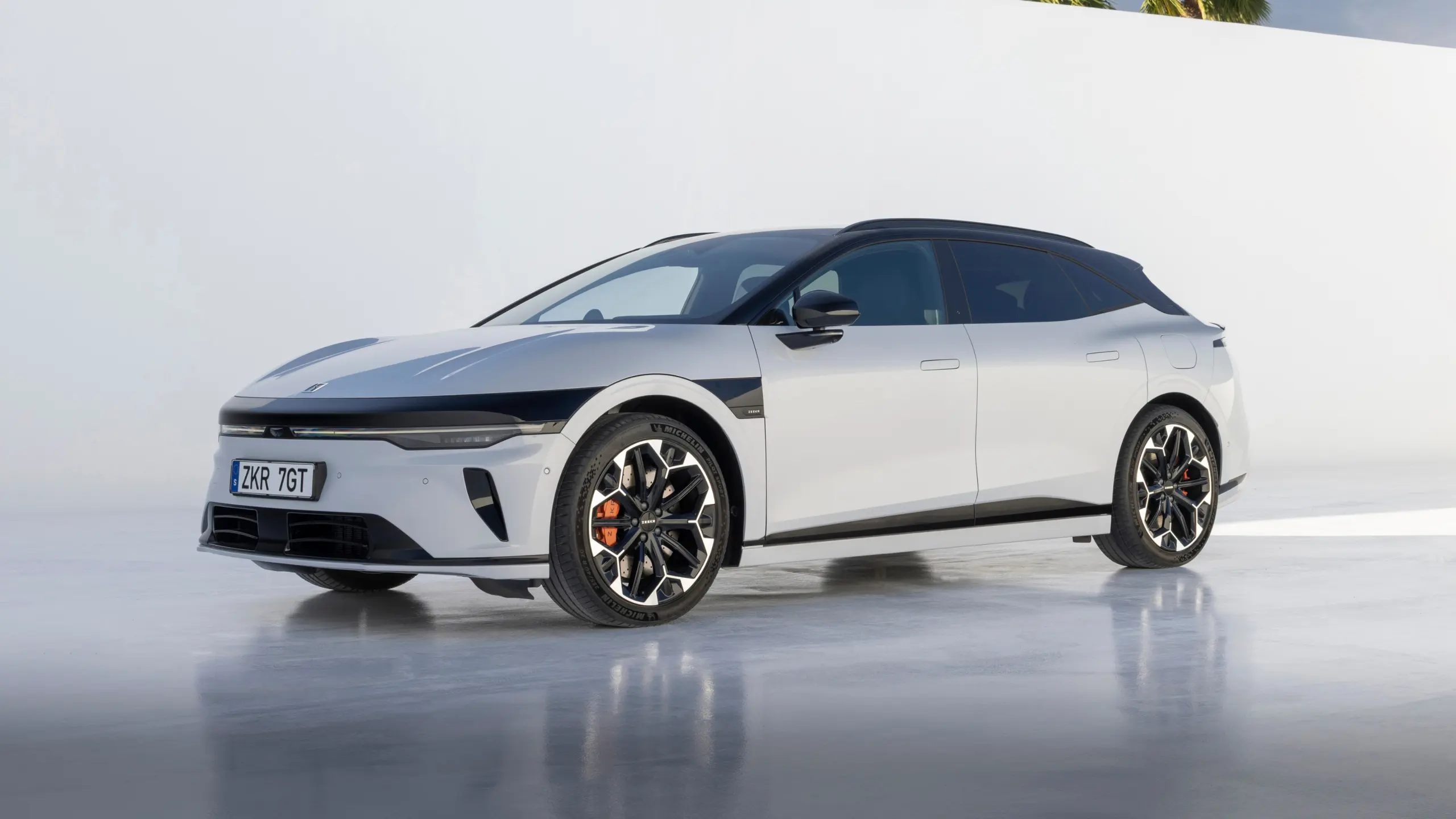
But this deserves more than a celebrity designer headline. Australian designer Marc Newson is the other co-founder of LoveFrom, the studio involved in the Luce. Together, they worked with Ferrari’s own design team to bring a different perspective to the car’s exterior and interior.
The result invites a useful question: what should an electric Ferrari look like when it no longer needs to organise itself around a combustion engine?
Our view is that it should take a chance. Whether this particular chance has produced something beautiful is a discussion best conducted with the photographs open.
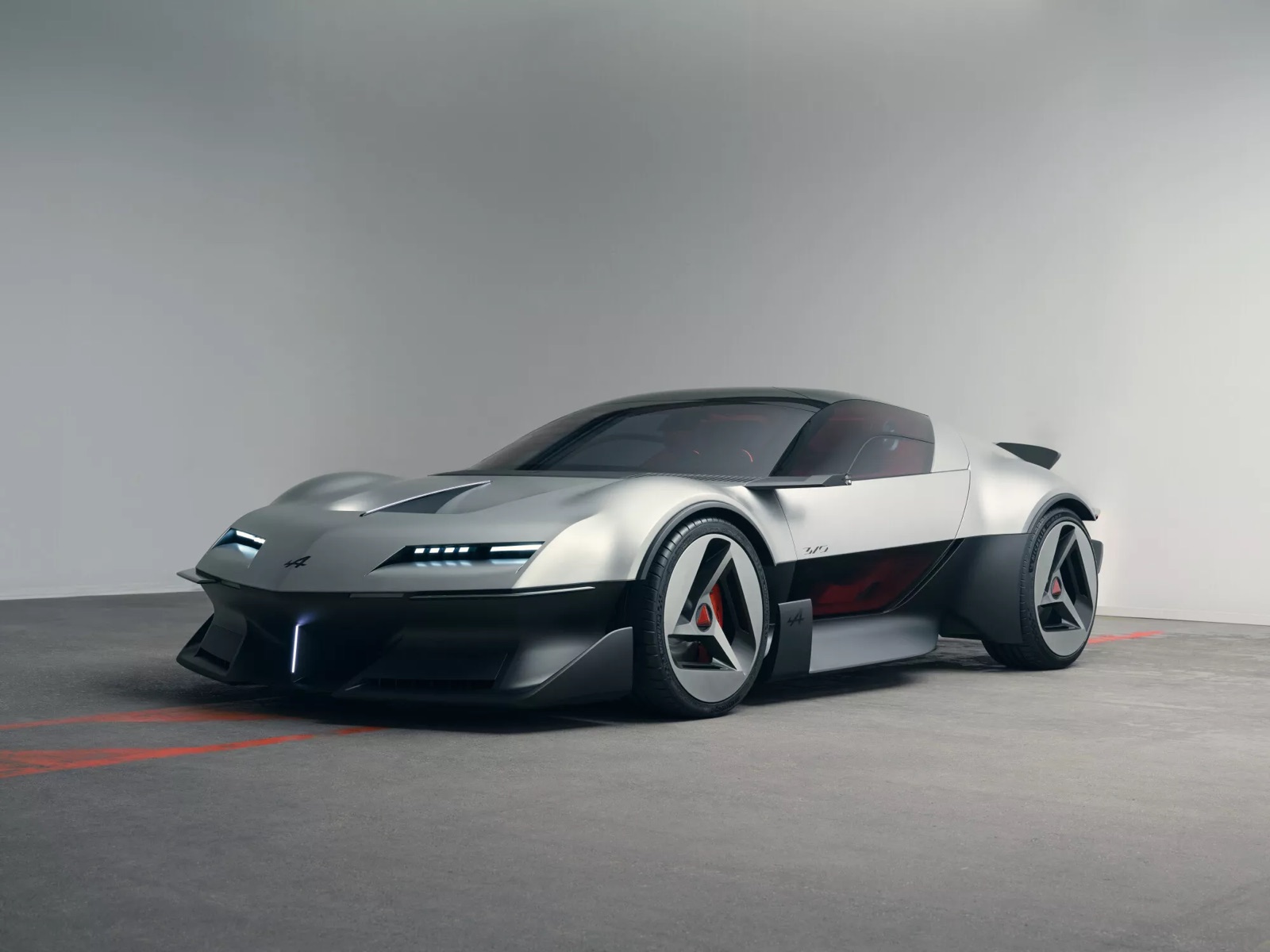
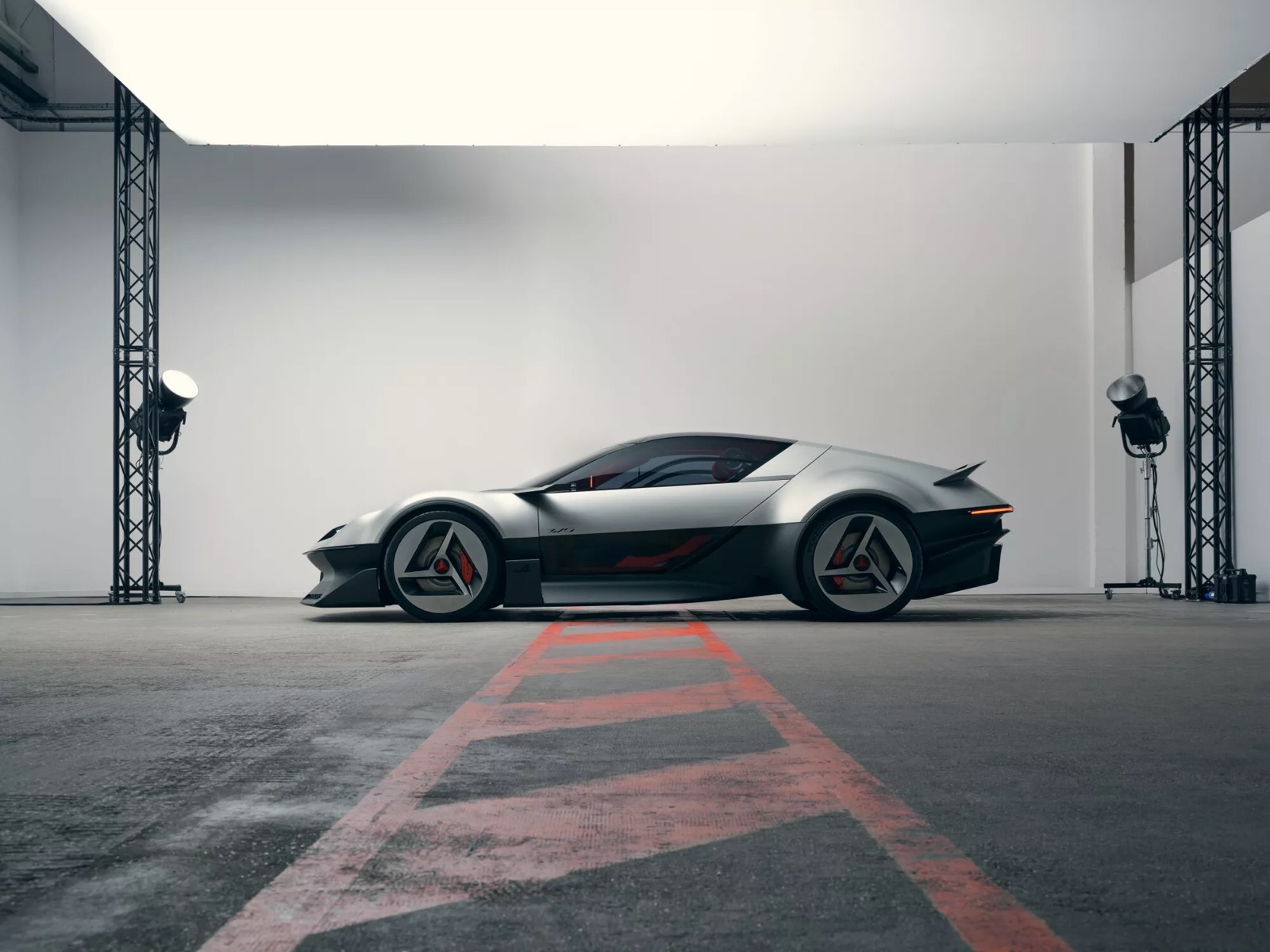
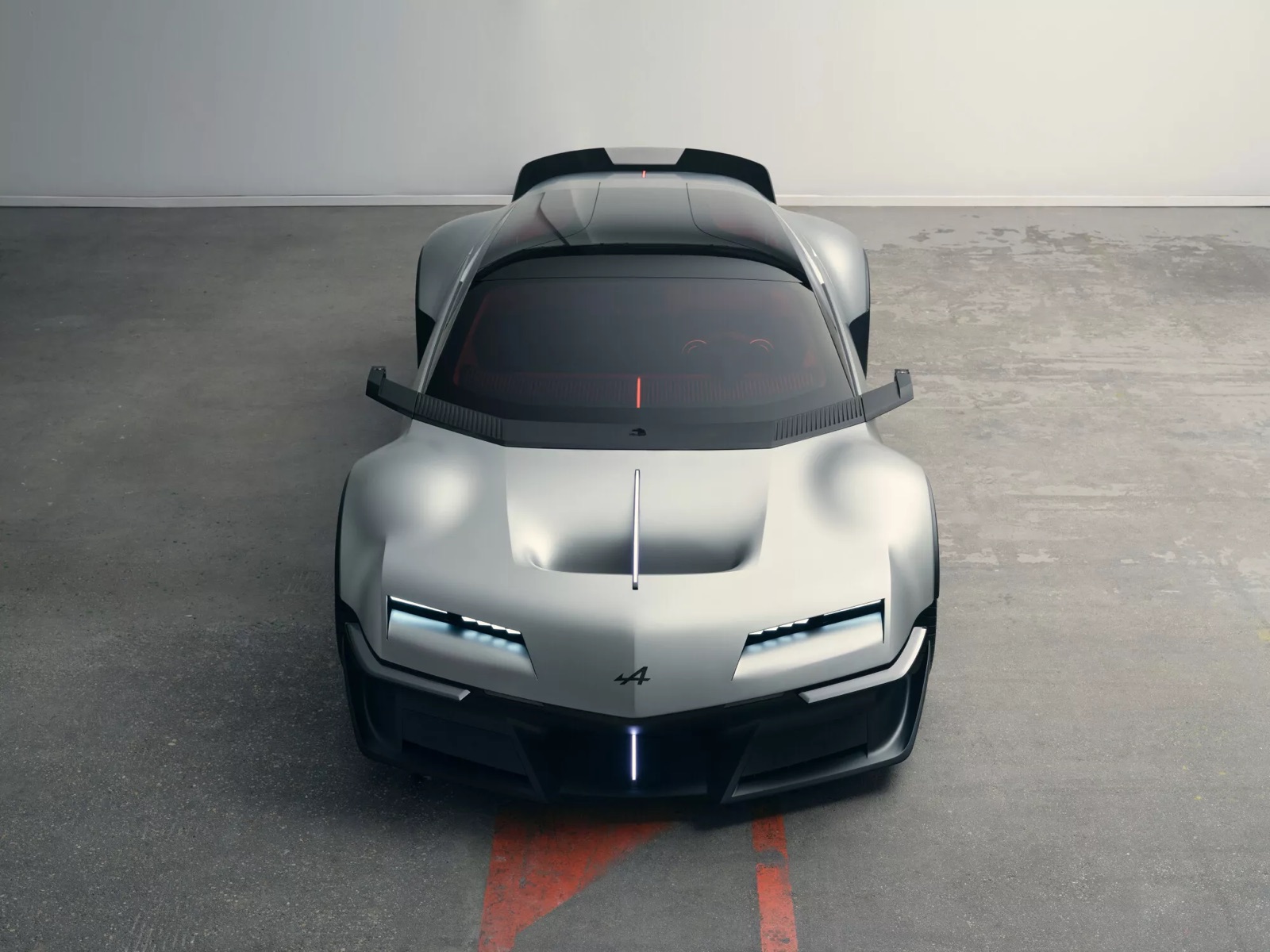
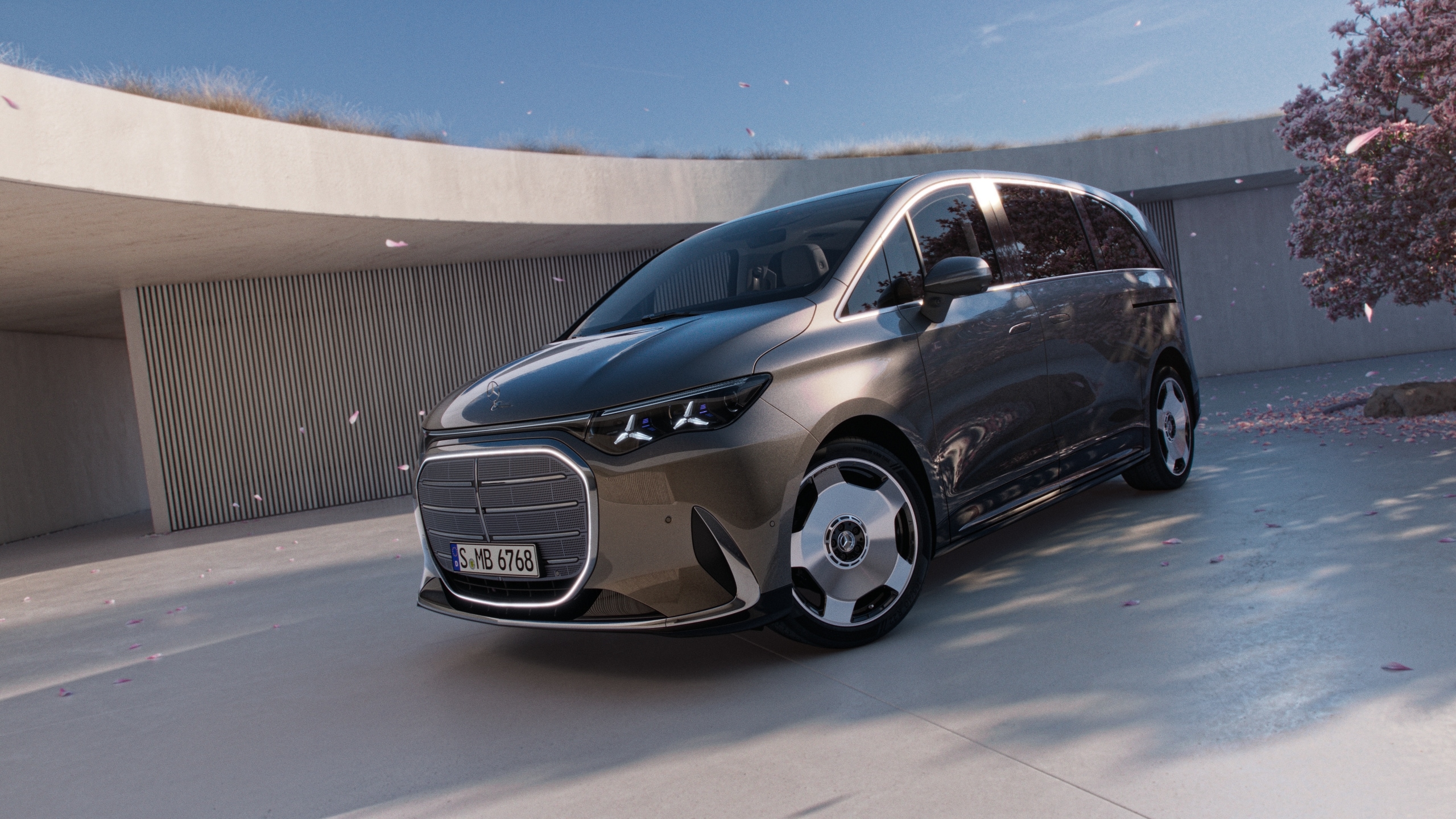
The Ferrari Luce in yellow. Photograph by Ferrari.
There is no shortage of reverence around the Ferrari badge or the Ive name. Neither should make the car immune to scrutiny.
THE INTERESTING BIT IS INSIDE
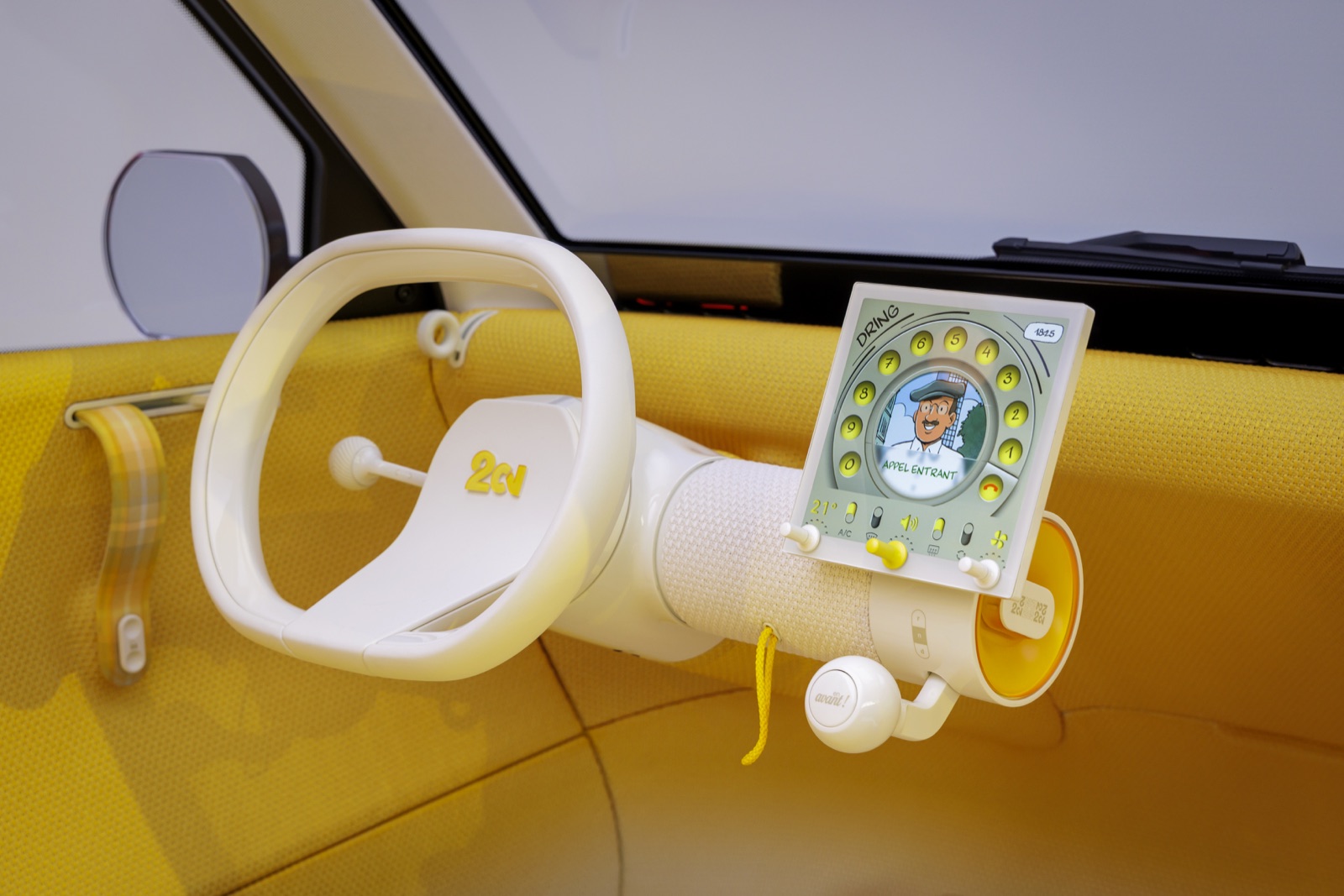
The Luce combines physical controls with digital displays. Image: Ferrari.
Perhaps the most interesting decision is that the people associated with some of the world’s most famous screens have resisted making everything happen on one.
The Luce combines digital displays with physical buttons, switches and dials. Ferrari describes controls grouped around their function, with essential information directly ahead of the driver. Four doors and five seats also make this a considerably more accommodating proposition than the traditional weekend Ferrari.
There is something pleasing about that. After years of carmakers hiding ordinary functions behind menus, an expensive new car that recognises the usefulness of a button feels almost rebellious.
The cabin is where the design partnership has the best opportunity to earn its keep. A striking shape gets photographed. A good control gets appreciated every time you use it.
YES, IT’S EXTREMELY FAST
Ferrari claims 0–100km/h in 2.5 seconds and a top speed of 310km/h. Four motors provide a quoted maximum 772kW, while a 122kWh battery supports direct-current (DC) charging at up to 350kW. Kerb weight is 2260kg. These are manufacturer figures, rather than WattCar road-test results.
That should settle most concerns about whether it can accelerate.
It does rather less to settle whether you would fall in love with it.
Extraordinary straight-line performance is no longer exclusive territory. Plenty of EVs can rearrange your internal organs for substantially less money. Ferrari’s challenge is to make the steering, chassis, response and sense of occasion feel worth the difference.
Sound is part of that task. Ferrari says the Luce captures and amplifies the natural vibrations of its electric drivetrain, rather than simply playing an imitation combustion-engine soundtrack. The electric-guitar analogy is Ferrari’s, and it is an intriguing one. We’ll reserve judgement until we hear it working.
THE MILLION-DOLLAR QUESTION
We like that Ferrari has allowed its first EV to provoke a discussion beyond battery size and acceleration.
We also like the idea that Ive and Newson’s contribution might be judged through the things you touch and use, rather than simply the value their names add to the launch announcement.
But famous designers do not automatically make a beautiful car. Nor does a prancing horse automatically make every new shape a masterpiece.
The Luce will eventually have to make its case on the road. For now, Ferrari has supplied the photographs.
At that price, Ive got my doubts.
Images: Ferrari manufacturer publicity photography.
This could get me out of an SUV.
Design studyPhotography · Polestar
Polestar’s Formula 2030 is a low, wide electric concept with four doors. If they built it, I’d be tempted to trade the high driving position for something I’d take the long way home in.
Polestar has shown us the face of its next 2 and the tail of its upcoming 7. The car it used to show them off is the one that has me looking twice.
The Formula 2030 from above. Photo by Polestar.
The Formula 2030 is low, wide and has the sort of doors you’d want to open at least once in an empty car park, just to see how they work. Top Gear calls it a giant hot hatch. That sounds about right. It has the shape of something you could use every day and the stance of something you’d take the long way home in.
A low, wide stance. Photo by Polestar.
There’s a hint of Audi TT in the low roof and broad shoulders. At 1,350 mm, the Polestar is almost exactly the same height as the final TT Coupé. It’s also nearly half a metre longer and has four doors. What made the TT such a good idea was that you could drive it every day and still feel you’d bought something special. I’d like to see Polestar have a go at that.
The front wheel and brake detail. Photo by Polestar.
For now, it’s a concept. Polestar hasn’t announced plans to build it.
WHAT WILL MAKE IT TO THE ROAD?
Polestar design chief Philipp Römers says the front previews the next Polestar 2, due in 2027. The rear gives us a look at the upcoming Polestar 7 compact crossover, including its single-blade tail light. The low profile and pronounced rear haunches draw on the 5, while the roofline takes its cues from the 4.
A closer look at the nose that previews the next Polestar 2. Photo by Polestar.
That’s a lot of family resemblance for one car. The interesting bit is what happens when those ideas come together. There’s a squat, purposeful shape here that stands apart from the taller crossovers filling electric-car showrooms.
The rear light blade previews the Polestar 7. Photo by Polestar.
YES, THOSE ARE BUTTONS
Inside, Polestar has brought back physical controls. The concept lets drivers rearrange them, and its curved instrument display puts information directly ahead. Whether the customisable switches make it to production is still an open question.
The driver’s view, with physical controls on the centre console. Photo by Polestar.
A button you can find by feel is a small thing. It’s also one of those details that makes a car easier to live with every single day. I’d happily see that idea make it through, even if the doors don’t.
A look into the cabin from the rear. Photo by Polestar.
THE ONE WE’D LIKE TO SEE
Polestar says it wants to move into more compact segments and make its performance cars more accessible. The next 2 will give us a better idea of what that means. For Australian buyers, the questions are familiar: what will it cost, how far will it go, and will it be as good to drive as it looks?
In the meantime, there’s an appealing idea sitting right in front of us. A distinctive electric hatch with room for real life and a reason to look back after you’ve parked it.
The low roof and broad rear shoulders from above. Photo by Polestar.
I like the view from an SUV. I’d give it up for a car that made me want to drive a little further.
Are these the new Range Rovers?
FeaturePhotography · XPeng
Familiar silhouettes. Unfamiliar badges. China’s luxury SUVs aren’t just chasing the look. They’re chasing the customer.
At first glance, you might reach for the Range Rover key. Then you notice the badge.
Long bonnet. Upright stance. A roof that appears to float above an expanse of expensive-looking glass. The visual language is familiar, even when the name on the tailgate is not.
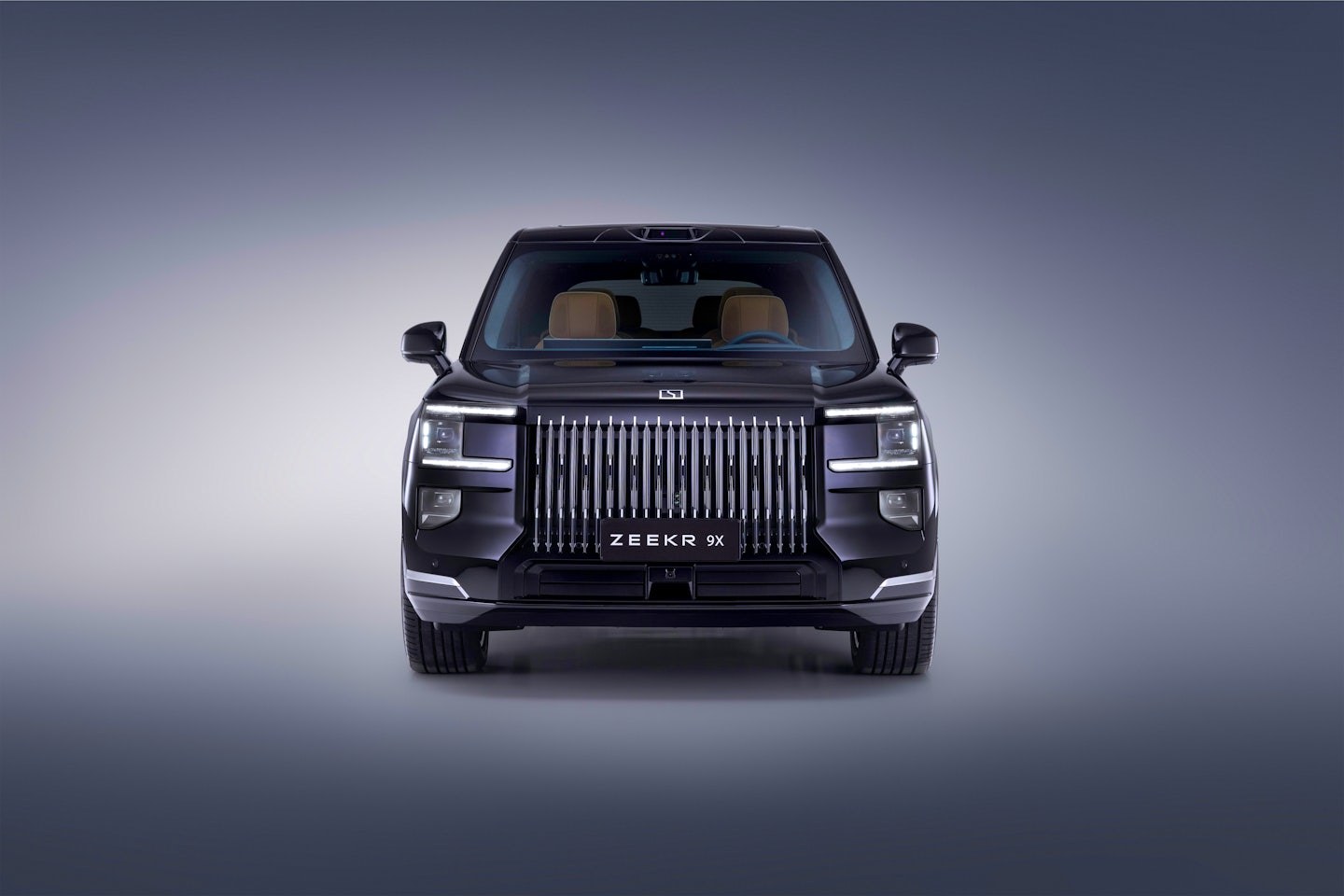
The XPeng GX, Zeekr 9X, Denza N9 and Yangwang U8 belong to a new wave of Chinese luxury sport utility vehicles (SUVs) asking an awkward question: what exactly are you paying for, the engineering, the indulgence, or the name across the bonnet?
The answer is not simply that China has learned to make something look expensive. These cars bring electric motors, substantial batteries and ambitious control systems to a segment that has traditionally sold effortlessness by the cylinder.
They are not Range Rovers, and resemblance is not evidence of copying. Nor have we driven this quartet back to back. This is a look at the challenge they pose, not a road-test verdict dressed up in a dinner jacket.
XPENG GX The one that makes you look twice.
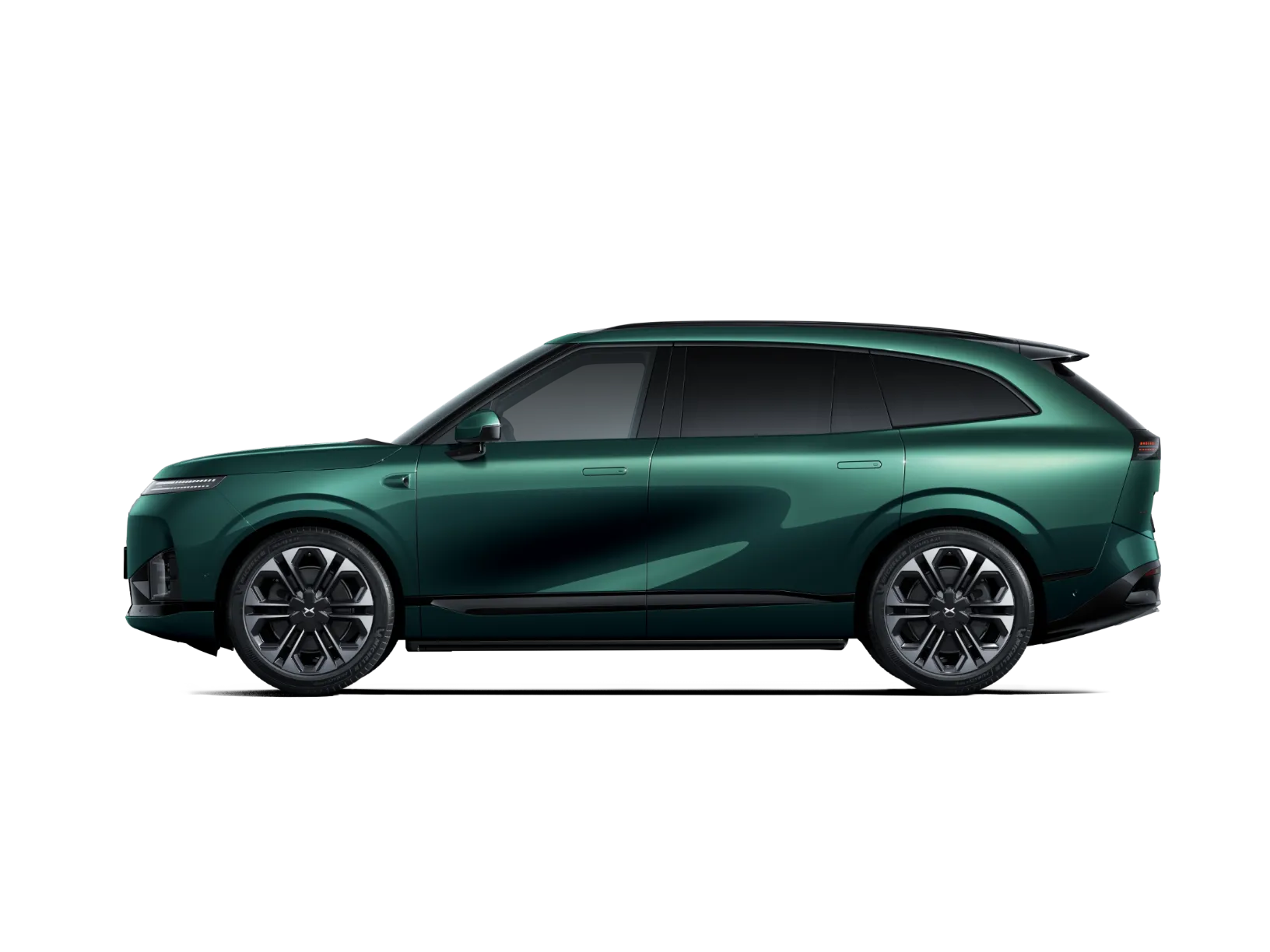
The GX makes the strongest case for our headline. Its restrained sides, dark upper body and upright proportions have a distinctly familiar rhythm. The lighting and detailing take it somewhere else, but you can see why Range Rover enters the conversation.
XPeng offers it in China as both a fully electric vehicle (EV) and an extended-range electric vehicle (EREV). The latter uses a petrol engine to generate electricity for its electric drive system. You can plug it in, then use the engine when the battery needs help.
The six-seat cabin is the other half of the pitch. Individual middle-row chairs, a generous third row and a very deliberate emphasis on travelling comfortably rather than merely accommodating six people. The manufacturer photography is doing plenty of selling, but the idea is clear.
XPeng GX. The familiar shape is only the introduction. Photo: XPeng. Overseas specification shown.
XPeng has confirmed the GX for Australia. Local pricing, final specification and a firm arrival date remain unannounced. The Chinese extended-range Max starts at 289,800 yuan (about A$63,000) before any expired launch discount, not the lower 269,800-yuan promotional EV figure still circulating online.
A familiar silhouette may get somebody into the showroom. A good ride, intuitive controls and competent support will have to keep them there.
ZEEKR 9X Business class has found a driveway.
The 9X is less shy about announcing itself. That grille has not come to make a small contribution to the streetscape. It has come to chair the meeting.
Zeekr 9X. Not a grille given to understatement. Photo: Zeekr. Overseas specification shown.
Beneath it is a plug-in hybrid electric vehicle (PHEV), with a petrol engine and electric motors, rather than a battery-only EV. Zeekr’s Chinese launch specification describes a 900-volt architecture, air suspension and a three-row, six-seat cabin. The published Chinese list-price range begins at 465,900 yuan (about A$101,000).
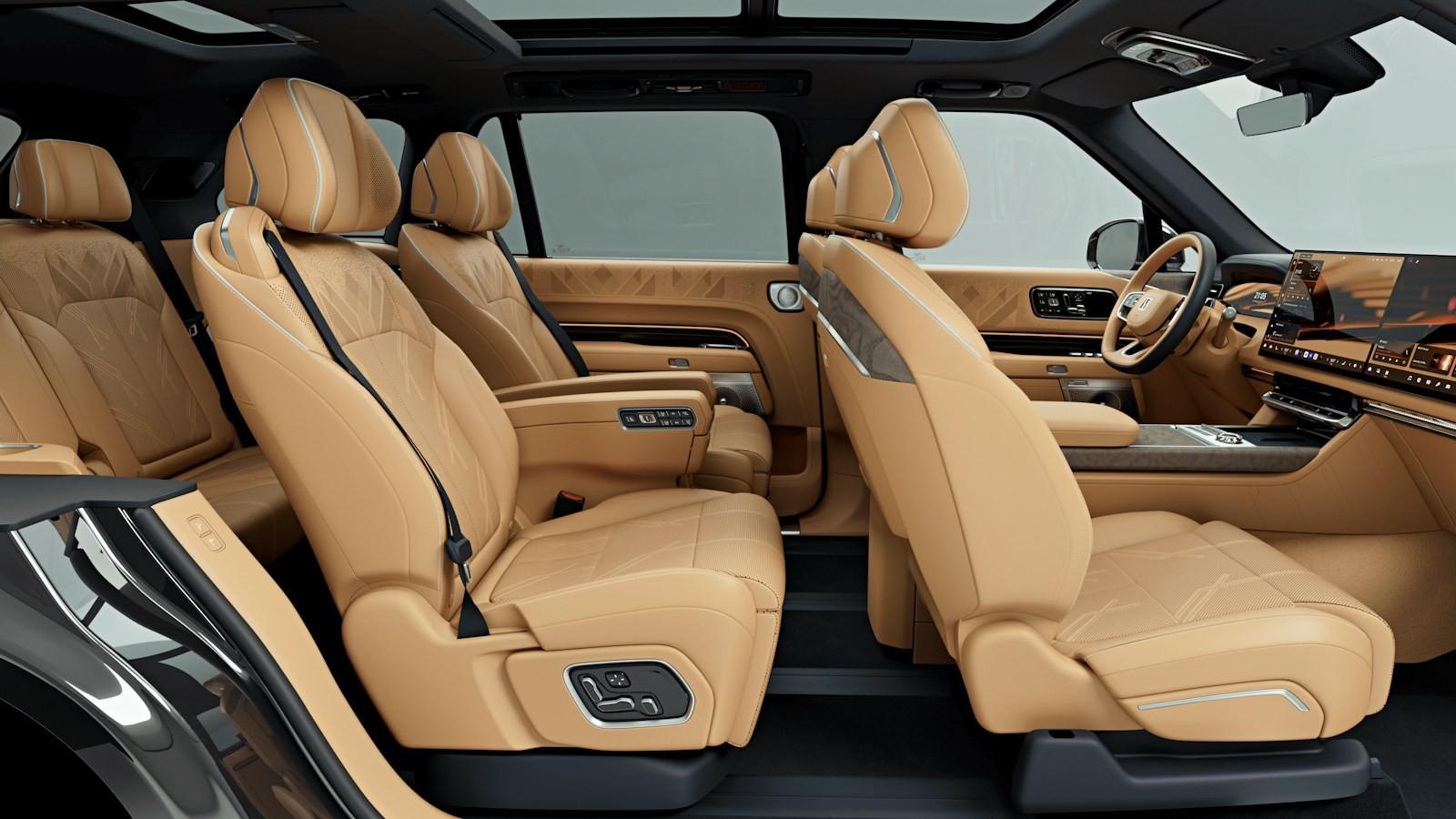
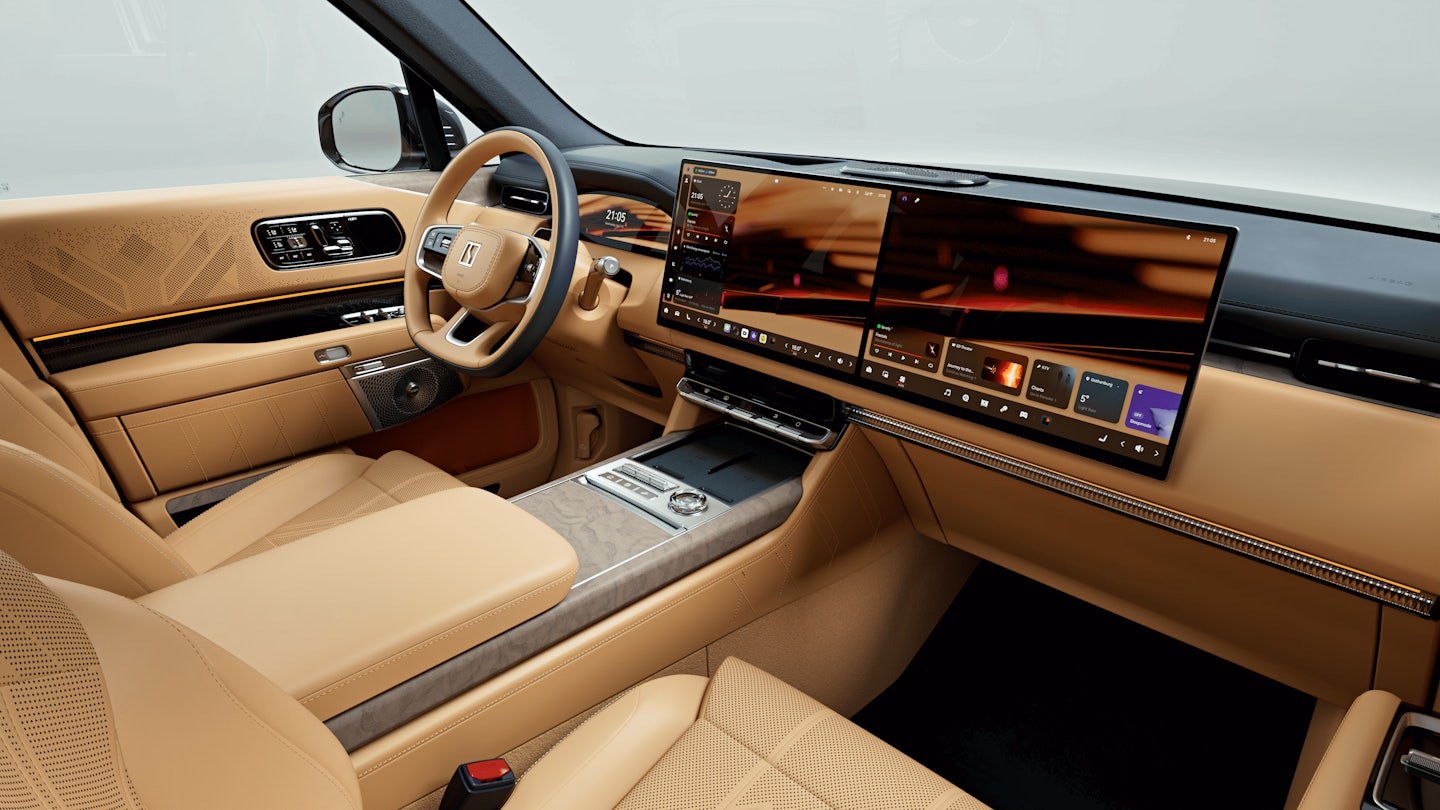
Inside, the proposition is unapologetically indulgent. Zeekr’s European specification lists massage, heating and ventilation for the first two rows, powered second-row leg rests, a sliding 17-inch entertainment display and a 32-speaker Naim audio system.
The European car is not a specification sheet for the Australian one. Nor should the most powerful Chinese version be quietly attached to the entry price. We want to see the local equipment, electric range, price and support package together before calling it a bargain.
Zeekr 9X. The other half of the luxury pitch. Photo: Zeekr. Overseas left-hand-drive specification shown; Australian equipment may differ.
The appeal is easy to understand, though. It offers a vision of luxury based on what happens inside the car, rather than how long your family has been buying the badge.
DENZA N9 The lounge with a very large battery.
The N9, from BYD’s premium Denza brand, makes a slightly different argument. Its imposing proportions belong in this company, but the interesting part is not whether a passer-by mistakes it for something British.
Denza N9. A flagship plug-in hybrid, not simply a luxury badge exercise. Photo: Denza / BYD. Chinese-market model shown.
The Chinese Flash Charging edition pairs a petrol engine with three drive motors and a 75.3-kilowatt-hour (kWh) battery. That is substantial energy storage for a plug-in hybrid. Denza claims up to 420km of electric driving under the China Light-Duty Vehicle Test Cycle (CLTC), not an Australian real-world result.
That distinction matters. CLTC figures cannot be treated as directly equivalent to the Worldwide Harmonised Light Vehicles Test Procedure (WLTP), let alone your highway journey with the family and luggage aboard.
Denza also claims a 10–70 per cent charge in five minutes on suitable Flash Charging equipment. That does not mean an ordinary Australian public charger will deliver the same stop. The car, charger and battery conditions all have to cooperate.
The N9’s Chinese list price starts at 409,800 yuan (about A$89,000). Australian approval has been reported, but that is not the same as a confirmed retail launch, a local price or a promise that our car will get the Chinese battery and charging specification. Those are separate questions.
What it does demonstrate is how far the plug-in hybrid brief can stretch. This is not just a big petrol SUV with a small electric footnote.
YANGWANG U8 Not everything from China is trying to be cheap.
If the others are auditioning for the Range Rover driveway, the U8 has arrived with its own technical demonstration team.
Yangwang U8. China is also playing at the expensive end. Photo: Yangwang / BYD. Chinese-market model shown.
BYD’s Yangwang brand uses four independently controlled drive motors, one for each wheel, and an intelligent hydraulic body-control system. The U8’s petrol-assisted electric powertrain makes it a plug-in vehicle, but not a battery-only one.
The manufacturer’s party pieces include turning on the spot and emergency flotation. The latter is a safety escape function, not an invitation to drive into floodwater. A luxury SUV is still a poor substitute for a boat, especially when the brochure is doing the navigating.
The current Chinese U8 starts at 1,008,000 yuan (about A$219,000), before anyone considers Australian specification, taxes, compliance or distribution.
That is the point. China is not only challenging the bottom of the luxury market. Yangwang wants to demonstrate that it can build the expensive, complicated, technically extravagant thing as well.
Australian approval has been reported for the U8, but local retail pricing and an on-sale date remain unconfirmed. Approval is a step, not a set of keys.
THE MONEY. WITH THE SMALL PRINT LEFT IN.
Here is the Chinese price context for the exact versions discussed. These are published starting list prices, not Australian offers. Currency conversion does not create a landed price.
Published China starting prices, not Australian offers
Model and version
China list price
Approx. A$ conversion
XPeng GX EREV Max
¥289,800
A$63,000
Zeekr 9X Max PHEV
¥465,900
A$101,000
Denza N9 Flash Charging PHEV
¥409,800
A$89,000
Yangwang U8, 2026 model
¥1,008,000
A$219,000
Price note: Approximate Australian-dollar equivalents use the Reserve Bank of Australia’s 6 November 2026 rate of A$1 = 4.6020 Chinese yuan, rounded to the nearest A$1,000. China prices exclude conditional trade-in subsidies and temporary launch discounts. Local taxes, specification and retail costs differ, so these figures cannot be subtracted from Australian prices to claim a saving.
For an Australian reference, the full-size Range Rover’s published 2027 entry plug-in hybrid and electric prices are:
Australian Range Rover price reference
2027 model
Published Australian price
Range Rover P460e HSE, short wheelbase
A$284,900 plus on-road costs
Range Rover Electric HSE
A$317,718 plus on-road costs
Price note: Australian Range Rover prices are published recommended prices before on-road costs and options. P460e HSE is the short-wheelbase plug-in hybrid; Electric HSE is battery-electric. These are different powertrains and markets from the Chinese price references above, not like-for-like purchase quotes.
The GX and 9X are confirmed Australian prospects without announced local pricing. The N9 and U8 have been reported as approved, but their retail launches and prices remain unresolved. Until those pieces land, nobody can honestly tell you how much cheaper this quartet will be here.
WHAT THE PRICE DOES NOT TELL YOU.
A seat can massage you beautifully and still sit above a suspension tune you do not enjoy. A huge screen can be impressive until the function you need has moved three menus away. Equipment is easy to count. Refinement takes longer.
There is also the less photogenic side of luxury: parts, servicing, insurance, repair times, software support and resale. A promising new badge does not automatically fail those tests. Equally, an established badge does not get a lifetime exemption.
And not every large SUV has the same job. A six-seat executive lounge, a serious off-roader and a family touring car can share a silhouette without sharing towing limits, payload, tyre choices or terrain capability.
We would not award any of these cars a victory over Range Rover from a specification sheet. We would want the Australian versions, on the same roads, with the same expectations. The original deserves a fair hearing too.
The original is moving too. Range Rover’s electric model keeps the silhouette and changes the propulsion. Photo: Range Rover / JLR. Overseas specification shown.
SO, ARE THESE THE NEW RANGE ROVERS?
Not yet in the sense of replacing everything the name stands for. A recognisable shape is one thing. Delivering the whole ownership proposition is another.
But as alternatives to the idea of a Range Rover, they are becoming hard to dismiss. The GX offers the familiar visual calm. The 9X sells the travelling lounge. The N9 pushes the electric side of the hybrid equation. The U8 makes engineering theatre part of the luxury package.
Range Rover is responding with its own electric model, so this is not a contest between a modern China and a Britain that has misplaced the charging cable. It is a contest over who can make a big, expensive car feel most worth the money.
The old question was whether a Chinese badge could look at home outside the nice hotel.
The new one is whether the person driving it will still wish they had bought the Range Rover.
Images: XPeng, Zeekr, Denza / BYD, Yangwang / BYD and Range Rover / JLR manufacturer publicity photography. Overseas vehicles shown; equipment and Australian specification may differ. This is researched analysis, not a comparative road test.
Polestar. The cars make the case.
We’re fans. The Polestar 5, the ideas behind Formula 2030 and a design team with a clear point of view give us plenty to admire. The business has hard yards ahead, but the product and the passion deserve attention.
We’re fans of Polestar. There, we’ve said it.
The cars have a lot to do with that. So does the sense that people inside this company care deeply about what they are making. Among the brands trying to shape the electric-car market, we think Polestar has one of the clearest product identities and some of the most persuasive evidence of passion behind it.
You can see it in the proportions, the cabins and the willingness to pursue an idea that might take a little explaining. These are cars with a point of view. In a market filling rapidly with competent, interchangeable machines, that is worth something.
The Polestar 5 makes the case particularly well. Formula 2030 suggests there is plenty more thinking to come.
THE CAR THAT MAKES IT TANGIBLE
The 5 is the production expression of the Precept concept: a low, expansive electric grand tourer with the sort of presence that makes you look back after walking away. To our eyes, it is Polestar’s most convincing piece of design yet. The restraint is part of its appeal. It has enough shape and proportion to hold your attention without needing another crease, vent or illuminated flourish.
Crucially, it has moved beyond the promise of a show stand. Polestar confirmed in its October sales announcement that customer deliveries had begun. A flagship reaching owners is a more meaningful milestone than another beautifully lit unveiling.
The 5 also took Best in Class for Automotive and Transport at the 2026 Australian Good Design Awards. That follows recognition for the 4 in 2025 and the 3 in 2024. The award is welcome outside recognition of a consistent approach to design, rather than evidence that every part of the ownership experience has already been proved.
We have not driven the Polestar 5 yet. Our enthusiasm here is for the product, its design and the ambition it represents. A WattCar road-test verdict will require time behind the wheel.
But a car can earn your attention before it earns your final judgement. The 5 has ours.
Polestar 2, 3, 4 and 5. A family resemblance, with a character of their own. Photo: Polestar.
THE PEOPLE BEHIND THE SHAPE
Good design rarely survives the journey into production by accident. Someone has to keep making the case for it through engineering decisions, supplier discussions, budgets and all the compromises that turn an idea into a car.
Polestar’s design team gives the impression of enjoying that argument.
Philipp Römers | Head of Design Römers arrived with more than 25 years in automotive design behind him, including senior roles at Volkswagen and Audi, where he became Head of Exterior Design. Polestar announced his appointment in August 2024, succeeding Maximilian Missoni. He is building on an established identity while setting the direction for the next generation.
“Polestar is all about character,” Römers says in Polestar’s Formula 2030 interview. That is a useful ambition in a market where so many cars seem to be converging on the same answer. His team’s next chapter puts greater emphasis on the driver and more compact premium performance cars.
Philipp Römers, Polestar’s Head of Design. Photo: Polestar.
Maria Uggla | Head of Colour and Material Design Uggla brings a different perspective to the studio. She trained in industrial design at Gothenburg University’s School of Design and Craft, worked on household products at Electrolux and joined Volvo in 2001. Her early automotive work included colour and trim for the S40 and V50. It is a background in the things people touch and live with, as much as the shapes they admire.
“The power of a designer is to create desire for the right choice, the choice that points in the right direction,” Uggla says in Polestar’s Dutch Design Week interview.
At Polestar, that means making new materials appealing enough to choose, then working with engineers, suppliers and sustainability specialists to get them into production. The texture, finish and feel have to earn their place in a premium car.
Maria Uggla explores the materials that give Polestar interiors their character. Photo: Polestar.
One example is the work with Swiss materials company Bcomp on flax-based composites. Experiments associated with Precept helped inform the Signature Weave that has reached the Polestar 5. There is a satisfying connection between the early idea and something a customer can actually sit beside.
That is the kind of detail that makes our interest in Polestar more than an appreciation of a handsome photograph. There are people asking what a modern premium car should be made from, how it should feel and why somebody should want it. We think that curiosity shows.
FORMULA 2030: SOMETHING TO LOOK FORWARD TO
Formula 2030. A concept previewing Polestar’s next design direction. Photo: Polestar.
Formula 2030 brings the next design direction into view. Polestar says its front previews the next Polestar 2, planned for 2027, while its rear points towards the forthcoming Polestar 7. The side draws on the 5, with a crossover influence from the 4.
Inside, the concept puts controls and displays around the driver and brings physical buttons into the conversation. These remain concept features, not a promise that every detail will appear unchanged in a showroom.
What appeals to us is the intent. A compact, practical car can still have presence, character and a sense of occasion. Electric motoring does not have to mean buying the tallest thing that fits in the garage.
Formula 2030 is evidence of a design team still exploring, still making choices and still prepared to show some personality. The 5 demonstrates that Polestar can carry a strong concept into production; Formula 2030 makes us want to see what the team does next.
Formula 2030’s driver-focused cabin. Concept features are not confirmed production specifications. Photo: Polestar.
THE APPEAL IS ALREADY IN THE RANGE
The interest does not begin and end with a flagship. We like the Polestar 4 coupé’s unusual silhouette and the 3’s more substantial, composed appearance. They share a family resemblance without looking like the same drawing enlarged on a photocopier.
Polestar 4 coupé. A distinct character within the family. Photo: Polestar.
For Australian buyers, the practical question is whether that appeal survives the test drive, the price comparison and the everyday demands of ownership. Cabin controls, comfort, service access and the exact specification still matter. Being a fan should make you interested enough to ask better questions.
The current Polestar 3 upgrade contribution is one reason to revisit the range. Our Wattchdog offers section covers the amount, eligibility and deadlines. A worthwhile offer can strengthen the buying case; the car still has to suit you.
Polestar 3. The buying case starts with the car, then the offer. Photo: Polestar.
THE HARD YARDS ARE REAL
Building desirable cars is a demanding job. Building a profitable car company around them is another.
Polestar reported a US$842 million net loss for the first half of 2026. Its accounts also recorded US$700 million of new equity and about US$640 million of debt converted into equity, alongside an extension of Volvo Cars’ remaining shareholder loan to 2031. Those steps strengthen the financial footing, but the need to improve the business remains.
The loss of access to new United States vehicle sales from model year 2027 is a substantial obstacle. Polestar says it intends to keep supporting existing American customers, including through servicing and warranty commitments.
There are encouraging signs, with qualifications. Estimated global third-quarter retail sales reached a record 14,371 cars, up 1 per cent. Excluding the United States, however, sales fell 8 per cent. The company also postponed its third-quarter financial results to allow more time to complete the quarter-end closing process.
Those facts deserve a place in any honest assessment. The new-model programme has to translate into sustained demand, reliable delivery and better financial results. Design awards and enthusiastic observers cannot do that work for the company.
WHY WE WANT IT TO WORK
We want a car market with room for brands that have something of their own to contribute. Polestar’s contribution is a combination of design confidence, thoughtful materials and an evident desire to make electric cars people can form an attachment to.
The 5 gives that ambition a striking physical form. Formula 2030 offers a glimpse of how it could reach a broader audience. Behind both is the work of designers and engineers who appear determined to give the badge substance.
There is plenty left to prove. There is also plenty here to admire.
We’re fans because of the cars, and because we can see the care behind them. We want that care to turn into a durable business and more cars worth getting excited about.
Polestar. The cars make the case.
503km/h. Made in China.
BYD’s Yangwang U9 Xtreme has crossed the 500km/h barrier. An extraordinary electric achievement, and another reason to reconsider who leads the car industry.
BYD sells electric family cars to people watching their budgets. It also makes this.
The Yangwang U9 Xtreme has reached 503.17km/h. At that speed, it covers almost 140 metres every second. A kilometre disappears in a little over seven seconds.
The achievement deserves attention. So does the company behind it.
Yangwang is BYD’s luxury brand, and on 1 November German racing driver Marc Basseng took its electric hypercar beyond 500km/h on a closed section of the E11 highway in Abu Dhabi. The Fédération Internationale de l’Automobile (FIA), motorsport’s governing body, recognised the speed. It surpassed the same model’s 496.22km/h benchmark set in Germany in September 2025.
This is a considerable distance from the school run.
WHAT THE RECORD ACTUALLY MEANS
Guinness World Records lists two achievements: the highest speed reached by a production car in a single-direction run, and the equivalent record for an electric production car.
Those last few words matter. This was a peak speed travelling one way, rather than an average of runs in opposite directions. Two-way testing helps account for wind and gradient, so the records are not interchangeable.
Guinness says the result was checked using calibrated VBOX measuring equipment, with an FIA representative reviewing the data.
That qualification does nothing to make 503.17km/h ordinary. It simply tells you what was measured.
Marc Basseng and the U9 Xtreme. Image: BYD / Yangwang.
POWER IS ONLY THE START
BYD quotes four electric motors delivering a combined 2220kW, supported by a 1200-volt electrical architecture. Each motor can spin to 30,000 revolutions per minute.
Impressive numbers. But generating power is only part of the problem when a car is moving this quickly. Tyres, aerodynamics, cooling, suspension and the road surface all become critical.
BYD says the team reached 490km/h on the previous day, then adjusted battery and motor preparation, rear-wing settings, suspension control and tyre pressures before returning for the successful attempt.
Even cleaning the road became an engineering concern. According to BYD, the route was checked for stray wire fragments left by sweeping brushes. At these speeds, a small piece of debris is a serious matter.
It is the less glamorous detail behind a spectacular headline: a remarkable car still needs meticulous preparation and a driver prepared to trust it.
THIRTY CARS. A MUCH BIGGER MESSAGE.
BYD says production will be limited to 30 examples. This is an exclusive demonstration of capability, rather than a preview of what your next family hatchback will do.
Nor does a hypercar record prove that every car from the same company has the best ride, the clearest controls or the most dependable ownership. Those things still need to be assessed model by model.
What it does challenge is the assumption that Chinese manufacturers compete mainly by making familiar things cheaper.
Here is BYD investing in something difficult, expensive and technically ambitious. The point is to demonstrate what it can engineer, and to make the rest of us reconsider the boundaries we have drawn around the brand.
There is a long tradition of carmakers building extraordinary machines to change how people see their ordinary ones. BYD understands the assignment.
Nobody needs a 503km/h car for the morning commute. That has never been the full explanation for a machine like this.
The road was closed for the attempt. A few minds might have opened.
Images: BYD / Yangwang manufacturer publicity photography from the Abu Dhabi record programme.
High Voltage Rock and Roll.
Range Rover / JLR. Overseas specification shown.
The first AC/DC-charged Range Rover. All the presence, with the promise of a quieter life inside. Could electric power be its best move yet?
The first AC/DC-charged Range Rover.
For decades, Range Rover has worked very hard to stop you noticing what’s happening under the bonnet. Less noise. Less vibration. More effortless progress.
Now it has removed the engine altogether.
You do wonder whether this was the answer all along.
The Range Rover Electric keeps the familiar shape and imposing presence, while promising a quieter, smoother way of moving it around. That feels like a sensible use of electric power. A luxury car should make life less demanding.
And if part of the appeal is arriving in a Range Rover, the badge and silhouette are still doing their job. You don’t need an exhaust note to announce yourself.
TURN IT DOWN. TURN IT UP.
The luxury brief: more calm inside. Image: Range Rover / JLR. Overseas specification shown.
The AC/DC reference works at the charger. Alternating-current (AC) charging covers the usual home and destination stops; direct-current (DC) charging handles rapid public top-ups. The battery stores the energy and supplies the electric drivetrain.
Range Rover’s Australian website quotes a full charge in about seven hours using a suitable 22kW AC installation, or around 19 hours at 7kW. Not every home can supply 22kW, so the installation matters.
On a compatible 350kW DC charger, the manufacturer claims 10–80 per cent in around 22 minutes under suitable conditions. That is a useful touring figure, provided the charger can deliver and the battery is ready to accept it. A peak charging number is not the speed maintained throughout a stop.
Meanwhile, the drivetrain’s quoted 405kW and 850Nm suggest that quiet need not mean leisurely.
BRITISH ENGINEERING. WHOSE CELLS?
JLR says the motors and battery pack are its own designs. Packs and electric drive units are manufactured in Wolverhampton, with the vehicle built at Solihull.
The cells inside that pack are a separate question.
In a July 2025 interview with CarExpert, chief engineer Lynfel Owen said JLR was working with an established cell partner but could not name it. CarExpert publisher Alborz Fallah speculated that the supplier could be BYD. That was the publication’s assessment, not a supplier announcement from JLR.
A possible Chinese cell supplier does not make this a rebadged Chinese vehicle. Designing the pack, managing its temperature, controlling the motors and integrating everything into a Range Rover remain substantial engineering tasks.
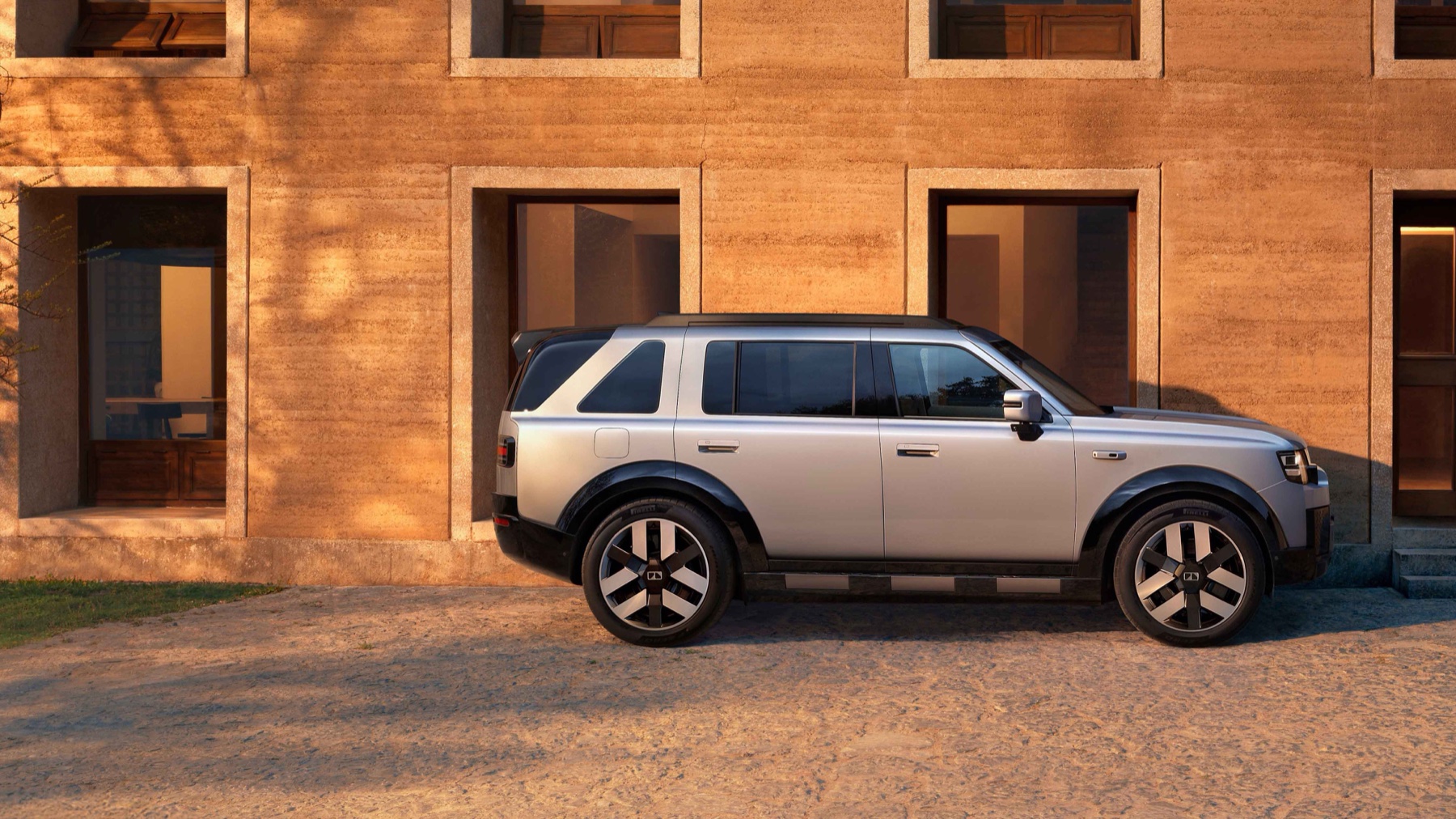
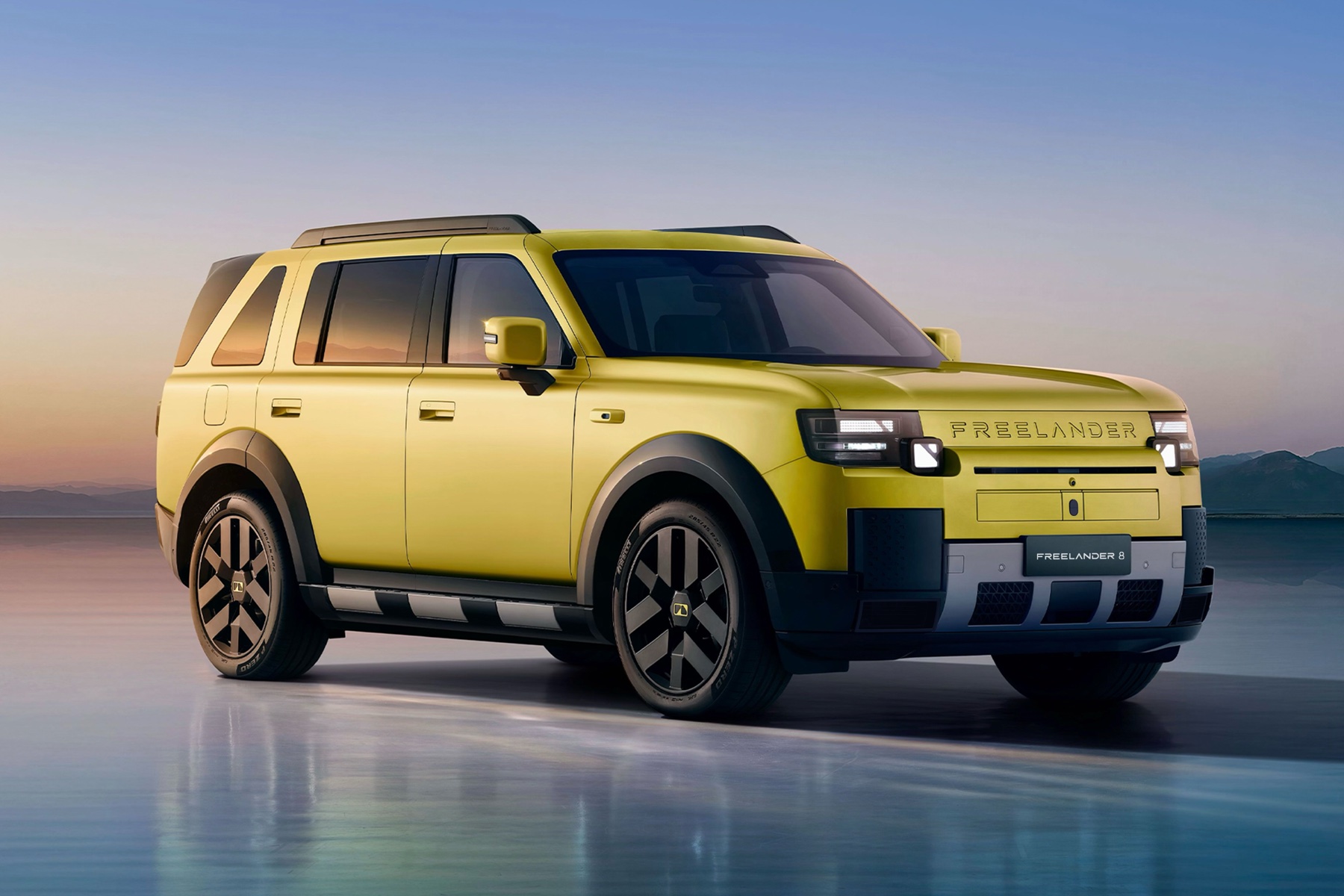
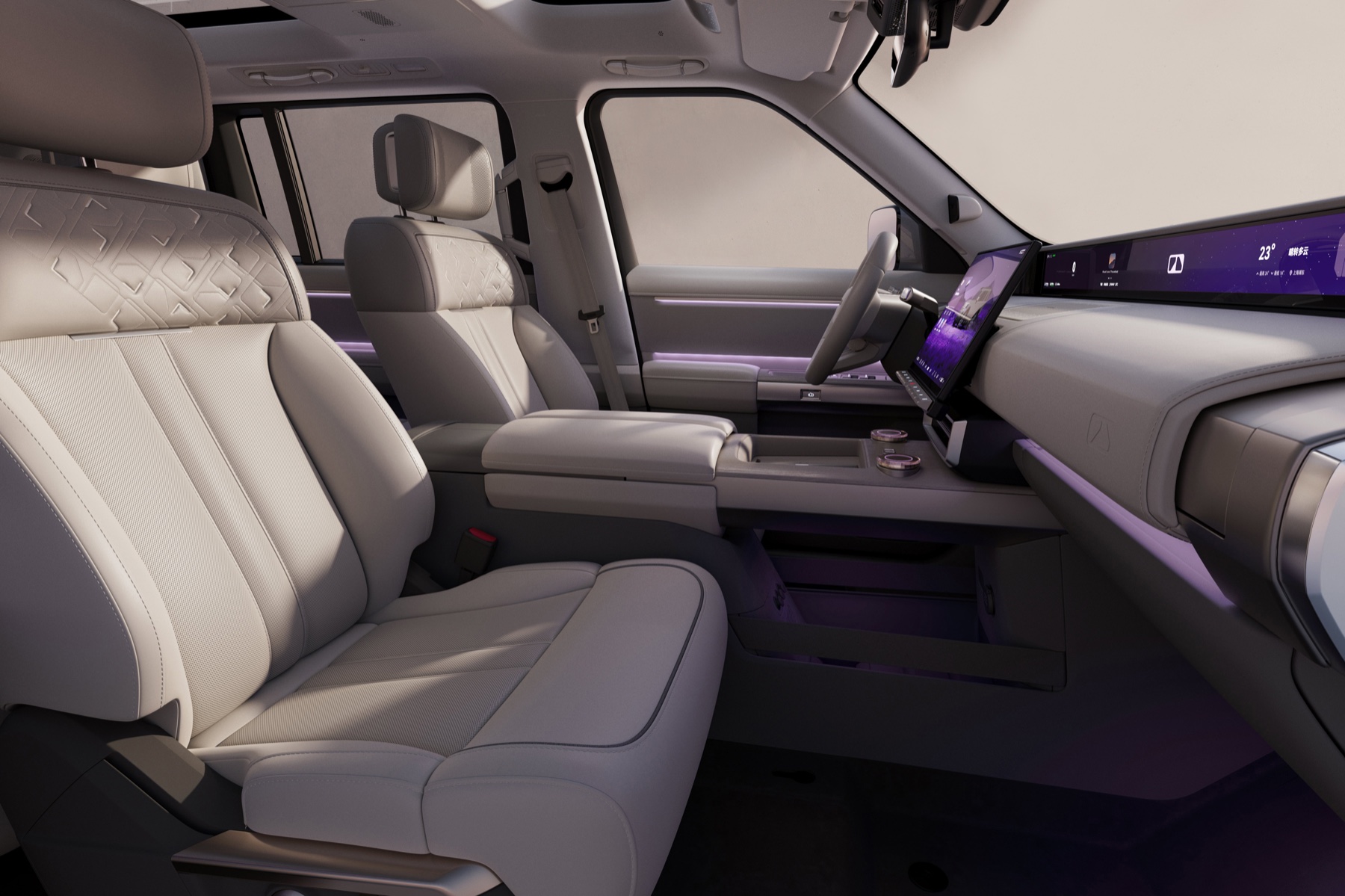
Elsewhere in the family, the Chinese partnership is explicit. The revived Freelander brand combines JLR’s design direction with Chery’s electrified architecture and technology through their joint venture. That is a different arrangement from the Range Rover Electric’s own development programme.
THE RANGE IN RANGE ROVER
The Australian website advertises up to 600km. Local launch reporting identifies that claim as measured under the New European Driving Cycle (NEDC), so it should not be compared directly with figures from the Worldwide Harmonised Light Vehicles Test Procedure (WLTP).
Either way, a laboratory figure is not a promise of highway distance with passengers, luggage and the air conditioning doing its job. Australian touring consumption and a proper charging curve will tell us more.
Range Rover also claims a 900mm wading capability. The intended message is clear: changing the propulsion should not change where a Range Rover can go.
Whether its owner intends to go there is another matter.
THE PRICE OF A QUIETER LIFE
Australian pricing starts at $317,718 before on-road costs for the HSE. Autobiography is $357,718 and SV is $417,418. First local deliveries have been reported for the first half of 2027, with precise timing still to be confirmed.
At this money, refinement is expected. So is dependable ownership.
Electric propulsion removes some of the machinery that needs servicing, but reliability belongs on the list of things to establish over time. A quieter Range Rover is a credible promise. A more reliable one still needs evidence.
What interests us is how naturally the electric proposition fits the car’s purpose. Effortless response. A calm cabin. Plenty in reserve. All the presence people buy a Range Rover for, with less disturbance for the people inside.
We’ll need to drive it to judge the ride, consumption and controls. But the idea makes sense before a wheel turns.
High voltage outside. Volume down inside.
Images: Range Rover / JLR manufacturer publicity photography. Overseas vehicles shown; Australian specification may differ.
Klasse act. Loud applause.
First lookPhotography · BMW Group
The reviews are glowing. Buyers are queuing. BMW’s new iX3 is making a rather convincing case for itself. A proper drive is next.
There’s a lot of noise around the new BMW iX3. For once, much of it appears to be deserved.
We’ve seen it, done the walk-around and sat in it. Next comes the drive.
And if the driving lives up to the promise, BMW may have made life rather awkward for quite a few other car companies.
YES, WE’RE INTERESTED
It would be easy to spend all our time looking at the new arrivals. There are plenty of them, many are very good, and several offer enough equipment for the money to make the established brands uncomfortable.
But we’re interested in good cars, wherever they come from. BMW doesn’t get extra marks for being BMW. It doesn’t lose them either.
The iX3 is the first production car from its Neue Klasse generation. New Class, if your German is rusty. The significance is that BMW has built a new electric architecture around the job, with the battery, charging system, electronics and cabin all part of the same rethink.
That deserves more than a glance at the badge and a joke about the grille. Although we reserve the right to make the joke.
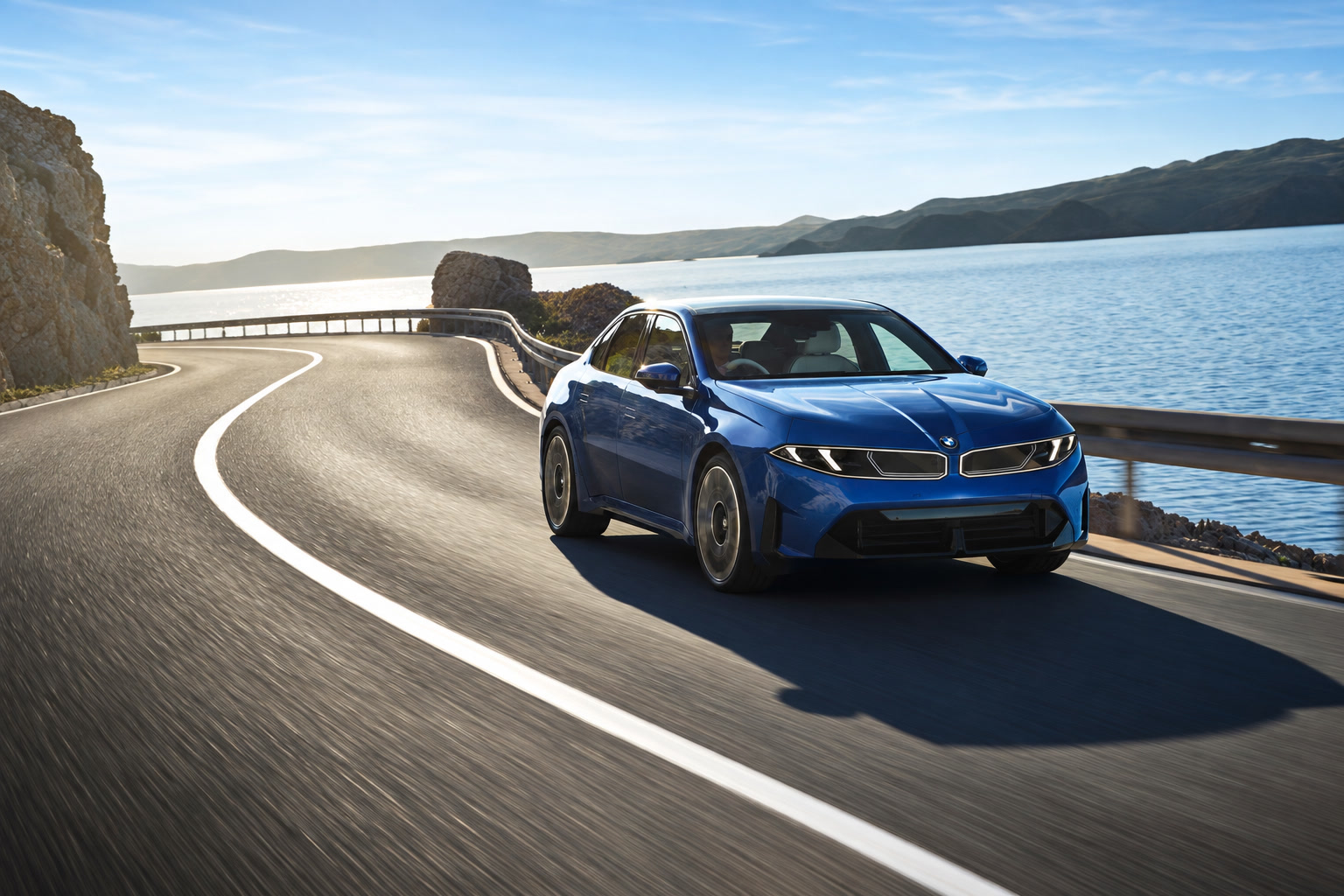
A new electric architecture beneath a recognisably BMW silhouette. Photo: BMW Group.
THE APPLAUSE IS GETTING LOUDER
The positive response extends well beyond one review. Overseas road tests have praised the combination of efficiency, charging performance and driving ability, with major awards following. There are reservations too, particularly about ride firmness and the complexity of the digital cabin. Enthusiasm doesn’t mean unanimity.
What interests us is the breadth of the praise. Straight-line acceleration is almost the entry ticket for a modern electric car. Making something this practical rewarding to drive, efficient over distance and easy to live with is a much more substantial achievement.
Those are the claims we want to put to work on Australian roads. We’ll pay particular attention to the ride, the steering and whether the cabin’s clever ideas remain clever when you’re actually using them.
BUYERS HAVE NOT BEEN SHY
BMW Australia had more than 3,000 iX3 orders by October, according to its local chief executive. Across Europe, BMW reported more than 100,000 new iX3 orders within a year, calling it the group’s most successful model launch to date.
Those are orders, not completed deliveries. A separate confirmed Australian delivery total was not available in the sources we checked. Even with that distinction, this is a substantial vote of confidence in a car that is hardly competing at the bargain end of the showroom.
It is also a useful reminder that a premium price still has an audience when buyers believe the product makes a convincing case.
THE NUMBERS HAVE SOME SUBSTANCE
The iX3 50 xDrive combines two motors and all-wheel drive with 345 kilowatts (kW) of power. BMW quotes 0–100km/h in 4.9 seconds. That should take care of merging.
More interesting for a long weekend away is the 108.7 kilowatt-hour (kWh) battery. BMW publishes 678–805km of range under the Worldwide Harmonised Light Vehicles Test Procedure (WLTP), depending on specification. Weather, speed, wheels and load will all influence what you actually get.
Panoramic Vision and the central screen rethink the familiar BMW dashboard. Photo: BMW Group; overseas specification.
Its 800-volt architecture allows a claimed peak direct-current (DC) charging rate of 400kW, with 10–80 per cent quoted at 21 minutes in suitable conditions. The peak is not a sustained charging speed, and the charger and battery conditions matter. But this is serious capability, not a modest update dressed in a new suit.
INSIDE IS WHERE IT GETS PERSONAL
BMW’s Panoramic Vision puts information along the base of the windscreen, while a 17.9-inch central screen handles the main interface. The cabin is a substantial rethink, and an important part of the car’s appeal.
The question is how naturally it all works on the move. Where your eyes go, how quickly you can find an ordinary function, and whether the technology helps without constantly announcing itself.
That is the difference between an impressive showroom demonstration and a car you enjoy owning.
GOOD DOESN’T MEAN CHEAP
The rear-drive iX3 40 starts at a reported $89,900 before on-road costs. The 50 xDrive M Sport is now $112,500 before on-road costs, following a $2,600 increase. Its larger battery and performance figures belong to that more expensive variant.
BMW iX3 50 xDrive on the road at sunset. Photo: BMW Group, overseas specification.
There are cheaper electric family cars. Plenty of them. The question is whether the BMW delivers enough in the way it drives, feels and works to justify the difference.
At this price, the everyday details need to be as convincing as the headline numbers.
For now, credit where it’s due. The reviews have been enthusiastic and the order book is substantial. BMW has given the rest of the field something serious to think about.
A klasse act? There’s certainly enough here to make the competition nervous.
Source note: Australian order figure: BMW Australia chief executive Vikram Pawah, reported by GoAuto on 19 October 2026. European order figure: BMW Group’s 13 October 2026 sales release. These are orders, not deliveries. Review context draws on several publications linked below; this article records a first encounter ahead of our road test. Range and charging figures are BMW claims. Prices exclude on-road costs and options.
Photos: BMW Group, international media launch in Spain. Overseas specifications shown.
Jaguar. Loud without an exhaust.
The Type 01 is a 1,015hp electric wager on design, drama and very wealthy buyers. Its engineering deserves attention. So do its size, weight and unanswered Australian price.
Jaguar has finally shown the car that must turn a controversial reinvention into a business.
The Type 01 is a four-door electric grand tourer with a long bonnet, no rear window and proportions that seem designed to make every nearby car look underdressed. Credit where it is due: Jaguar has resisted the safest possible answer.
The engineering is not shy either. Road & Track reports three motors producing 1,015hp, about 757kW, with 1,007lb ft of torque. Jaguar claims more than 400 miles, or 644km, on the pending US EPA test from a 120kWh usable battery. It also claims that 200 miles, or 322km, can be added in 13 minutes under suitable conditions.
Jaguar Type 01, rear view.
Those are manufacturer figures, not WattCar test results. The certified range, charging curve and repeat performance still matter.
So does mass. Road & Track lists a kerb weight of 5,950lb, roughly 2.7 tonnes. This is a lot of car to move, stop and place on a road, even with rear-wheel steering and active torque vectoring.
The exterior size does not automatically buy limousine space. At Road & Track’s static preview, a 1.75m writer found adequate room, while a 1.91m attendee reportedly found both rows tight. Top Gear reached a similar conclusion, describing the Type 01 as a four-door 2+2 whose dramatic roofline and enormous bonnet trade space for theatre. Those are attributed preview observations, not our own.
The Type 01’s long, low silhouette.
US pricing starts around US$130,500. Jaguar’s Australian site now features the Type 01 and invites people to register for updates, but it does not publish an Australian price, order date or local specification. Currency conversion would create a number, not a local price.
The useful question is not whether everyone likes it. Jaguar plainly does not expect that. The question is whether enough buyers will accept the weight, packaging and price because the design makes them feel something.
That is a difficult trick for any luxury car. For a reborn, all-electric Jaguar, it may be the whole job.
$60,000 EV. $23,000 saving. Seriously?
Why a novated lease deserves a look before you buy.
Novated leasing has always required a calculator, a payslip and, ideally, a lie down afterwards.
Electric cars changed the equation.
Under Australia's electric-car FBT exemption, an eligible battery electric vehicle can be provided through salary packaging without the fringe benefits tax that would normally apply to a car benefit.
That matters. A lot.
Because instead of paying for the car and many of its running costs from income you've already paid tax on, an eligible arrangement can move much of that cost into pre-tax salary.
A simple example
Take a new eligible EV costing $60,000. Assume a five-year novated lease, a driver on a salary where the tax benefit is meaningful, and typical packaged running costs.
Compare that with buying the same car privately from after-tax income and paying the same running costs yourself.
Depending on salary, finance rate, kilometres, fees, state charges and the actual package, the difference over five years can run into tens of thousands of dollars.
Around $23,000 in the right example? Yes, it can happen.
But that number is not a universal discount on a $60,000 EV. It is the estimated tax-and-cost difference between two ways of paying for and running the same car, under a particular set of assumptions.
WATT DOES THAT MEAN?
A novated lease doesn't make the car $23,000 cheaper at the dealership.
The advantage is created over time through salary packaging and, for an eligible EV, the FBT exemption. Your result depends heavily on your income, the lease quote and how you use the car.
Why EVs get special treatment
Normally, a car provided for an employee's private use can create a taxable fringe benefit. The statutory formula commonly uses 20% of the car's base value before employee contributions.
Eligible electric cars are exempt from FBT under the current rules. That is the big lever.
The exemption is subject to eligibility rules, including the vehicle's first-use date and the luxury car tax threshold rules for fuel-efficient vehicles. Plug-in hybrids generally stopped qualifying for new arrangements from 1 April 2025, subject to transitional rules.
There is still a bill at the end
A novated lease is not free money and it is not free finance.
At the end of a five-year lease there will generally be a residual value if you want to own the car. For a five-year car lease, the ATO minimum residual benchmark commonly used is 28.13% of the original cost.
On $60,000, that's roughly $16,878, before any applicable tax treatment or transaction costs.
You can pay it, refinance it, sell the car and settle it, or potentially move into another arrangement. The exact options depend on the lease.
So is it actually a good deal?
Sometimes, emphatically yes.
Sometimes the tax advantage is quietly eaten by an expensive finance rate, administration fees, inflated insurance, unrealistic running-cost budgets or a poor vehicle price.
That is why the headline saving is not the number WattCar would look at first.
We'd ask: what does the car actually cost you, all-in, over the full term?
Get the lease provider to show you the vehicle price, finance rate or total finance cost, every fee, running-cost assumptions, total pre-tax deductions, any post-tax deductions and the residual. Then compare that with buying the same car another way.
THE WATTCAR VIEW
The FBT exemption can make an eligible EV unusually tax-efficient.
But don't buy the saving. Buy the car.
If the EV is right for you anyway, novated leasing can be a very powerful way to pay for it. If the car is wrong, a tax concession doesn't suddenly make it right.
This is a general explainer, not personal tax or financial advice. Novated-lease outcomes vary with individual circumstances and package terms. Check the current ATO rules and your own quote before making a decision.
Peak petrol?
BY WATTCAR
Australia now has fewer conventional petrol vehicles on its roads. Worldwide, combustion-car sales peaked years ago. What does that tell us about the cars we’ll buy next?
The most revealing number in Australia’s electric-car transition is not another monthly sales record. It is a subtraction: 115,774 fewer conventional petrol vehicles on the national register in a year.
That is a turning point for buyers. It also raises a bigger question about what comes next. Will batteries and hybrids do all the work, or could hydrogen, alternative fuels and new technology change the direction again?
The answer affects more than the next showroom purchase. Cars remain on the road for years, while charging networks, fuel supplies and new vehicle platforms take time to develop. A technology can be promising without yet being practical for every driver.
This report examines the fleet, the global shift, competing technologies, ownership costs and the conditions that could accelerate adoption. The change is real. Its speed, geography and eventual winners remain contested.
First, the Australian turning point.
The Bureau of Infrastructure and Transport Research Economics (BITRE) revised series puts conventional petrol registrations at 14,627,878 in January 2025 and 14,512,104 in January 2026, a fall of 0.8%. These are all registered motor vehicles, with hybrids and plug-in hybrids counted separately. Australian fleet data.
WATTCAR DATA
Australia’s petrol fleet turns down.
Conventional petrol vehicles registered nationally each January, in millions. Hybrids and plug-in hybrids are separate.
115,774 fewervehicles in a year, down 0.8%
Vertical scale starts at 14.50 million to show the change. One annual fall does not establish a permanent peak.
Chart: WattCar. Data: BITRE, Table 4, revised series in the January 2026 release.
View exact figures
Registered conventional petrol vehicles
January
Vehicles
2024
14,619,122
2025
14,627,878
2026
14,512,104
That distinction matters. Diesel registrations increased 3.5% over the same year, while hybrids also grew. We have evidence of a shrinking conventional petrol fleet, not a shrinking population of every vehicle with an engine. One annual decline cannot establish an irreversible peak.
Nor does the change mean an existing petrol car becomes useless. Buyers still need practical vehicles, used-car buyers still need affordable stock, and many households cannot replace a car simply because a better technology exists. Fleet turnover follows household budgets as much as engineering progress.
The world has already moved past peak combustion sales.
The International Energy Agency (IEA) identifies 2017 as the peak for global conventional combustion-car sales. Its 2026 outlook does not see those sales regaining that level in any of its scenarios. Electric vehicles (EVs), including plug-in hybrids (PHEVs) in the agency’s car-sales figures, exceeded 20 million sales in 2025, one quarter of the market. IEA outlook.
WATTCAR DATA
One in four new cars has a plug.
Plug-in share of new-car sales in 2025. Battery electric cars and plug-in hybrids combined.
Chart: WattCar. Data: IEA, Global EV Outlook 2026. China’s bar is rounded to 55%. These are sales shares, not shares of vehicles already on the road.
China and Europe illustrate why there is no single worldwide timetable. Plug-ins approached 55% of Chinese new-car sales in 2025 and reached 28% in Europe. China’s manufacturers operate in a market where competing on electrification is already central to the business, rather than an optional extension of it.
Software, battery sourcing, development speed and cost become competitive strengths alongside ride, reliability and manufacturing quality. The engineering challenge expands. An established name can retain excellent factories and lose customers because its new products arrive too late, cost too much or feel a generation behind.
The transition also stalls and reverses locally. Global electric-car sales fell 8% in the first quarter of 2026 after policy changes in China and the United States, even as Europe grew strongly. That is a warning against extrapolating one exceptional month into a straight line. IEA market update.
“Electric car sales set new records in close to 100 countries last year.”
What should buyers choose now?
Start with the journeys you make, where you park and what you can afford. A suburban household with home charging faces a different decision from an apartment resident relying on public chargers. Regional drivers need dependable stops on their actual routes. The best choice has to work on an ordinary Tuesday as well as in a brochure.
Battery electric: charging access changes the calculation.
A battery-electric vehicle (BEV) stores electricity to power its motor. It has no exhaust emissions while driving, although manufacturing and electricity generation still have environmental impacts. Range varies with speed, weather and load. How battery-electric vehicles work.
Charging while parked at home or work can make ownership convenient and inexpensive. Without that access, check public charging prices, reliability and locations before buying. Compare the whole ownership bill, including insurance, finance and likely depreciation, rather than energy costs alone.
Hybrids and range extenders: check how you will use them.
A conventional hybrid electric vehicle (HEV) combines an engine, motor and battery without plugging in. A plug-in hybrid has a larger rechargeable battery; regular charging is central to getting its electric benefit. Neither label guarantees the cheapest ownership. Hybrid systems and plug-in operation.
An extended-range electric vehicle (EREV) typically drives through an electric motor, with an engine generating electricity when needed. Some designs can also connect the engine to the wheels. A plug-in range extender remains part of the plug-in hybrid family. Check fuel use and sustained performance after the usable battery charge runs out, as carefully as the advertised combined range.
Hydrogen and alternative fuels: useful possibilities, practical hurdles.
Hydrogen fuel-cell cars generate electricity onboard, but buyers need dependable refuelling. Emissions and cost depend on producing and delivering the hydrogen, not just the clean exhaust. A fleet with its own fuel supply faces a different proposition from a private owner travelling interstate. Hydrogen’s fuel pathway.
Synthetic fuels could serve compatible combustion vehicles, but production requires energy and investment. The International Energy Agency highlights aviation and shipping as important applications. Biofuels already contribute, with benefits dependent on feedstock and production. Neither is a reason to assume cheap replacement petrol will arrive at every bowser. Check actual availability and vehicle compatibility. IEA e-fuels report and biofuel research.
Better batteries are coming. Buy on what is available.
Solid-state and sodium-ion batteries are developments within electric motoring. Promising research still has to become a durable, affordable production battery with a credible warranty. Compare the car and support available today; an unspecified breakthrough has no reliable delivery date. IEA battery assessment.
Our expectation is that battery-electric vehicles and hybrids will do most of the near-term work in Australian passenger-car electrification. Other technologies may find valuable roles. For buyers, the test is the complete package: vehicle, energy, infrastructure and ongoing support.
Australia is an open showroom for the global contest.
The Electric Vehicle Council (EVC) reports 157,957 plug-in sales in the first half of 2026: 103,716 battery-electric vehicles and 54,241 plug-in hybrids. Together they represented 25.8% of new-vehicle sales, compared with 12.1% a year earlier. These are industry-body figures, and its plug-in definition includes PHEVs. State of EVs 2026.
The difference between sales and the fleet remains crucial. A fast-growing new-car segment can reshape showrooms and manufacturer investment long before it dominates the vehicles Australians actually drive. BITRE’s January snapshot and the EVC’s later sales reporting describe different dates and measures; they should not be blended into a single series.
Australia’s New Vehicle Efficiency Standard (NVES) adds commercial pressure by applying fleet-average emissions targets to suppliers of new light vehicles. It does not require every buyer to choose an EV. It changes which product mix manufacturers can profitably supply. How NVES works.
That creates an opening for manufacturers able to land a well-priced, well-supported car quickly. For an established importer, the challenge extends beyond matching a specification sheet. Finance, resale confidence, dealer service, parts supply and warranty handling must justify any price premium.
Consumers can gain from competition without assuming every new badge will succeed. A low transaction price is attractive; dependable support over years is valuable too. The market battle will be won in ownership as well as advertising.
Petrol prices make the decision tangible.
The Australian Competition and Consumer Commission (ACCC) report published on 13 November puts average regular unleaded petrol in the five largest cities at 219.2 cents a litre on 11 November. Regional locations averaged 236.9 cents. The five-city price was down 13.5 cents over the week, but still 48.3 cents above 20 February. ACCC monitoring.
That is volatility, not a permanent petrol-price forecast. International refined-fuel benchmarks, the Australian dollar, tax changes and local retail cycles all affect the bill. A structural decline in demand does not guarantee a gentle decline in prices if supply is disrupted or production adjusts.
For a household, the more useful comparison is dollars per kilometre under realistic charging conditions. The following is our worked example, using the five-city petrol observation and explicitly assumed consumption and electricity prices. Distances are in kilometres (km), fuel in litres (L), and electricity in kilowatt-hours (kWh).
WattCar worked example: energy cost per 100km
Example
Assumption
Cost / 100km
Petrol car
7L at $2.192/L
$15.34
Efficient hybrid
4.5L at $2.192/L
$9.86
BEV, home charging
18kWh at $0.30/kWh
$5.40
BEV, public charging
18kWh at $0.70/kWh
$12.60
Illustrative assumptions, not measured vehicle results or quoted electricity tariffs. Electricity use is energy purchased, including charging losses. Purchase price, finance, insurance, servicing, depreciation and charger installation are excluded.
At 15,000km a year, those assumptions give the home-charged BEV about $1,490 in annual energy savings against the petrol example. With all charging at the assumed public rate, the saving falls to about $410. The public-charged BEV costs more in energy than the efficient hybrid in this example.
That is why “EVs are cheaper” needs an address and a tariff. Purchase price remains important, and a cheaper used petrol car may still be the affordable choice. A buyer who can charge at home has a different calculation from a renter reliant on public charging. The transition becomes broader when the financial case works for both.
Peak petrol is not automatically peak oil.
New-car sales, vehicles on the road and litres consumed are separate measures. The IEA says China’s petrol and diesel demand was virtually unchanged in 2025, despite economic growth. Road fuel demand was also flat across advanced economies, while total global oil demand still increased. Aviation and petrochemical demand help explain the difference. IEA energy review.
Oil remains embedded in freight, aviation, shipping and industry. Electrifying passenger cars reduces one important source of demand; it does not remove all the others. And reduced exposure to imported petrol brings its own requirements: reliable electricity, charging access and secure battery supply chains.
A J-curve, an S-curve, or something messier?
Early adoption can look like a J: a long period of limited uptake followed by a steep rise. More attractive products bring more buyers; larger volumes can improve costs; more owners support charging investment; better charging makes the next purchase easier.
But a market share cannot grow exponentially forever. Adoption across a complete market is better thought of as an S-shaped process: slow beginnings, faster expansion and eventual flattening as the remaining buyers become harder to serve. Countries and vehicle segments sit at different points on that path.
Manufacturers face another possible J-curve: upfront spending and restructuring depress returns before a new product business becomes profitable. The recovery is conditional. If the vehicles are late or uncompetitive, the upward leg never arrives. Calling every loss an investment in the future is not enough.
The fleet follows more slowly again. Every new EV joins a much larger installed population, and many serviceable combustion cars remain in use. These three curves explain how an industry can experience rapid technological change, slow physical replacement and weak profits at the same time.
What the forecasters actually predict.
The IEA’s 2026 outlook projects 23 million electric-car sales, or 28% of global new-car sales, this year. Its exploratory scenarios put electric sales around 50% in 2035. These are projections, and the agency explicitly identifies price, policy and the energy crisis as important influences. IEA scenarios.
The June outlook from BloombergNEF (BNEF) projects a similar 27% global sales share for 2026 and about 52% by 2035. It expects global road-fuel demand to peak in 2029, while electric passenger vehicles do not outnumber combustion vehicles on the road until 2047. Those last two dates describe different measures, not a contradiction. BloombergNEF outlook.
“the longer-term trend towards electrification remains intact”
BNEF also reduced its adoption outlook for a second consecutive year. That matters as much as the headline growth forecast. Analysts can agree on direction while revising the speed, particularly when incentives, emissions rules or affordability change.
What WattCar expects next.
Our base case: plug-in cars become the normal next-car consideration for many more Australian households through the rest of this decade. Conventional petrol loses further new-car share, while hybrids retain a substantial role. Battery-electric models strengthen fastest where purchase prices are competitive and charging is easy.
We expect different technologies to coexist as buyers replace cars at different speeds. The pace will depend on purchase prices, access to energy, dependable support and vehicles that suit the job. Progress in alternative fuels or hydrogen could broaden the choices without reversing the growth of electric drive.
The faster path: affordable models, reliable public charging, easier apartment charging and sustained fuel-price pressure reinforce one another. Used EV supply broadens access. Buyers choose electricity because the whole package works, and manufacturers redirect investment accordingly.
The slower path: weak resale values, expensive insurance, poor support, charging frustrations or cheaper petrol delay purchases. Policy changes can reinforce the pause. Hybrids benefit, and EV sales may grow unevenly even while conventional petrol loses longer-term relevance.
Our forecast is an editorial judgment, not a numerical sales model. We are more confident in continued electrification than in a particular year when Australia passes 50% plug-in sales. We would judge the pace through sustained rolling sales shares, transaction prices, charging reliability and repeat purchases, rather than a single record month.
For buyers, the practical approach is to compare the car and its ownership costs now. A future technology should earn its place through a useful vehicle and a dependable energy supply, rather than a promise that asks the buyer to overlook today’s limitations.
Good looking. So is the price.
A handsome silhouette, with the proportions to make seven seats look natural.
The BYD Sealion 8 brings seven seats, plug-in power and a $56,990 starting price before on-road costs. A handsome family SUV, with a price worth a second look.
A handsome family SUV is one thing. A handsome family SUV that starts at $56,990 before on-road costs is worth a longer look.
The BYD Sealion 8 has the proportions, the seven seats and the substantial cabin that get it into the conversation. The price is what could keep it there. This is a plug-in hybrid electric vehicle (PHEV): charge it for ordinary local running, with a petrol engine available for journeys beyond the battery.
That combination will appeal to families who can charge at home but are still reluctant to make their only car fully electric. Whether it is right for you depends less on the badge than on your parking, your daily distance and how often all seven seats are occupied.
A family SUV you might choose for its looks.
To our eyes, the Sealion 8 is one of BYD’s more resolved designs. The slim lighting, long roof and restrained surfacing give it presence without the heavy-handed aggression that seems compulsory on some large SUVs. In the darker colours, it looks particularly convincing.
The useful question is whether that showroom appeal survives a family weekend. Bring the people who will use the back seats, and the things you need to carry. A photograph can sell the shape. It cannot tell you whether your child seat, pram and teenager will all coexist happily.
A restrained shape with a distinctive rear lighting signature.
The price is part of the attraction.
BYD’s Australian configurator lists three grades, in tidy $7,000 steps. Dynamic FWD starts at $56,990, Dynamic AWD at $63,990 and Premium AWD at $70,990. Those are list prices, not drive-away totals. Registration, other on-road costs, paint and accessories can change the bill.
BYD Sealion 8 Australian list prices. Before on-road costs, paint and accessories.
Grade
List price
Battery
Claimed electric range
Dynamic FWD
$56,990
19 kWh
103 km NEDC
Dynamic AWD
$63,990
35.6 kWh
152 km NEDC
Premium AWD
$70,990
35.6 kWh
152 km NEDC
The entry model buys the seven-seat format without forcing you into the top grade. That matters: a family shopping for space should not have to buy the fastest version simply to get the extra row.
Dynamic AWD adds more than another driven axle. Its battery grows from 19 to 35.6 kilowatt-hours (kWh), while claimed electric range rises from 103 to 152 kilometres under the New European Driving Cycle (NEDC). These are laboratory figures, not promised commuting distances, and should not be compared directly with Worldwide Harmonised Light Vehicles Test Procedure (WLTP) figures used by many rivals.
The AWD versions also have a claimed 359 kilowatts (kW) of combined power and 0–100 km/h in 4.9 seconds, against 205 kW and 8.6 seconds for the front-wheel-drive model. Plenty of family SUVs sell you reassurance. This one also sells you a rather brisk school run.
For us, Dynamic AWD is the version to investigate first if the budget reaches it. The larger battery could make more of your ordinary week electric. The performance is the extra, rather than the reason a family needs to spend more.
Premium AWD keeps that battery and powertrain, then adds the indulgences: an upgraded sound system and massage functions among them. Lovely things to have, but they will not extend your electric driving. Decide whether the comfort equipment is worth the next $7,000 to your household.
The right-hand-drive cabin. Equipment varies by grade.
Seven seats. Bring your seven-seat questions.
Seven seats are useful only when the last two suit the people who need them. Check the step into row three, where knees go when row two is occupied, and what happens to access once child restraints are fitted.
Then put your normal luggage in the remaining boot. BYD advertises a maximum 1,960 litres, but maximum cargo figures describe a different seating arrangement from carrying seven people. Do not let a big seats-folded number answer the wrong family question.
Three-zone climate control and vents serving all three rows are welcome on paper. They are worth checking from the back seat during the test drive, too. The person in the final row deserves more than whatever air eventually wanders past the front passengers.
The second row, not the third. Take your family to check the seats and access you will actually use.
The cabin photographs make a persuasive case. There is a broad, uncluttered dashboard and enough visual restraint to feel a step beyond purely functional family transport. Our selection shows the right-hand-drive layout, rather than an overseas steering wheel on the wrong side.
But a screen size is not a usability verdict. Try changing the temperature, finding the camera view and pairing your phone. Do it while parked, then consider what would demand a glance away from the road. A few familiar journeys tell you more than a list of display dimensions.
The plug is there to be used.
A plug-in hybrid makes its strongest case when plugging in becomes routine. If you can replenish the battery where the car normally sits, the electric side can do useful everyday work. If you rarely charge it, you are carrying battery hardware without making full use of it.
BYD’s Australian specification sheet lists 11 kW alternating-current (AC) charging across the range. Direct-current (DC) limits are 40 kW for Dynamic FWD and 74 kW for the AWD grades. Those are vehicle acceptance ceilings, not charging-time guarantees.
Public charging can therefore be useful, but compare the cost and the stop with simply charging at home. A large peak number on the charger does not make the car accept that power. And a petrol engine does not remove the need to think about efficiency when the usable battery charge is low.
Plugging in regularly is central to the ownership case.
The family test comes next.
Before buying, get a written drive-away quote and compare like with like: the grade you actually want, the same registration location, and any paint, charger installation or accessories you plan to add. Check the current Wattchdog offers separately, rather than assuming every promotion can be combined.
Test the Sealion 8 against the seven-seat alternatives on your own shortlist, including conventional hybrids and fully electric models. The right comparison is the complete family package: access, luggage, charging, insurance and the final price. A cheaper headline is a good start, not the entire ownership calculation.
Seven seats and petrol backup, with an electric side worth using. Manufacturer overseas imagery.
The WattCar take.
Our view: the Sealion 8 has enough design appeal to earn attention without the price tag doing all the work. Add the entry price and the bigger-battery AWD option, and it becomes a serious family-car consideration.
Dynamic FWD is the budget starting point. Dynamic AWD is our on-paper sweet spot. Premium AWD is the treat-yourself choice. We would still want the family aboard and a proper drive before calling any of them your next car.
Good looking? We think so. And the price is doing a very good job of keeping up.
Editorial note: This is a research-based buying feature, not a firsthand WattCar road test. Manufacturer range, performance and charging claims depend on conditions and specification. Some overseas imagery may be shown; equipment and finish can differ. Sources: BYD Australia’s model page, Australian configurator and MY26 specification sheet.
ZEEKR 7GT: worth waiting for?
An electric wagon with a sporting brief. Finally, something that doesn’t answer every question with another SUV.
There are plenty of electric SUVs to consider. The ZEEKR 7GT asks a rather appealing question: what if you would prefer a wagon?
The long roof and lower stance are the attraction before we get anywhere near a specification sheet. A car can look purposeful without looking as though it is about to climb a mountain.
ZEEKR’s Australian website already has a 7GT model page and a registration-of-interest form. That is a useful local signal. The fine print is equally useful: registering is not an order and does not guarantee availability or priority.
So this belongs on the watchlist, rather than in a promise about what you can collect next week.
There is substance to investigate. The Australian page advertises a 10–80 per cent charge in as little as 15 minutes using a 420kW charger, limited to the Long Range RWD and Performance AWD versions. It also describes 20-inch GT wheels with Michelin Pilot Sport EV tyres.
Those are manufacturer claims and equipment descriptions, not WattCar test results. The site cautions that specification and availability can vary by market. We would want the final Australian specification before treating the preview as the showroom car.
The sporting promise still needs a proper road test. Photo: ZEEKR; overseas model shown, Australian specification may differ.
A charging headline is a starting point. How often will a buyer find the right charger? What battery conditions does the claim require? What happens during a normal stop on a route you actually drive?
The wagon shape raises its own questions. How useful is the load space with real luggage? Can adults settle comfortably in the back? Does a low-looking roofline make everyday access awkward? We need the Australian car to answer those properly.
And the sporting promise needs a road. Steering feel, ride comfort and tyre noise cannot be settled by a photograph, however handsome the photograph happens to be.
A closer look at the preview car's wheel and brake hardware. Photo: ZEEKR; overseas equipment shown.
We are deliberately leaving a speculative Australian price and delivery date out of this story. As checked on 16 October, the local page remains an expression-of-interest destination. Confirm the current offer, final equipment and delivery terms with ZEEKR before making a purchase decision.
Worth waiting for? Worth keeping on the shortlist, certainly, especially if your ideal EV has a long roof rather than a tall one.
Worth postponing a car you need now? That needs a confirmed local deal, a proper look inside and a drive.
The 7GT is one of the cars we are watching in Watts Next. Follow the section for it and the other arrivals that could make the Australian choice more interesting.
Manufacturer photograph: Polestar. Specification shown may differ.
WORTH A LOOK
Polestar 3. A $14,400 reason to look again.
The Polestar 3 has the proportions and restrained Scandinavian design to make a luxury SUV feel special. We like its clean cabin and generous space: an appealing combination for buyers who want a premium electric car with some presence. Now there’s another reason to put it on the shortlist. Polestar is contributing $14,400 towards eligible MY27 Dual motor and Performance drivetrain upgrades. If you were already considering the step up from rear-wheel drive, this is an offer worth a closer look.
Upgrade contribution, not cash back. Order by 31 December 2026; delivery by 31 January 2027, or within one month of arrival for built-to-order cars. Any upgrade cost above $14,400 is payable. Excludes government, rental, fleet and novated leases; cannot combine offers. Subject to Polestar’s terms.
The cars, the claims and the cost of going electric. We explain what deserves your attention.
Should you ever pay full price for an EV?
Australia has become one of the most spoilt EV markets in the world for choice. That’s great for buyers. It could get uncomfortable for everyone trying to sell us one.
Not very long ago, buying an EV in Australia involved a fairly short shopping list.
Tesla was the obvious starting point. There were a handful of alternatives from established manufacturers. Prices were high. Choice wasn’t.
That has changed. Dramatically.
Today, Australian buyers can choose from an extraordinary collection of electric cars from China, Korea, Japan, Europe and America.
Small cars. Big cars. Sedans. SUVs. Utes. Family cars. Luxury cars. Performance cars. Cars from brands we’ve known forever and others most Australians couldn’t have named two years ago.
And more keep coming.
For a relatively small new-car market at the bottom of the world, Australia has become one of the most spoilt EV markets in the world for choice.
We should probably enjoy it.
Because there’s another side to all this choice.
Every one of those cars needs a buyer.
And suddenly a lot of manufacturers are chasing the same people.
The deals are getting serious
Spend a little time shopping for an EV and it doesn’t take long to notice something.
The advertised price is increasingly only the beginning of the conversation.
Because while some manufacturers are throwing considerable money at getting cars onto Australian roads, others aren’t budging.
And neither necessarily tells you whether the car is any good.
The numbers game
A big discount doesn’t mean a car is any good.
It certainly doesn’t suggest it’s bad either.
That’s the point.
For some manufacturers, particularly newer brands trying to establish themselves here, the immediate objective may not be making the maximum amount of money from every car.
Every car sold is another car being seen. Another owner talking about it. Another unfamiliar badge becoming slightly more familiar.
For a new brand, that matters enormously.
Selling 10,000 cars at a little less margin might be considerably more valuable than selling 3,000 at full price.
That’s not necessarily desperation.
It can simply be the numbers game.
Sometimes there are just too many cars
Of course, sometimes a deal really is about stock.
Cars are expensive things to leave sitting around.
And EVs have another problem. The market is moving incredibly quickly.
A new model arrives with more range, faster charging and more equipment. Six months later something else turns up offering much the same thing for thousands less.
Yesterday’s perfectly good EV can suddenly become today’s difficult piece of inventory.
That's when things can get interesting for buyers.
A manufacturer might offer thousands in cashback. A dealer might sharpen the drive-away price. Cheap finance might appear. An outgoing model might suddenly come loaded with equipment.
The car hasn’t necessarily become any worse.
It may simply have become much cheaper.
And therefore, perhaps, considerably better value.
Then there are the ones that don’t need to
At the other end of the market are cars people actually seem keen to get their hands on.
If demand is strong and supply is constrained, why discount?
Zeekr is an interesting example.
Its 7X arrived in one of the most competitive parts of the Australian EV market, surrounded by alternatives and with another unfamiliar Chinese badge to establish.
Yet if the cars are finding buyers without big incentives, there’s little reason to start throwing money at them.
That’s economics.
If you’re selling the cars you’re bringing in, knocking thousands off them doesn’t make much sense.
Which means paying full price doesn’t necessarily mean you’ve done a bad deal either.
If a $60,000 car is genuinely good value at $60,000, it doesn’t suddenly become poor value because somebody else has put a $5,000 factory bonus on theirs.
Don't confuse price with product
This may be the most important part.
A discount is not a review.
It doesn’t tell you whether the car is good.
And it certainly doesn’t tell you it’s bad.
A manufacturer might discount an excellent car because it wants volume. Another might hold firm because demand is strong. One might be clearing old stock. Another might subsidise finance instead of cutting the sticker price. A newcomer might effectively be buying market share.
And occasionally, yes, somebody may simply have too many cars.
Don’t judge the car by the discount. Judge the discount by why it’s there.
So, should you ever pay full price?
Yes.
But know why you’re doing it.
Before buying any EV, check what the manufacturer is offering. Look beyond the headline price. See whether the model is about to be updated or replaced. Check available stock. Look at finance offers as well as cash discounts.
And find out what else the same money buys.
Because the explosion in EV choice has changed the balance of power.
The manufacturers are competing for you.
Use it.
But don’t buy a discount.
Buy the car.
$5,000 off the wrong car is still the wrong car.
And full price for the right one can still be a very good buy.
WATTCHDOG
We’re keeping an eye on the deals.
Not simply who has knocked the most money off the sticker price, but what’s actually happening in the market.
What’s discounted. What’s negotiable. What’s holding firm. What’s being run out. And what might be worth waiting for.
With this many EVs fighting for Australian buyers, things are going to move.
Manufacturer campaigns we’re tracking. Some are alternatives on the same model and cannot be combined.
Plug-in hybrid: cop‑out or clever choice?
Electric for the everyday. Petrol for the long way. Could a lower purchase price make a plug-in hybrid the smarter choice?
There is a surprisingly emotional argument hiding inside a charging cable.
Buy a battery EV and somebody will ask how you get to the middle of nowhere. Buy a plug-in hybrid and somebody else will ask why you haven’t committed.
Perhaps we could start with the journeys you actually make.
First, the distinction. A conventional hybrid cannot be plugged in. A plug-in hybrid, or PHEV, has a rechargeable battery and electric motor as well as a combustion engine and fuel tank. A battery EV runs on electricity alone.
Before we get lost in the charging argument, there is a more immediate question. What can you afford to buy?
A lower purchase price can be one of the strongest reasons to choose a PHEV over a comparable battery EV. If the cars that meet your needs leave a meaningful gap in the drive-away quotes, that is real money. Fuel savings later do not pay today's deposit.
Why can a PHEV cost less? Its battery usually stores much less energy than the pack in a battery EV of similar size. The petrol engine supplies the long-distance backup, so the car does not need enough battery for every kilometre of a long trip. Less battery capacity can reduce battery-pack cost.
That is the engineering logic, not a universal price rule. A PHEV also needs an engine, fuel system and associated hardware. Battery chemistry, manufacturing scale, equipment, margins and competition all influence the showroom price. Some PHEVs cost more than comparable battery EVs.
The IEA's affordability research makes that market variation clear. Smaller batteries do not guarantee a cheaper car. Compare vehicles that do the same job, at similar equipment levels, using current drive-away quotes rather than a PHEV starting price against a high-spec EV.
Then ask whether the up-front saving survives the ownership calculation. Include realistic electricity and petrol use, servicing, insurance and resale uncertainty. A cheaper purchase can be the deciding advantage, but it is one part of the bill.
The case for a PHEV is strongest when you can charge regularly, most ordinary trips fit comfortably within its usable electric range, and your longer journeys genuinely make an all-electric car difficult to live with. Australian Government guidance also suggests considering a hybrid or PHEV for very remote use.
Picture a weekday commute, shopping and school runs, with charging where you park. Then an occasional regional trip where petrol backup is useful. That is a buying brief worth taking seriously.
A PHEV needs to suit the ordinary week, as well as the occasional long trip. Photo: BYD; model shown for illustration.
Now picture buying the same car and rarely plugging it in.
The Government’s advice is straightforward: regular charging and electric driving are needed to maximise a PHEV’s savings and emissions benefits. The engine still produces tailpipe emissions when it runs. The badge alone does not do the work.
Our view: if charging sounds like a chore you will consistently avoid, stop and reconsider the shortlist. Ask what you are paying for, and how much of it you will use.
A PHEV is not automatically the best answer to having no home charger. Start by checking realistic charging access, then compare it with a conventional hybrid and a battery EV. An inconvenient plug does not become convenient because there is also a fuel flap.
Nor should the decision be made around one holiday. Write down an ordinary fortnight of driving, then the longer trips you actually repeat. Would a charging stop on those trips be acceptable? Is the route served well enough? Would another vehicle suit the unusual job?
Make the dealer show you the relevant numbers for the exact variant: electric range, fuel consumption once the initial charge is used, charging time, servicing requirements and warranty terms. Ask what happens to electric operation with a heavy right foot, heating or a low battery.
Then compare the whole ownership proposition: purchase price, insurance, energy, servicing, space and the experience of driving it. We are not naming a universal cost winner here. Your usage and the particular cars matter too much.
Try the practical details too: driving position, controls and everyday comfort. Photo: BYD; equipment varies by version.
So, cop-out or clever choice?
A PHEV can be a sensible tool for a particular life. A battery EV can be the more convincing answer when its charging and travel demands already fit. Neither needs a moral victory.
Choose the car for the life you lead. Then use the plug if you have bought one.
First the MX-5. Then the Mazda3. Now an electric family hatch has brought Mazda its third World Car Design of the Year award.
Pull up behind a 6e at dusk and you’ll know it’s a Mazda before you’re close enough to read the badge. That thin strip of red light could belong to any number of electric cars. The two round lamps at either end? They give the game away.
The man behind them is Yoshito Iwauchi. He led the design of the 6e, and buried in his account of the project is a photograph we wish more people could see. Three Mazdas, parked side by side, all facing away from the camera. It tells you more about this car than the usual shot of one sweeping through a bend.
From left, RX-7, 6e and Mazda3. Yoshito Iwauchi, Mazda Technical Review, no. 42, figure 10.
A family photograph.
That’s an RX-7 on the left. A Mazda3 on the right. Between them sits the electric 6e. Try covering the badges with a finger. Your eye still goes straight to the two pairs of circles. The rotary sports car, the little hatch and the electric five-door could hardly have less in common mechanically. At a set of lights, they’re family.
Iwauchi says the resemblance was deliberate. What’s lovely is how little of the old cars his team needed to borrow. The RX-7 carries its lights in a dark band. On the 6e, a fine red line runs across the tail and seems to thread the circles together. You can enjoy the shape without knowing a thing about rotary engines. If you did once own an RX-7, well, there’s a little something here for you.
It also answers a fair question. When two companies build an electric car together, where does one partner’s work end and the other’s begin? In Mazda’s case, you can start with the tail-lights. Then follow the light along the doors.
The wake beneath the boat and the sweep of light beneath the doors. Mazda Technical Review, no. 42, figure 6.
A trick of the light.
Look at the white streak beneath the hull in the designer’s illustration. Now look at the streak beneath the doors. The team took its cue from a speedboat throwing spray. Once you’ve seen the two together, a patch of reflected sky on the side of a red car takes on a life of its own.
It was also a solution to a fairly stubborn problem. The 6e grew out of the SL03 architecture from Mazda’s Chinese partner, Changan. The distance between the axles was set. So was the side glass. Iwauchi couldn’t push the front wheels forward or lower the roof until the proportions pleased him. He could change where the light fell.
See how the bright lower panel takes your eye back towards the rear wheel, while the shoulder above it catches a second, softer reflection. Ninety cars were eligible for this year’s design award. We wonder how many of the judges spotted the boat.
The rear-drive 6e. Photograph by Mazda Australia.
Behind the wheels.
There’s another group at Mazda that deserves a mention. Its work is considerably harder to photograph. The European engineering team went back through the suspension, changing the dampers and the bushes that sit between moving parts. They fitted a stronger rear subframe and beefed up the anti-roll bars. A lot of work to hide behind a set of wheels.
Did it pay off here? Australian road tests generally agree the 6e is quiet around town and takes the bumps out of the daily commute. That might sound like modest praise until you think how much of a family car’s life is spent doing exactly that.
We’d take the dealership route that includes the patched-up corner you drive every Tuesday. You already know what your own car does there. Finding out what the Mazda does with the same piece of road is worth more than another sprint away from the lights.
Open the fifth door.
From the side you’d swear it had a conventional boot. Open it and the back window goes up with the lid. You have a much bigger opening to work with, particularly if the object in question is an awkward box and the person helping you pack has already gone back inside.
The tailgate takes the rear window with it. Photograph by Mazda Australia.
Mazda quotes 337 litres below the parcel shelf, including underfloor storage. Fold the rear seats, load to the roof and there’s 1,074 litres. Another 72 litres live under the bonnet. We’d put the charging cable there. The one time you need it will inevitably be the time it’s underneath everything else.
The right-hand-drive Atenza in tan. Photograph by Mazda Australia.
Up front, the tan leather and quilted synthetic suede are good reasons to look at the Atenza. Even the GT gets heated and ventilated front seats and an electric blind for the glass roof. One thing we’d change? Warming the steering wheel means opening the cabin menu and scrolling to the bottom. On a Melbourne winter morning, we’d happily trade a few pixels for a switch.
If you loved your Mazda6.
There’s a particular Australian buyer we reckon Mazda has done a favour. They’ve owned a Mazda6, enjoyed sitting low and liked the look of it on the driveway. Now they want to go electric. Mazda Australia has put something in the showroom for that person, right down to a price that makes a test drive a reasonable proposition.
At the time of writing, Mazda lists the 6e GT from $52,990 drive-away, with premium paint extra. Both GT and Atenza get the same 190 kW motor driving the rear wheels and the same 78 kWh battery. Buy the tan seats if you love them. You get the full driving hardware either way.
The claimed combined WLTP range is 560 km. For a trip, the more useful figure might be Mazda’s estimate of 24 minutes from 10 to 80 per cent on a suitable DC fast charger, conditions permitting. That’s the number we’d pencil in next to the coffee stop.
And if someone asks what you’ve bought, send them a photograph. Take it from the back.
A great car deserves a second opinion.
First registered in Australia before 1 November 2023. That’s the field for WattCar Used Car of the Year. Which used plug-in would we buy with our own money? We’ll name our winner in January 2027.
A car doesn’t stop being a great car because somebody else owned it first. Sometimes, that first owner has simply made it more affordable.
That’s why we’re introducing WattCar Used Car of the Year. A used car we’d spend our own money on.
WHAT ARE WE LOOKING FOR?
A convincing buy today. Not the biggest discount from an ambitious original sticker price. Not the car with the longest equipment list. A car that makes sense once price, condition, battery health and everyday ownership are considered together.
We’ll explain which version to look for, what you should expect to pay and what to check before buying.
Good cars. Sensible money. Eyes open.
WHAT QUALIFIES?
If you can’t plug it in, it isn’t a WattCar.
Battery-electric vehicles, plug-in hybrids and externally chargeable range-extenders can qualify. Conventional hybrids cannot.
The individual car must have been first registered in Australia before 1 November 2023. A 2023 build date alone doesn’t qualify it. We’ll identify the model, variant and year range being considered, rather than award every version wearing the same badge.
It must have been officially sold new in Australia and have a reasonable choice of comparable used examples available. A one-off bargain is interesting. It is not a dependable buying recommendation.
We’ll assess cars against realistic Australian used prices at the time of judging. Battery evidence, service and repair history, remaining warranty, charging compatibility and access to servicing all matter.
Our inspections will distinguish the condition of the particular test car from what we can reasonably say about the model. Any important gaps will be made clear.
A Model 3 advertised for $25,500 makes you look twice. The price gets your attention. The condition decides whether it’s a bargain.
Your first electric car might already have its first owner.
A 2020 Tesla Model 3 Standard Range Plus. An advertised 73,755km. A private seller in New South Wales. An asking price of $25,500, excluding government charges.
That is the listing in a Carsales screenshot supplied to WattCar.
It is enough to make you pause before signing for something new.
It is not enough to tell you whether to buy this particular car. We have not inspected it, tested its battery or confirmed that it remains available. The figure is an asking price captured in the screenshot, not a completed sale or a drive-away quote.
But it is a useful starting point for a much bigger question.
Could the best electric car for your money already have somebody else’s name in its service history?
The attraction is obvious. Depreciation that was painful for the first owner can be rather helpful to the next. A fixed budget may stretch to a larger car, different equipment or a model you preferred but could not afford new.
The sensible comparison is with what that money buys today. The original sticker price is interesting history. It does not settle the current value.
And used does not automatically mean cheapest.
BYD currently advertises the new Atto 1 Essential at $19,990 drive-away for eligible retail buyers, subject to availability and offer conditions.
That smaller city car and a used Model 3 answer different needs. Which is precisely why the comparison is worth making. A new-car warranty and a smaller footprint on one side; the appeal of a larger used sedan on the other.
Ask what you need the car to do before deciding which price looks clever.
The used market is becoming harder to ignore. The Australian Automotive Dealer Association and AutoGrab reported 25,417 used fully electric vehicle sales in the first half of 2026, up 54.6 per cent on the same period a year earlier. The figures are listing-based market estimates, rather than a count of confirmed ownership transfers.
Pickles also reported a record quarter, selling more than 440 used electric vehicles in July–September 2026. Its used EV price index nevertheless eased between May and September. More activity does not mean every car is rising in value, and auction results are not retail asking prices.
For a buyer, the opportunity is choice. The job is to separate an attractive advertisement from a good car.
Start with the battery.
Ask for a battery health report for the actual vehicle, ideally supported by an independent inspection. Battery state of health (SoH) describes remaining capacity relative to its original condition. The age and odometer are useful context, but neither is a battery test.
You can pay a specialist to check it. AVILOO is an independent battery-diagnostics system used by several Australian inspection services. A tester connects to the car’s diagnostic port and produces a report on its high-voltage traction battery, rather than just its small 12-volt battery.
In South Australia, RAA advertises its AVILOO battery health check at $199 for members or $215 for non-members. In Melbourne, RideCheck advertises a mobile battery-only test at $249, with possible travel fees. Sydney Hybrid & Electric Cars in Wetherill Park advertises an AVILOO FLASH test at $275 including GST.
Confirm that the exact model is supported, the location is covered and the quote includes a written report. Ask what the particular test measures: current capacity, cell condition, fault indicators and comparison with similar cars. A quick diagnostic assessment is different from a longer test that measures usable energy during discharge.
Most importantly, this is a health check, not a crystal ball. It cannot promise how many years the battery will last or rule out every future failure. Use the result alongside warranty checks and a full vehicle inspection. A battery-only test does not inspect the rest of the car.
The screenshot lists an estimated 415km range. We would not treat that as a promise of what this six-year-old car will do now. The screenshot does not establish the test cycle, battery condition or the conditions behind that number.
Work out the range your ordinary week needs, then leave room for the longer trip, bad weather and a less convenient charging stop. Confirm that the car’s current capability suits those journeys.
Next, the warranty.
Ask to see the coverage attached to that individual car, its original delivery date and the remaining time and kilometre limits. Battery and drive-unit cover are different from general vehicle cover. Today’s Tesla new-car warranty should not be applied retrospectively to a 2020 car.
Tesla directs owners to the vehicle’s own warranty documents and the Specs & Warranty section of its app. Its additional used-vehicle warranty is for qualifying cars purchased directly from Tesla. A private advertisement is not the same proposition.
Then do the ordinary used-car work.
Arrange an inspection by someone familiar with electric vehicles. Check tyres, suspension, brakes, air-conditioning, charging equipment, repair records and the condition underneath. Try the controls and confirm charging operation. An electric badge does not excuse worn tyres or accident damage.
Check the vehicle identification number against the car and documents. A Personal Property Securities Register search can identify registered security interests and available stolen or written-off information. The official online search costs $2; the register recommends searching on the day before or the day of purchase.
Get an insurance quote for the exact car before deciding what you can afford. Add transfer charges, any immediate repairs and the charging arrangement you will actually use. A headline saving can shrink once the whole bill is on the table.
So, is this $25,500 Model 3 a bargain?
From a screenshot, we cannot say.
Is it the sort of proposition that makes a used electric car worth putting on the shortlist?
Absolutely.
Our view: the strongest used-EV buy is a car whose condition you can establish, whose range and charging fit your life, and whose total cost leaves a worthwhile advantage over the new alternatives you would seriously consider.
If that advantage is small, the certainty of buying new may be worth more. If it is substantial, you may be able to let somebody else absorb the expensive first chapter.
The best new thing in your driveway might not be new at all.
Source note: Listing details are from a screenshot supplied to WattCar; price and availability may change.
Price note: BYD’s offer ends 15 December 2026, with delivery required by 31 December. Availability and eligibility conditions apply; metallic paint costs extra. Battery-test prices are providers’ advertised figures and may change.
The cheapest car. With a plug.
The BYD Atto 1 Essential is $19,990 drive-away. Equal-cheapest new car in Australia. Full stop.
For years, the conversation started with the same objection. Electric cars cost too much.
Well, here’s a small problem for that argument.
The BYD Atto 1 Essential is $19,990 drive-away under the current offer. Not just the cheapest EV. It shares the lowest advertised new-car price in Australia with the petrol MG3 Vibe, whose October cashback brings it to the same figure.
Equal-cheapest car. Full stop.
And Essential doesn’t mean a steering wheel, four tyres and a polite “good luck”.
There’s a 10.1-inch touchscreen, wireless Apple CarPlay and Android Auto, a digital driver’s display and six airbags. BYD’s Blade Battery is part of the package too. The boot holds a claimed 308 litres, expanding to 1,037 litres with the rear seats folded.
More than the price suggests. Photo: BYD; equipment shown may differ from the Essential.
It also has vehicle-to-load capability. With a compatible adapter, the battery can power appliances outside the car. Plug in a coffee machine and you’ve bought Australia’s cheapest EV and accidentally opened a café.
The important compromise is range. The Essential claims 220km WLTP. The Premium’s 310km figure belongs to a different version at a different price. Neither laboratory rating is a motorway promise.
But does every car need to cross the country? School runs, shopping, commuting, the second-car job. A small EV that you can charge where you park deserves a serious look.
We haven’t road-tested it yet. Comfort, safety performance, insurance and running costs still need scrutiny. Cheap gets our attention. It doesn’t automatically win our vote.
Price check: 5 October 2026. BYD requires an order by 15 December and delivery by 31 December; metallic paint costs extra. MG’s matching offer requires sale and delivery in October. Conditions and stock availability apply.
But the price argument has changed.
The cheapest new car can be electric. Now tell me again why an EV is only for people with money.
Zeekr 9X. Business class, by road.
Six seats, a lounge-like cabin and some outrageous technology. The Australian details are the next thing we want to see.
The Zeekr 9X looks less like another family SUV and more like a small executive lounge that has found its own wheels.
Six seats in three rows. Individual chairs in the middle. And an equipment list that suggests somebody in product planning was told to stop being sensible.
For a taste of the ambition, look at Zeekr’s published European specification. The first two rows get heating, ventilation and massage. Second-row passengers have powered leg rests. Finally, a traffic jam with somewhere to put your feet.
Business class without the boarding announcement. Photo: Zeekr; overseas model shown.
There’s a sliding, folding 17-inch OLED entertainment screen and a 32-speaker Naim audio system. Thirty-two. We suspect the children will still insist on their headphones.
Underneath the upholstery is serious engineering: a 900-volt architecture, a 55kWh gross battery and a claimed 660kW combined output. Zeekr targets 0–100km/h in 4.1 seconds for the European Ultra AWD. Quite brisk for a lounge.
The maker also quotes 10–80 per cent DC charging in 9.5 minutes. That’s a claim we’d like to test at a real charger, with a real queue behind us. Charger capability and battery conditions matter.
Dual-chamber air suspension and a LiDAR-based driver assistance system round out the overseas technology story. Assistance is the operative word. The driver still has a job.
A little more than a radio and a glovebox. Photo: Zeekr; Australian equipment remains unconfirmed.
The 9X is an electric-first plug-in hybrid. It has a petrol engine as well as electric motors, so it belongs in the WattCar conversation without being a battery-only EV.
Australia has been confirmed as a destination. Local pricing, final equipment and the exact arrival date remain the missing pieces. Everything above describes the overseas offering, not a promise about the Australian car.
We haven’t driven it. The ride, real electric range, hybrid behaviour and ownership costs still have to earn their place alongside the impressive furniture.
912km. Ausgezeichnet.
BMW’s new i3. The start of a stronger German EV challenge?
Well done, Germany.
BMW’s new i3 50 xDrive carries a claimed range of up to 912km WLTP. That is a number worth celebrating before we start pulling it apart.
Ausgezeichnet. Excellent.
For buyers who admire German cars but have struggled to justify their EV prices, the question is whether this marks a more convincing turn. Engineering ambition matters. So does making the result worth the money.
BMW has put its electric technology into a sedan carrying the weight of the 3 Series name. Its Neue Klasse architecture brings 800-volt technology, bidirectional charging and a claimed peak DC charging rate of up to 400kW.
That deserves attention. The interesting question is whether Germany’s established strengths in comfort, handling and long-distance driving can now be matched by electric range, charging and competitive value.
Mercedes-Benz is making its own statement. Its Australian EQS page quotes up to 810km WLTP. These are different cars, but both figures suggest the German brands are taking the long-distance electric argument seriously.
And Audi? It is already in the conversation. Audi has quoted up to 756km for the A6 Sportback e-tron in its international launch material. What we want to see next is how its Australian offering measures up on range, equipment and price.
None of that makes a laboratory rating a highway promise. BMW’s 912km is a manufacturer WLTP figure for the German market. Weather, speed, tyres, load and driving style will affect what an owner gets.
Nor does 400kW tell us how long the car sustains that power. The useful measure is how much energy goes into the battery during an actual stop, under conditions a driver can reasonably encounter.
Those are questions for testing, not reasons to dismiss the achievement.
We also need to judge the Australian car on its local specification and price. Technical leadership at a price few buyers can reach is only part of the job.
Is this the start of a stronger German challenge? There is enough here to make that a serious question.
For now, give BMW its due. Then get the keys.
Photo: BMW Group. BMW i3 50 xDrive, press image P90657664. Image mirrored and number plate removed by WattCar.
Charging anxiety replaces range anxiety.
We stopped worrying about reaching the charger. Now we worry about what happens when we get there.
For years, the great objection to electric cars was range.
Will I make it?
Fair question. But with many new EVs now offering substantial real-world range, it's becoming less relevant for everyday driving.
The anxiety hasn't disappeared. It's moved.
Now the question is:
What happens when I get there?
Will the charger be working? Will someone already be using it? Will there be a queue? Will I need another app? Will it deliver anything close to the advertised charging speed? And if it doesn't work, is there another charger close enough to matter?
That's public charging anxiety.
And it's arguably becoming one of the more important issues facing Australian EV adoption.
Because the car is increasingly not the problem.
The infrastructure around it can be.
The strange thing about owning an EV
Most EV owners who can charge at home probably think about charging far less than people who don't own one imagine.
You arrive home. Plug in. Wake up with what you need.
It's when you leave that ecosystem - the road trip, apartment living, interstate travel, an unexpectedly busy weekend - that public charging suddenly matters enormously.
And reliability matters more than the number of dots on a charging map.
A charger that exists but doesn't work isn't infrastructure.
Neither is a four-bay charging station if eight cars arrive at once.
WATT DOES THAT MEAN?
Perhaps we need to stop measuring Australia's charging network primarily by how many chargers we've installed.
The more useful questions might be:
How many are working? How often? How long do people wait? How easy are they to use? And when something goes wrong, how quickly is it fixed?
We want to hear from the industry
Much of this discussion has come from EV drivers themselves. Their experiences, frustrations and feedback about using Australia's public charging network.
Those experiences deserve a hearing. But the loudest voices aren't always the most accurate. Sometimes they are. We need the evidence to tell us.
So WattCar will invite the people building and operating the networks to give us their view, share the data and explain what's improving, and where the problems remain.
Is public charging anxiety real? What's causing it? And what should Australian EV drivers reasonably expect from the network?
We're particularly interested in reliability, uptime, availability, queue times and how quickly faults are fixed.
We'll report what we find and keep you posted.
THE WATTCAR VIEW - SO FAR
Range was the first great EV problem. The cars are solving it.
Public charging may be the next one.
And this time, adding another 100 kilometres of battery won't fix it.
350kW. For how long?
Peak charging speed makes a great headline. What matters is how the car charges across the whole stop.
A 350kW charging claim looks terrific in an advertisement. But peak speed is exactly that: the peak. It tells you the fastest moment of the charge, not necessarily how long you'll be standing beside the car.
Think curve, not headline.
An EV doesn't normally charge at one constant speed from empty to full. Charging power rises, peaks and then falls as the battery fills. Temperature, battery chemistry, state of charge and the charger itself all affect what happens.
So two cars can both claim a 250kW peak and deliver noticeably different road-trip experiences. One might reach that number briefly and taper early. Another might hold strong power for much longer.
That's why everyone talks about 10–80%.
The middle of the battery is usually where DC fast charging is most useful. Below that window you don't often need to be; above roughly 80%, charging commonly slows as the battery protects itself. On a long trip, another short stop can be quicker than waiting for 100%.
The question isn't “How fast can it charge?” It's “How quickly can I get enough range to leave?”
Preconditioning matters too.
A battery has a preferred temperature range for rapid charging. Good EVs can warm or cool the battery before you arrive at a fast charger - often automatically when the charger is entered as a navigation destination. Arrive with a battery that's too cold or too hot and that impressive peak figure may never appear.
And the charger gets a vote.
A 350kW charger cannot make a 150kW car charge at 350kW. Equally, a car capable of 350kW won't achieve it on a 150kW charger. Then there are shared power cabinets, charger faults, battery state and other variables. Welcome to charging.
WATT DOES THAT MEAN?
Peak kW is worth knowing. A real 10–80% time - and the average power delivered across it - tells you considerably more.
What WattCar wants to know.
We'll look beyond the maximum number: how quickly the car reaches peak speed, how long it holds useful power, the actual 10–80% time, how well preconditioning works and, most importantly, how many useful kilometres can be added during a normal stop.
Because if a car flashes 350kW for a few seconds and then spends the next half-hour slowing down, the headline was technically correct. It just wasn't particularly helpful.
650km. Great. Now show us the motorway number.
The range number on the brochure is useful. The number you actually get on an Australian motorway may be more useful.
Electric-car range has become one of the industry's favourite big numbers. 500km. 600km. 650km. Occasionally something beginning with a seven. Useful numbers - but not necessarily the number you most need to know.
The test isn't the trip.
Most Australian range claims are based on a standardised laboratory test such as WLTP. That's valuable because it gives us a consistent way to compare one car with another. What it doesn't do is recreate your family heading up the Hume at 110km/h with luggage, air-conditioning, wind and a destination still a few hundred kilometres away.
Electric cars are generally less efficient at sustained high speed than they are around town. Aerodynamic drag rises sharply as speed increases, while urban driving gives an EV repeated opportunities to recover energy through regenerative braking. So the brochure number and the motorway number can be quite different.
A better number to remember.
Rather than obsessing over the biggest claimed range, look at efficiency - usually expressed as kWh/100km - and usable battery capacity. If a car has 75kWh available and is consuming 20kWh/100km on the motorway, simple arithmetic points to about 375km from full to empty under those conditions.
Of course, nobody sensible plans a road trip around arriving at zero. The useful travelling range is the distance between the charge level you leave with and the level at which you're comfortable stopping.
650km is interesting. How far it goes at 110km/h is more interesting.
Australia makes the question matter.
We have long distances, high motorway speeds, heat, headwinds and charging locations that can be a long way apart. That's why WattCar wants to test motorway range as part of the ownership story rather than simply repeat the official number.
We'll still publish WLTP because it's a useful common yardstick. We'll also tell you what happened when we drove the car in the conditions Australians actually use it in.
WATT DOES THAT MEAN?
Use the official range to compare cars. Use real-world motorway range to plan the trip.
What we'll measure.
For WattCar testing, the interesting questions are simple: what efficiency does the car return at Australian motorway speeds, what usable distance does that imply, how much does weather change it, and how accurately does the car's own range prediction behave as the battery falls?
Because the number that matters isn't the one that gets the biggest type on the brochure. It's the one you can trust when the next charger is 80km away.
This is getting interesting.
BY WATTCAR
The iCaur V25 is coming to Australia. And it might be exactly the sort of plug-in we mean.
Another new Chinese car brand. Another SUV. Another name Australians have never heard of.
It's easy to become a little numb to it.
Then something like the iCaur V25 turns up.
It looks somewhere between an old-school off-roader and something designed for people who have never owned an old-school off-roader. Boxy body. Round lights. Spare wheel on the back. Orange paint highly recommended.
But underneath it is something considerably more interesting.
The V25 is an extended-range electric vehicle. Its 33.7kWh battery is claimed to provide up to 150km of electric driving, while a 1.5-litre turbo petrol engine acts as a generator when the battery needs help. Rear- and all-wheel-drive versions are expected, with the AWD capable of towing up to 1800kg.
Watt does that mean?
Potentially, quite a lot.
We've said from the beginning that WATTCAR isn't interested in putting every vehicle with a battery under the electric-car umbrella.
If you can't plug it in, it isn't a WATTCAR. And plugging it in needs to matter.
On paper, 150km of electric range matters.
For plenty of Australian owners, that could mean doing virtually all normal weekly driving electrically, then having petrol-generated electricity available when the city disappears in the rear-view mirror.
That's a different proposition from a conventional hybrid.
And one we're interested in testing.
Then there's the price.
We don't know it.
And that's important, because estimates aren't prices.
Early industry speculation has suggested somewhere around $40,000–$50,000, but Australian pricing and final specification have not been confirmed.
If it arrives somewhere around there, things get interesting very quickly.
If it doesn't, we'll judge it accordingly.
Possible contender?
Absolutely.
Winner? No idea.
That's rather the point.
The iCaur V25 goes onto our WATTCAR COTY 2027 Possible Contenders list.
Now we'd like the keys.
First the phone. Now the car.
BY WATTCAR
Xiaomi is coming to Australia - and the SU7 gives us another reason to watch 2027 very closely.
Xiaomi makes phones. And tablets. TVs, watches, scooters, robot vacuums and just about anything else that can be connected to something.
Now it makes cars.
And early in 2027, Australians are expected to be able to buy one.
The Xiaomi SU7 is a sleek electric sports sedan and, on first appearance, an unusually convincing first attempt at building a car.
Which raises a rather interesting question.
What does a technology company know about building cars?
Possibly more than the traditional car industry would like.
Xiaomi entered the Chinese car market in 2024. The updated SU7 comes in three versions, with claimed CLTC ranges stretching from 720km to 902km, depending on battery and specification.
There is LiDAR across the range, nine airbags, air suspension and the sort of connected technology you'd expect from a company whose natural habitat is consumer electronics.
Those numbers need some perspective. CLTC isn't Australian real-world range. A claimed 902km doesn't mean you'll drive 902km down the Hume before looking for a charger.
Watt does that mean?
We don't know yet.
And that's why we want to drive it.
The interesting thing about Xiaomi isn't simply whether it can build a fast electric sedan with a very large battery. It's whether a company that understands software, devices and ecosystems approaches the car differently from companies that have spent a century building cars.
Does that make the SU7 better?
Maybe.
Does it make it interesting?
Absolutely.
Then there's the price.
Australian pricing hasn't been announced.
Its Chinese starting price converts to roughly AU$47,300, but that's not an Australian price and we wouldn't pretend it is.
We'll wait for the real number.
Because if Xiaomi gets the Australian price right, the SU7 won't merely be another new EV.
It could be another indication that the definition of a car company is changing remarkably quickly.
Possible contender?
Of course.
But first we'd like to find out whether the company that can connect your phone, watch, television and vacuum cleaner can build a car we'd actually spend our own money on.
Now we'd like the keys.
1,338km. Pack patience.
Audi’s single-charge record is a fine achievement. The useful question is what an efficiency marathon tells us about an ordinary journey.
An Audi A6 Sportback e-tron performance has travelled 1,338km on one battery charge across Poland. That deserves a round of applause. It also deserves the rest of the sentence.
The drive took more than 45 hours.
Audi announced the Guinness World Record on 24 September, following Miko Marczyk’s attempt beginning on 11 September. The rally champion drove in regular traffic, along the Vistula towards the Baltic Sea and back. Audi reports energy consumption of 7.09kWh/100km.
Those are extraordinary numbers. They are also the result of an exercise built around extracting distance, rather than arriving promptly.
Divide 1,338km by 45 hours and the overall elapsed-time average is just under 30km/h. Because the attempt lasted longer, the actual elapsed-time average was lower. That calculation includes any stops. It is not a measurement of cruising speed, and shouldn’t be presented as one.
It does explain why this result belongs in a different conversation from a normal motorway trip.
Audi’s European specification quotes up to 777km WLTP for this variant, with 94.9kWh of usable battery capacity. The record is neither a replacement laboratory rating nor a promise to Australian owners. Local specification and approved range figures must be checked separately before making a buying comparison.
Road & Track reported the achievement. WattCar’s interest is the lesson underneath it: energy consumption can be as revealing as battery size.
A slippery body and careful driving can stretch every kilowatt-hour further. Audi credits anticipation, smooth acceleration, appropriate tyre pressure and regeneration. Those are useful principles without requiring anyone to turn a family holiday into a record attempt.
The missing comparison is journey time. How long would the same trip take at normal touring speeds, with sensible charging stops? How much energy would it use? That is the test a buyer can apply to their own life.
This was a supported record project, with Marczyk acting as a Volkswagen Financial Services brand ambassador. We haven’t independently repeated it.
Give the engineering its due. Then keep the stopwatch beside the range figure. Distance is impressive. Getting there matters too.
Tucson. Better than ever?
Hyundai, via Top Gear
Hyundai has reinvented one of its most successful SUVs. More electric range, striking new design and plenty to like. Could the plug-in hybrid be the one to have?
There is a reason the Hyundai Tucson matters more than the average motor-show surprise. Australians already know the name. It is a family SUV that has earned its place on shopping lists without needing a six-figure price tag or doors that perform tricks.
Now Hyundai has revealed a new-generation Tucson in Europe, and the plug-in hybrid is the part that caught our attention.
Its proposed 17.1kWh battery and estimated electric-only range of up to 81km, on 17-inch wheels, could make a meaningful difference to daily driving. Think school runs, work, groceries and the trip back for the thing somebody forgot. Quite a lot of family life could happen before the petrol engine is needed.
That is the promise. Not yet the certified result.
Hyundai says the 81km figure is subject to final homologation, so it must not be treated as a confirmed Australian rating. Wheel size and test conditions matter. We want the final approved figure for the exact version sold here, if it comes here.
New-generation Tucson, overseas model shown. Australian availability and specification remain unconfirmed. Photo: Hyundai, via Top Gear.
The European specification pairs a 1.6-litre turbo petrol engine with an electric drive system and lists a 7.2kW onboard AC charger. That is useful information, but it does not establish an Australian model, price or arrival date. Hyundai Australia's existing Tucson range should not be confused with this newly revealed overseas PHEV.
And here is why this one is worth watching. A plug-in hybrid makes a much stronger case when the battery is large enough to cover ordinary daily use and the owner can charge it regularly. You get electric running around town and petrol for the longer journeys, without organising family holidays around the next charging stop.
Of course, there is a catch. The plug is not decorative.
Leave the battery uncharged and a PHEV can become a rather elaborate way of carrying extra weight to the supermarket. We want to know its fuel consumption after the battery is depleted, how much luggage space survives the electrification, and whether the local price makes the proposition worthwhile.
Hyundai has also retained physical controls for key cabin functions. In an age when adjusting the air conditioning can feel like applying for a software licence, that is a small but welcome piece of common sense. We will reserve a final verdict until we can use them.
Inside the new-generation Tucson. Overseas model shown. Photo: Hyundai, via Top Gear.
The new Tucson looks ambitious, and the plug-in version has the makings of a genuinely useful family car. But an overseas reveal is not an Australian showroom.
Give us the certified electric range, the local specification and a sensible price. Then this could be more than another good-looking Tucson.
It could be the Tucson that persuades Australian families to plug in.
Yes, it flew. Read the small print.
Tesla
Tesla’s new Roadster can fly. Whether it can arrive on time is another question.
An electric sports car flipping through the air with SpaceX-developed thrusters deserves a moment.
Watt the?
Tesla’s redesigned Roadster demonstration used fans and compressed-gas thrusters to perform its aerial party tricks. Impressive engineering. Slightly excessive for finding a parking space.
But there are important distinctions.
Performance is the two-seat version now available to reserve in China. Tesla claims 0–96km/h in under 1.6 seconds. It doesn’t include the full flight system.
Thrust adds rear thrusters for still quicker acceleration.
Rocket is the invitation-only, single-seat configuration built for aerial antics. It has no public-road approval.
And that roughly US$50,000 Chinese reservation payment? A deposit. Tesla hasn’t announced the final price.
Production is targeted for 2028. The original second-generation Roadster was shown in 2017, with production once promised for 2020.
We applaud the ambition.
We’ll save the standing ovation for customer deliveries.
Image: Tesla.
The French have remembered how to make a small car.
Citroën; promotional background graphic removed
Citroën’s electric 2CV concept has charm, a modest footprint and an affordable ambition. We’re listening.
There is something rather refreshing about a new electric car whose biggest ambition is to be small.
Meet Citroën’s 2 CV Concept, revealed at the Paris Motor Show. A little car with a familiar name and a useful question: how much car do we actually need?
At 3.76 metres long, it is shorter than the original 2CV. Citroën is aiming for roughly a tonne, with a European-built production model envisaged by 2028 and a target starting price around €15,000.
Targets, to be clear. This is still a concept. That euro figure is a European ambition, not an Australian price, and the announcement makes no Australian commitment.
But the thinking deserves a look.
Less weight could mean less battery to haul around. Less car to squeeze into a parking space. Less money tied up in something that spends most of its life waiting for us.
Then there is the cabin. Yellow upholstery. A single-spoke steering wheel. A removable basket. A detachable radio. Enough personality to make another black touchscreen interior feel like a missed opportunity.
Some of that will inevitably meet a production accountant.
A little colour goes a long way. Citroën 2 CV Concept interior. Photo: Citroën.
We hope the charm survives the meeting.
The real test will be whether Citroën can deliver the price, practicality and everyday usefulness it is promising. A cheerful show car is the easy part.
Still, this is an idea we would like to see succeed.
A small electric car you could want for more than its monthly repayment.
Très bien.
Photos: Citroën. Promotional background graphic removed from the exterior image. Concept vehicle shown.
The A310 Vision is a one-off concept. Which seems a terrible waste of a very good-looking idea.
Some cars make you reach for the specifications.
This one makes us want to clear a space in the garage.
Alpine’s A310 Vision is a wonderful bit of wishful thinking. Low nose. Broad shoulders. A cabin that looks slipped between the wheels rather than perched above them. It makes a convincing case for stopping whatever you were doing and having another look.
That, surely, is a useful starting point for a sports car.
Unveiled at the Paris Motor Show, it takes its inspiration from the original A310, introduced in 1971. Alpine’s designers kept one in the studio while working on the new concept. The early four-cylinder cars and the broader, more muscular V6 versions both informed the result.
You can see the family resemblance. You can also see that somebody was allowed to enjoy themselves.
The dimensions explain some of the drama: 4.55 metres long, 2.03 metres wide at its broadest point and only 1.18 metres high. This is a very low, very wide object. The sort of car you imagine lowering yourself into, rather than climbing aboard.
Look past the silhouette and the details keep rewarding you. Triangular wheels pick up Alpine’s “A”. Aluminium bodywork sits above a dark lower section with a Formula One influence. The cabin is enclosed by a semi-transparent canopy.
There are headlights that pop down, a sculpted air channel in the bonnet and a split rear wing. From behind, the broad stance looks almost theatrical. From the side, the car seems drawn around its wheels.
It is easy to imagine a dozen of these details being softened before a showroom launch. It is harder to imagine improving the overall effect by making it taller.
Inside, Alpine describes sculptural seats, strong blocks of colour and physical controls inspired by hi-fi equipment. The cockpit is deliberately suggestive rather than a finished production interior. We like the thought of a sports car with something satisfying to turn or press.
Now for the awkward bit.
Alpine explicitly calls the A310 Vision a one-off design study. It is not announcing a production A310. There is no customer power, battery, range or acceleration specification in the release. Nor does it announce an Australian launch.
The connection to something real is the Alpine Performance Platform, or APP, being developed for the brand’s future sports cars. Alpine says the architecture can accommodate different body styles and powertrains.
At the same Paris show, a separate sculpture previewed the next A110, due at the end of 2027. That is the future model programme. The A310 Vision explores what the designers might do with the possibilities around it.
We should keep those two things separate. A striking concept does not become an order book because we would like it to.
But there is a reason to give this car some space.
Electric sports cars need to offer something you can fall for before the acceleration demonstration starts. A shape you look back at. A driving position that makes an ordinary trip feel like an occasion. Some anticipation before you have even opened the door.
We have not driven the A310 Vision. We cannot tell you whether the experience would match the photograph.
We would very much like the chance to find out.
So yes, Alpine, we understand the design-study explanation.
Freelander used to be a model. Now it’s a brand. And its first Australian arrival is making a rather large entrance.
Freelander used to be the name on the back of a Land Rover.
Now it is the name above the showroom door.
The revived brand, jointly developed by Chery and Jaguar Land Rover (JLR), is heading for Australia in 2027. Its opening act is the Freelander 8, a large plug-in sport utility vehicle (SUV) with a familiar name and a very different proposition.
How large?
The export model measures 5.118 metres long and 2.05 metres wide. You might want to measure the garage before getting too attached to the photograph.
A rather substantial arrival. Freelander 8 in Lucent Lime Satin. Photo: Freelander / Chery Group. Overseas vehicle shown.
There is plenty to catch the eye. Upright proportions. A high bonnet. Broad, clean sides. A triangular rear side window that gives the silhouette a little character. It looks like a car that expects the parking space to accommodate it.
The family connection is real, but this is a standalone brand. JLR owns the Freelander name and leads design through a dedicated hub. Chery brings its technology and supply chain. It is not simply a new Land Rover model wearing an unexpected badge.
A small reminder of the original Freelander: the triangular rear side window. Photo: Freelander / Chery Group. Overseas vehicle shown.
That distinction matters. So does what sits underneath.
Early reports focused on the Chinese-market car’s range-extender system, in which a petrol engine generates electricity. More recent reporting from the international briefing describes a different export plug-in hybrid.
According to 4X4 Australia, that version pairs a 2.0-litre petrol engine with electric motors on both axles, with quoted combined outputs of 460kW and 662Nm. A 34.12kWh battery brings a claimed 110km electric range on the Worldwide harmonised Light vehicles Test Cycle (WLTC).
Those are reported export figures. Australian specifications, pricing and the final local range have not been announced. The Chinese model’s larger battery and longer Chinese-cycle range should not be borrowed to describe the Australian car.
The electric distance is the interesting part.
If the eventual Australian version could cover an ordinary day on a charge, with petrol available for a longer trip, there is a useful family-car argument to examine. But a claim from a briefing is the beginning of that conversation. We would want to see how the car performs here, with passengers, luggage and Australian roads.
Five- and six-seat versions have been shown internationally. The cabin has ambitions to match the exterior: Freelander describes a 46.3-inch display across the dashboard, alongside a separate centre screen. Frequently used functions retain physical buttons.
That last detail sounds promising. We would rather adjust something than explain ourselves to it.
Screens, space and some welcome physical controls. Photo: Freelander / Chery Group. Overseas left-hand-drive cabin shown; Australian equipment is unconfirmed.
There is off-road intent too. The reported export specification includes dual-chamber air suspension, an electronically controlled rear limited-slip differential and multiple terrain modes. It gives us a reason to look beyond the lounge-like cabin, without treating a specification sheet as proof of capability.
The Australian ownership proposition will be just as important as the hardware.
What will it cost? Where will it be serviced? How readily will parts arrive? What warranty will stand behind it? And will the local version deliver the comfort, charging performance and useful electric range that make its size worthwhile?
A familiar name may get people through the door. It cannot answer those questions for them.
Our view: this is worth watching because it brings an established name and a new technical partnership into a part of the market where buyers expect more than a long equipment list.
At the right price, with convincing local support, there could be a compelling car here.
For now, Freelander has made a rather large introduction.
We would like to see how it follows through.
Photos: Freelander / Chery Group. Overseas vehicle shown. Reported export specifications and manufacturer claims may differ from the final Australian vehicle.
WATTS NEXT · COMING SOON
Worth waiting for?
The next plug-in cars for Australia. What they promise, what interests us and what still needs to be known.
10 upcoming models · Last reviewed 2026-11-22. Updated weekly.
IN FOCUS · DENZA Z9GT
Denza Z9GT. This is ambition.
A shooting brake, serious electric performance and a new name with something to prove.
Announced arrivals and pre-launch models. Registration of interest is not an order, and reservations do not establish customer stock. These cars sit outside our available-to-buy count.
HQ / Hongqi Australia · Overseas model may be shown.
HQ E-HS9
BEV · COMING SOON
Worth including, not worth pretending every detail is settled. Final pricing, charging specifications and warranty terms are awaiting manufacturer confirmation. We have not driven it and have not assigned a WattCar rating.
COMING SOON. Australian enquiries and pre-launch reservations are open. Launch reporting targets first deliveries from 18 January 2027; confirm timing with HQ. Not counted as an available-to-buy priced variant.
Round headlights, a flat roof and a spare on the tailgate. The battery-electric V25 leads iCAUR’s Australian launch. Our earlier preview looks at the range-extender due to follow.
iCAUR Australia expects first deliveries in 2027 and is taking registrations of interest. Australian pricing and final specifications are due closer to launch.
The familiar C-Class idea is getting an all-electric interpretation. Comfort, a usable cabin and a convincing long-distance experience matter more than another large screen. The Australian price will set the comparison.
Mercedes-Benz Australia has a local model page and build-and-price link. Australian launch reporting says orders opened on 20 October, with showroom arrival expected in early 2027. Confirm order acceptance, allocation and delivery with the retailer.
A smaller electric Mercedes needs to make premium feel useful, not simply expensive. We will be watching space, efficiency, ride comfort and how neatly it fits the daily routine.
The new electric GLA is listed as coming soon and not yet available in Australia. Local specification, price and arrival date remain to be confirmed.
An electric people mover puts passenger comfort and flexibility ahead of SUV fashion. The VLE is worth watching for families and passenger transport; local seating, practicality and price will decide its appeal.
Mercedes-Benz Australia lists this electric passenger vehicle as coming soon and not yet available locally. Final Australian seating, price and arrival timing need confirmation.
The electric next step for buyers drawn to the XC60’s practical appeal. The EX60 needs to combine competitive EV technology with the comfort, usability and confidence people expect from Volvo.
Australian MY27 preview and configurator are live. Manufacturer figures remain preliminary and vehicle certification is pending; confirm retail arrival and delivery timing with Volvo.
A larger electric SUV brings another challenger into the family and luxury market. We are watching cabin practicality, charging and local support. The Australian specification matters more than figures borrowed from an overseas G9.
XPENG Australia still lists G9L as coming soon with registration of interest. Its preview mentions two powertrain options; final Australian specification, price and delivery timing remain to be confirmed.
A new electric SUV coupe with a strong technology pitch. We are interested in the useful parts: comfort, efficiency, controls and dependable local support. A clever specification still has to make daily driving easier.
XPENG Australia still lists L03 as coming soon with registration of interest. Battery-electric and extended-range versions are previewed; final Australian powertrains, price and delivery timing require confirmation.
A sporting electric wagon is a welcome change of shape. The attraction is performance with everyday usefulness. Local price, ride comfort and ownership support will decide whether the 7GT becomes more than a handsome alternative.
Australian registration of interest remains live and expressly is not an order or a guarantee of availability. Local reporting expects first deliveries in early 2027, but pricing has not been announced and qualifying customer orders are not yet open.
You do not need to be a battery expert. Just ask a few sensible questions before handing over your money.
A used electric car can be a very good buy. The trick is to check the car, not just admire the price.
Here is the short version. Keep it handy when you speak to the seller.
1. Ask for the battery report.
“Do you have a recent battery health report for this car?” Start there. If the seller does not have one, ask a dealer or EV inspection service whether they can provide a check for that model. Ask them to explain the result. A full charge on the dashboard does not tell you how healthy the battery is.
“What warranty remains on this particular car?” Ask for the documents, then check with the manufacturer or dealer. The battery and the rest of the car may have different cover. Confirm the time and kilometre limits, and whether the cover transfers to you.
3. Spend $2 on its history.
Get the vehicle identification number (VIN), match it to the car and paperwork, and use the official Personal Property Securities Register (PPSR). It can show registered security interests and recorded stolen or written-off information. Search on the day before, or day of purchase. Save the certificate. If something is flagged, have it resolved before paying.
“Can you show me the car charging?” Check that charging starts normally and ask which cables come with it. Work out where you will charge at home or nearby. For public chargers, check the connector matches the car and read recent user reports. For a home charger, get an electrician’s assessment first.
Take a proper test drive. Try the air conditioning, heating, screens, cameras and windows. Check the tyres and look for damage. Before committing, arrange an independent inspection with someone familiar with EVs. Ask whether battery testing is included or costs extra. You do not need to become a mechanic. You need someone qualified to check it.
6. Check recalls, keys and app access.
Search for recalls, then ask the manufacturer or dealer whether any work is outstanding for this VIN. Confirm that all keys and key cards are included. Ask how the car’s app account transfers to you and how the previous owner’s access is removed.
Get an insurance quote for the exact car. Add transfer costs, any immediate repairs, missing cables and home charging costs. Then compare the total with today’s new-car offers. The original sticker price is history. What you could buy instead is the useful comparison.
One last check.
If the seller will not allow reasonable checks, do not let an attractive price rush you into buying.
A battery report, a clear history and a proper inspection are much more useful than “it’s never given me any trouble”.
Image: WattCar, AI-created editorial illustration. Not a specific vehicle for sale.
Note: This guide covers battery-electric cars. A plug-in hybrid also needs its petrol engine and related systems inspected. A battery health check cannot guarantee future reliability. Registration and sale requirements vary by state and territory.
WATT THE?
Who gives a battery a passport?
In the European Union, the company that brings the battery to market. From 18 February 2027, every new EV battery entering that market will need a digital passport. Scan its QR code to see where it was made and what’s inside.
As a rough mental shortcut, 1kWh can mean about 5km of range. So 60kWh? Think roughly 300km. 80kWh? Roughly 400km. 100kWh? Roughly 500km. Not gospel - speed, weather and efficiency move it around - but useful.
WATT REALLY MATTERS: How efficiently the car uses those kWh.
kW
How much power.
Same letters. Completely different job. kW measures power: the output of a motor or the rate a charger can deliver energy.
WATT REALLY MATTERS: A 350kW charger does not mean your car will take 350kW.
Efficiency
The number hiding behind range.
Usually shown as kWh/100km. Lower is better. A car using 15kWh/100km is more efficient than one using 22.
WATT REALLY MATTERS: It tells you how much the car can do with the battery it has.
AC charging
The slower one.
Typically home, work and destination charging. Overnight at home, slower is usually perfectly fine.
WATT REALLY MATTERS: How much charge you can add while the car would otherwise be parked.
DC charging
The fast one.
The charger supplies DC electricity directly to the battery. This is generally what you use on a road trip.
WATT REALLY MATTERS: The car’s charging curve matters more than the biggest number on the charger.
10–80%
The EV version of a pit stop.
Fast charging is generally quickest through this useful middle window. Above 80%, things often slow down. The battery is basically saying: that’s quite enough of that.
WATT REALLY MATTERS: How many minutes 10–80% actually takes.
Charging curve
Why 350kW may not mean 350kW for long.
Peak charging speed is just the highest point. The curve shows how much power the car accepts as the battery fills.
WATT REALLY MATTERS: Average charging performance, not the headline peak.
WLTP
The range number you’ll see most often.
A standardised test useful for comparing cars. It is not a promise of what you will get on an Australian motorway.
WATT REALLY MATTERS: Use it for comparison. Look for real-world testing for reality.
CLTC
A different test. Usually a bigger number.
China’s test cycle often produces higher claimed ranges than WLTP. A 900km CLTC claim is not 900km of Australian real-world driving.
WATT REALLY MATTERS: Don’t compare CLTC and WLTP numbers as though they are the same thing.
SOC
State of Charge.
Simply how full the battery is. 80% SOC means the battery is at 80%. We could have just said that, but apparently we needed an acronym.
WATT REALLY MATTERS: Useful when talking about charging speed and charging curves.
BEV
Battery Electric Vehicle.
Battery, electric motor, plug. No petrol engine. The pure electric one.
WATT REALLY MATTERS: This is what most people mean when they simply say EV.
PHEV
Plug-in Hybrid Electric Vehicle.
Battery, electric motor and combustion engine. It can drive electrically for a useful distance before the engine becomes involved.
WATT REALLY MATTERS: At WattCar, plugging it in needs to matter.
EREV
Extended-Range Electric Vehicle.
Electric motors drive the car; a petrol engine can generate electricity when required. Think EV with its own emergency power station.
WATT REALLY MATTERS: How much everyday driving can genuinely be done electrically.
Regenerative braking
Putting some energy back.
When you slow, the motor can recover energy into the battery instead of wasting all of it as heat through the brakes.
WATT REALLY MATTERS: It helps efficiency, especially around town.
One-pedal driving
Exactly what it sounds like. Mostly.
Press to go, lift to slow using regenerative braking. There is still a brake pedal. Please don’t remove it.
WATT REALLY MATTERS: How naturally the system is calibrated.
Preconditioning
Getting the battery ready.
The car heats or cools its battery before fast charging so it can accept power more effectively. Batteries, apparently, are divas.
WATT REALLY MATTERS: Whether the car can do it automatically when navigating to a charger.
400V vs 800V
Electrical architecture.
800V systems can enable faster charging with less current and heat. But an 800V badge does not guarantee brilliant charging.
WATT REALLY MATTERS: 350kW. Great. For how long?
LFP
Lithium Iron Phosphate.
A common battery chemistry known for durability and being comfortable with regular 100% charging, usually with lower energy density than some alternatives.
WATT REALLY MATTERS: The practical charging and range behaviour matters more than learning the chemistry exam.
NMC
Nickel Manganese Cobalt.
A battery chemistry generally associated with higher energy density.
WATT REALLY MATTERS: Again: practical range, charging and longevity matter more than the periodic table.
Heat pump
More efficient cabin heating.
A heat pump can warm the cabin using less battery energy than simple resistance heating, particularly in cold weather.
WATT REALLY MATTERS: It can help preserve winter range.
V2L
Vehicle to Load.
Your car becomes a giant portable power point for tools, camping gear, appliances and more.
WATT REALLY MATTERS: A specification you can actually demonstrate at a barbecue.
V2H
Vehicle to Home.
Potentially use energy stored in your car to power your house.
WATT REALLY MATTERS: Car, charger, home hardware and local rules all need to support it.
V2G
Vehicle to Grid.
Potentially send energy from your car back into the electricity grid.
WATT REALLY MATTERS: Promising. Also more complicated than the acronym suggests.
OTA
Over The Air.
Software updates delivered to the car without a workshop visit. Brilliant when they add something useful. Slightly less brilliant when you just wanted to leave.
WATT REALLY MATTERS: Whether updates genuinely improve the car rather than merely change it.
Frunk
A boot at the front.
The engine disappeared. Someone eventually realised we could put stuff there.
WATT REALLY MATTERS: Whether it is actually large and accessible enough to be useful.
C-rate
How hard the battery is being charged.
1C would theoretically charge a battery in about an hour; 2C in half an hour; 4C in around 15 minutes. Reality, naturally, has other ideas.
WATT REALLY MATTERS: It helps compare charging capability across different battery sizes.
5C battery
The new charging brag.
A battery designed to accept charging at up to five times its capacity under the right conditions.
WATT REALLY MATTERS: What it sustains in a real 10–80% charge.
Megawatt charging
1,000kW. Seriously.
Charging measured in megawatts is emerging, especially for heavy vehicles, as charging power keeps climbing.
WATT REALLY MATTERS: For passenger cars, infrastructure and sustained battery acceptance still set the pace.
Battery passport
A digital ID for an EV battery.
Each pack gets its own record. A QR code links to details such as the manufacturer, the battery chemistry and its rated capacity.
WATT REALLY MATTERS: A model name might cover several battery types. The passport helps you identify the pack in the car you’re looking at.
Cell-to-pack / cell-to-body
Less packaging, more useful battery.
Manufacturers remove some of the structural layers between battery cells and the vehicle to save space and weight.
WATT REALLY MATTERS: What it does for usable capacity, weight, repairability and cost.
Software-defined vehicle
A car whose behaviour can keep changing.
More functions are controlled and updated through software after the car is built. The polite version is that the car evolves. Sometimes we’d quite like them to finish it first.
WATT REALLY MATTERS: Good software should make ownership easier, not turn the driver into beta testing.
Phantom drain
Where did my battery go?
Security systems, connectivity and temperature management can use energy while the car appears to be doing nothing.
WATT REALLY MATTERS: How much charge the car loses while parked for days or weeks.
Charging handshake
Hello car. Hello charger.
Before charging begins, car and charger communicate and agree on what they can do. When they don’t, you get another useful modern term: swearing.
WATT REALLY MATTERS: Reliable charging matters more than impressive charger specifications.
Still confused? Good. That’s why WATT THE? exists.
We’ll keep adding the terms that matter - and translating the ones that don’t.

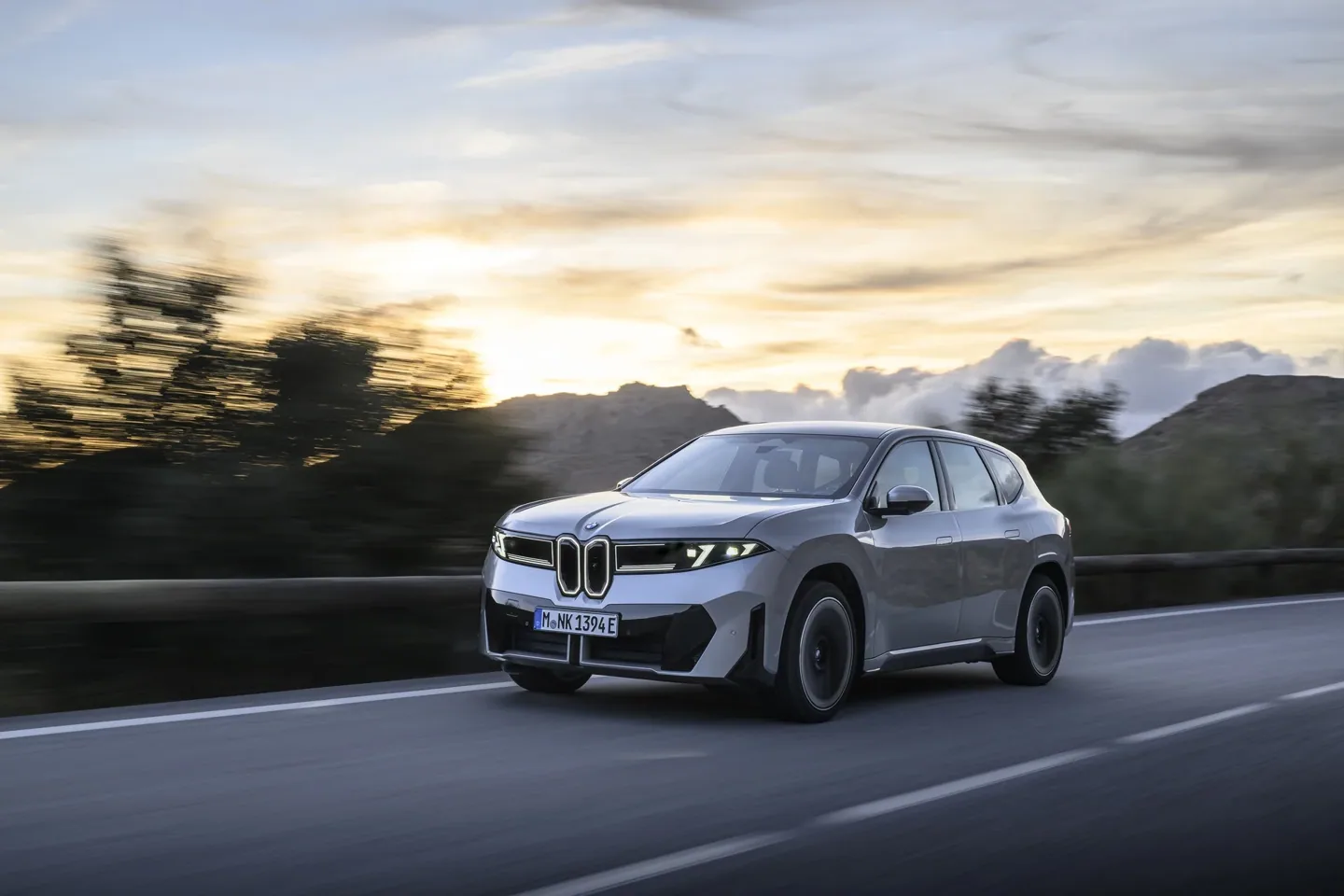
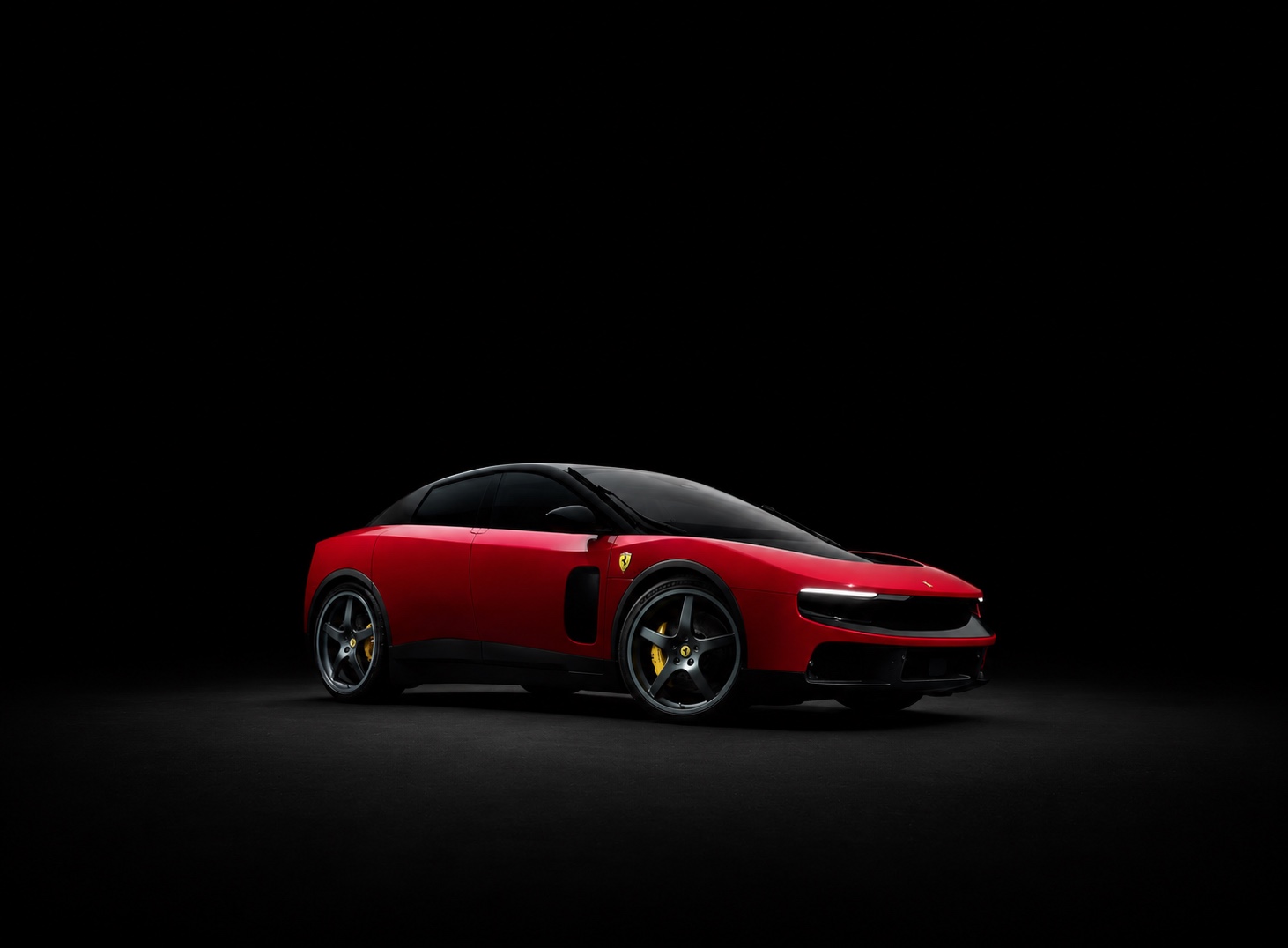
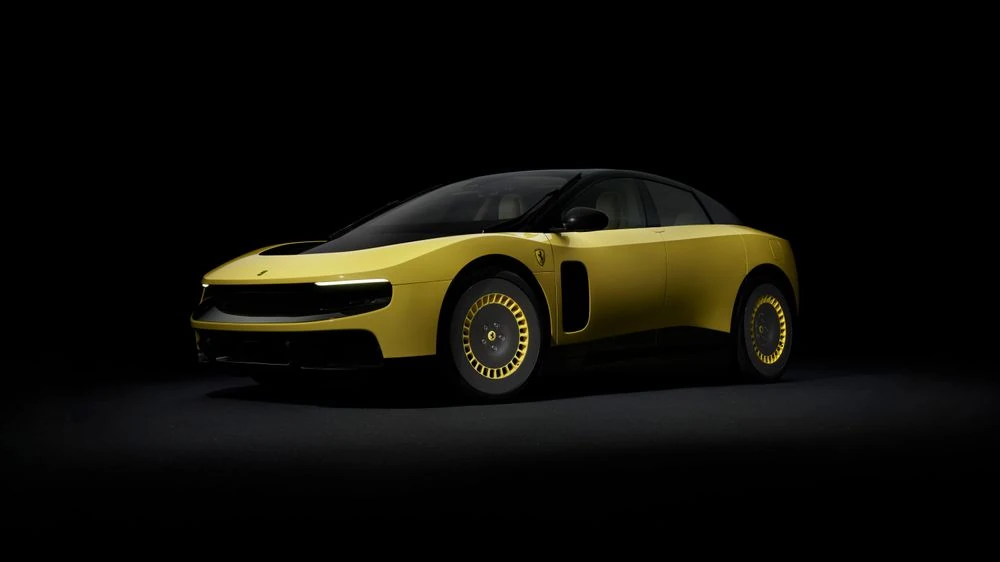
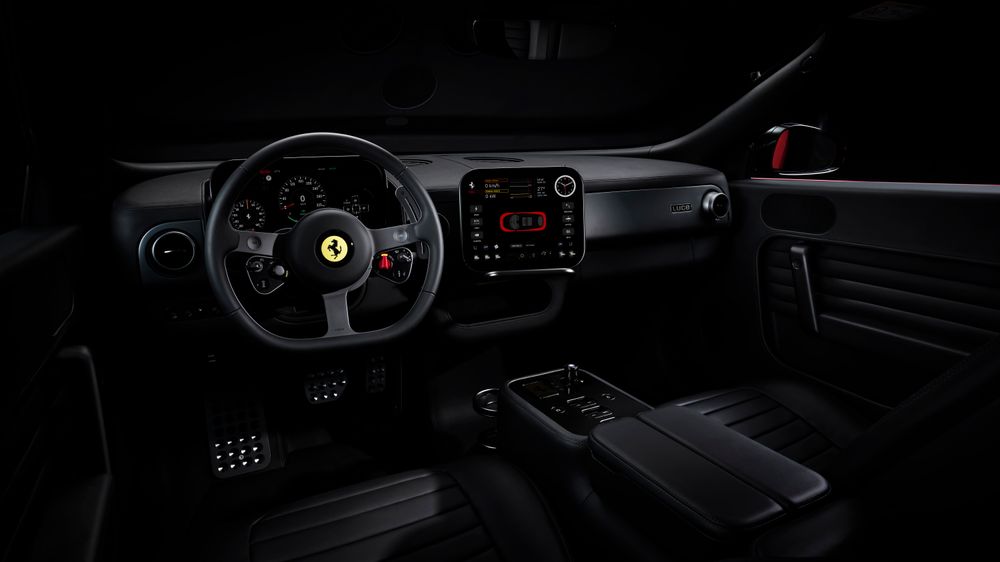
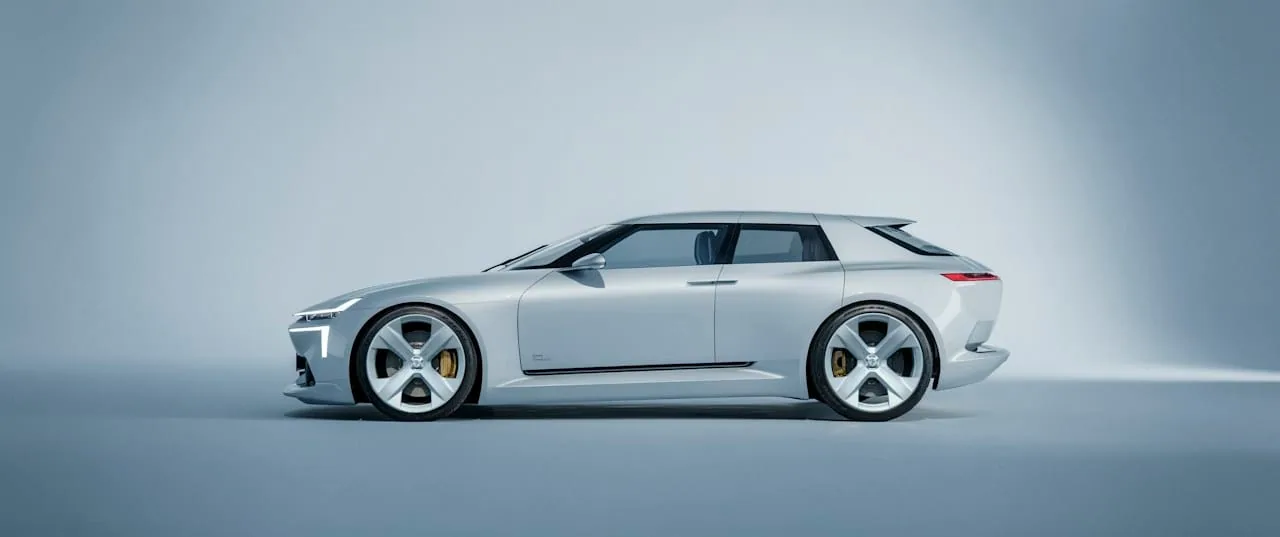
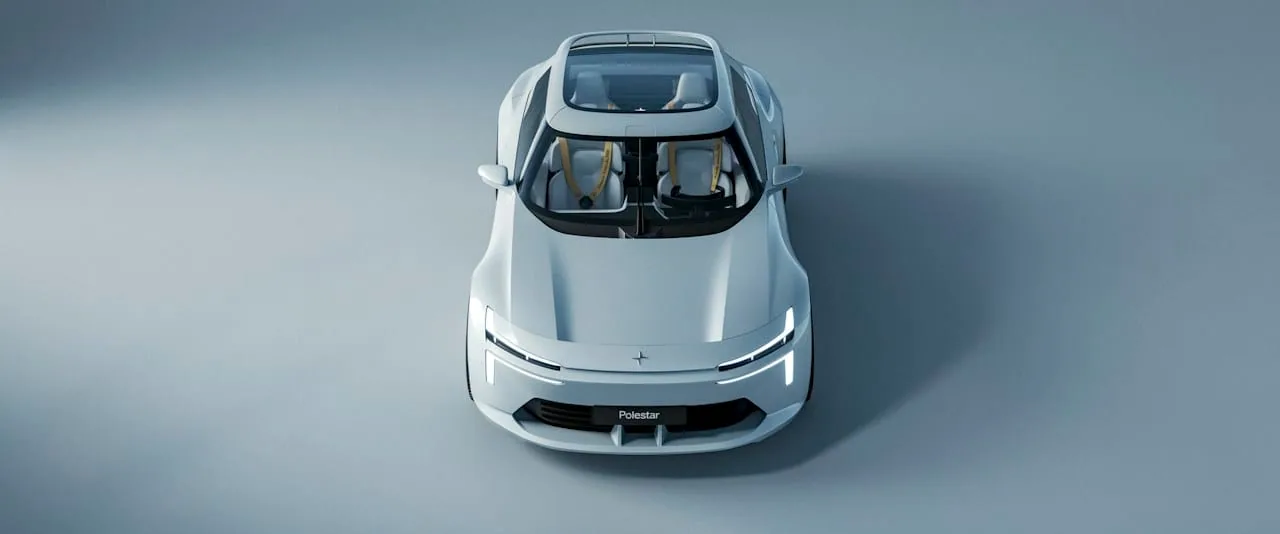
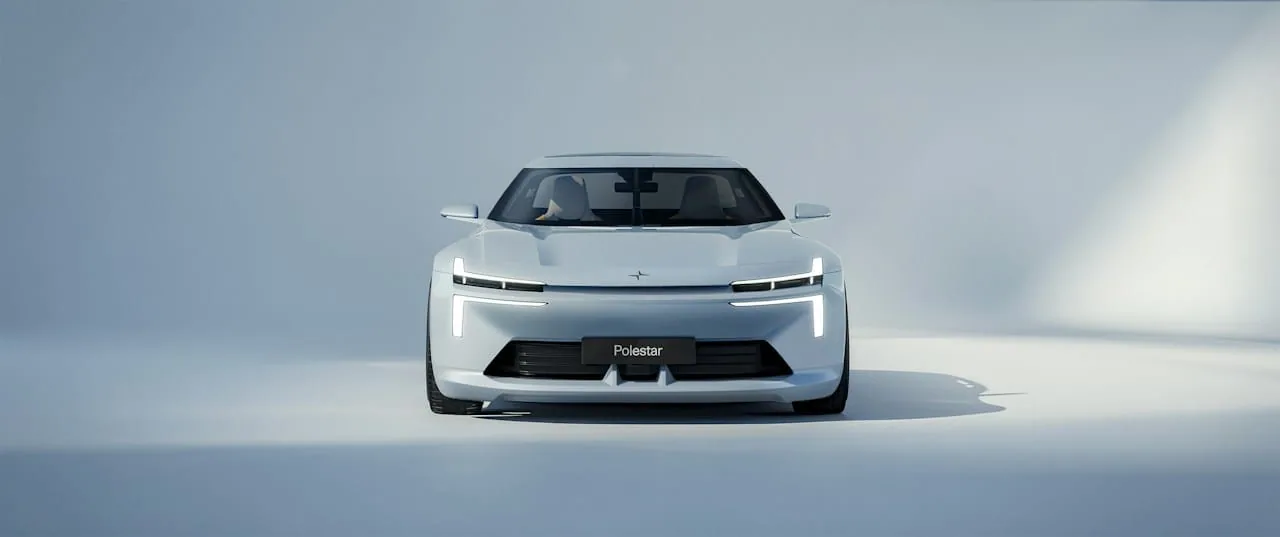
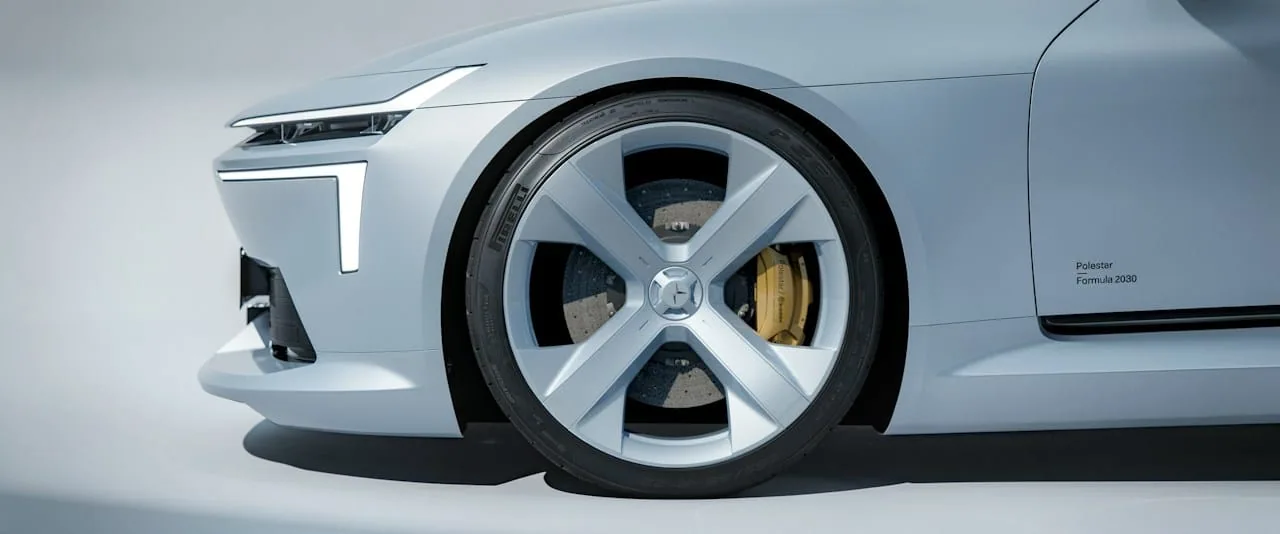
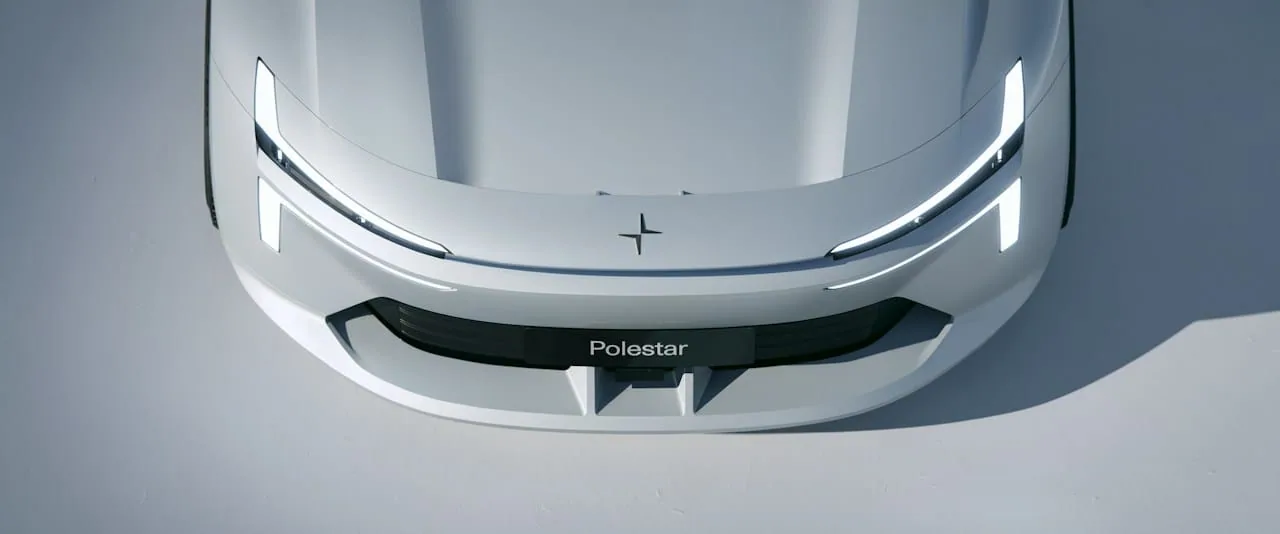
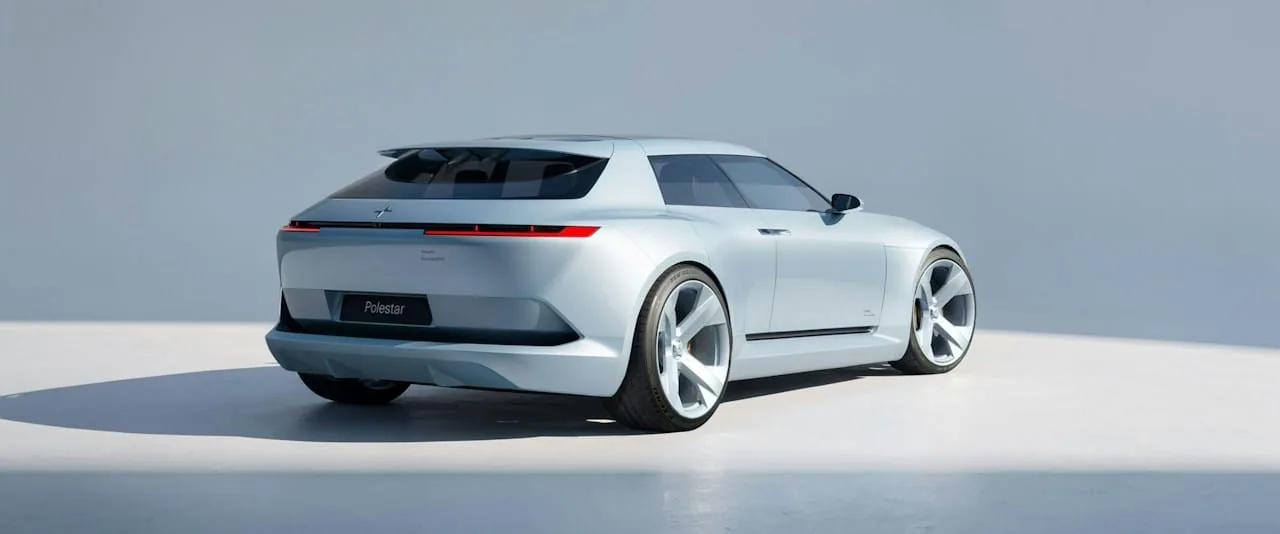
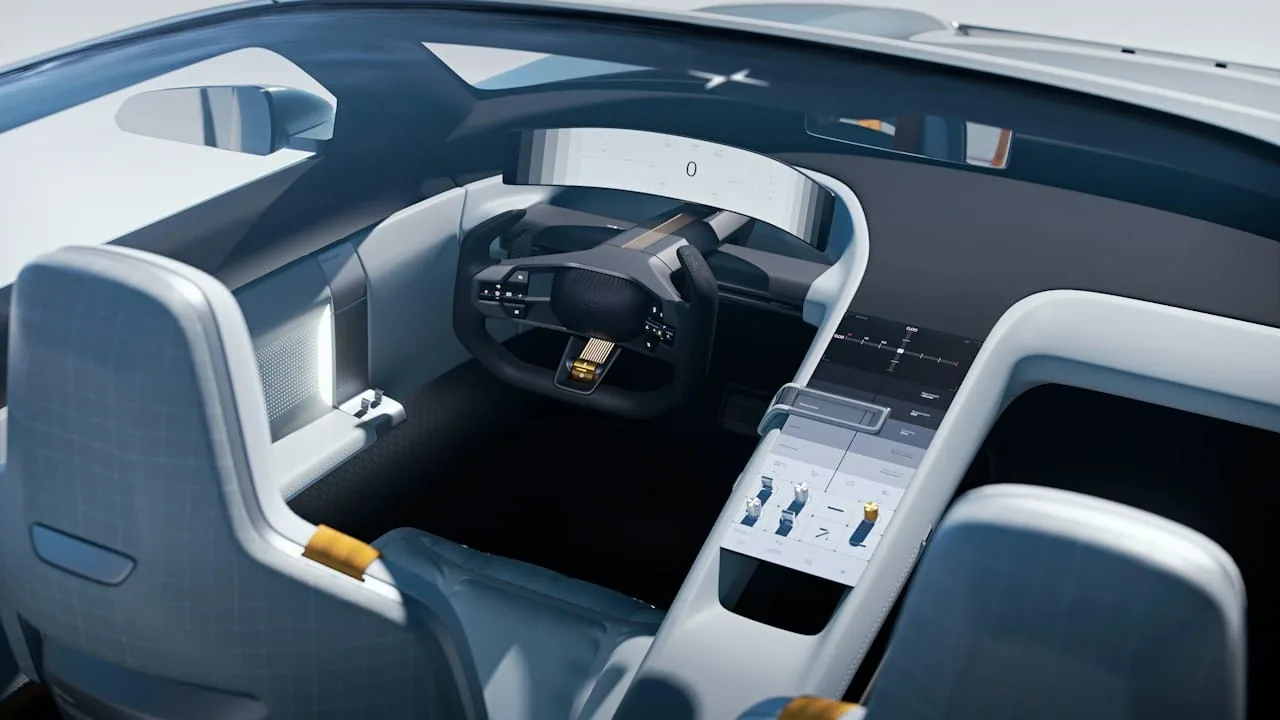
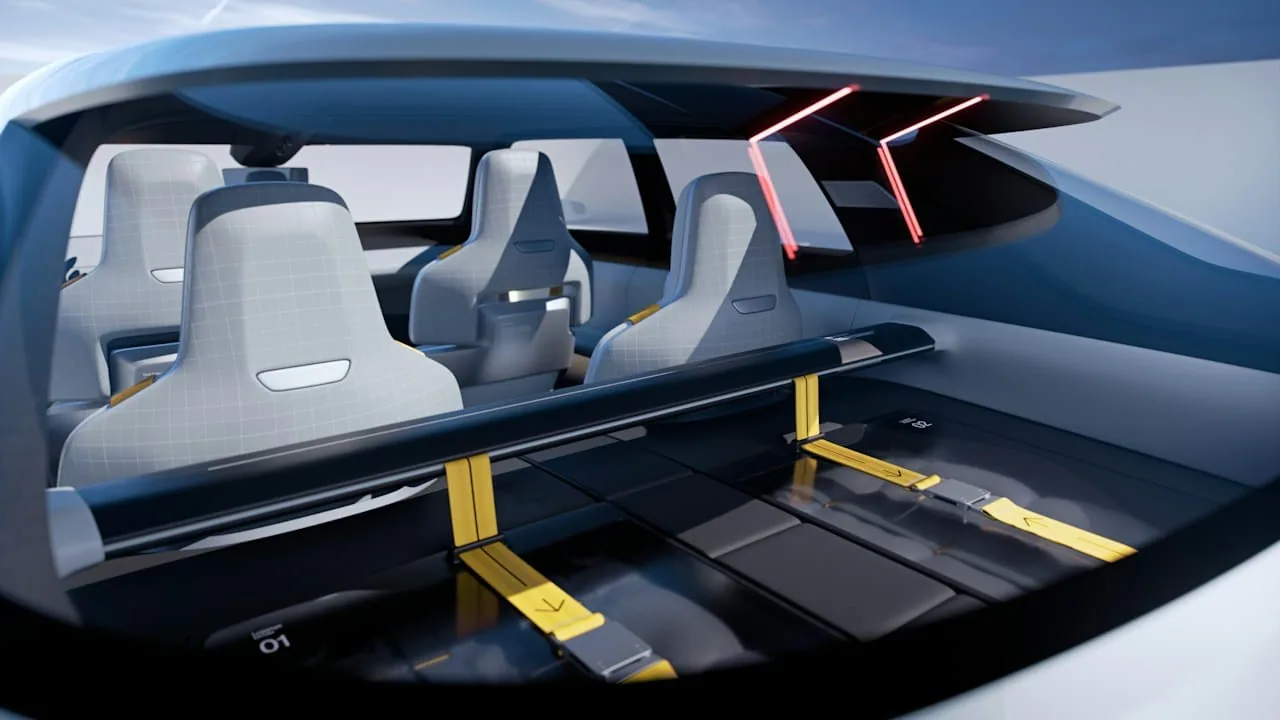
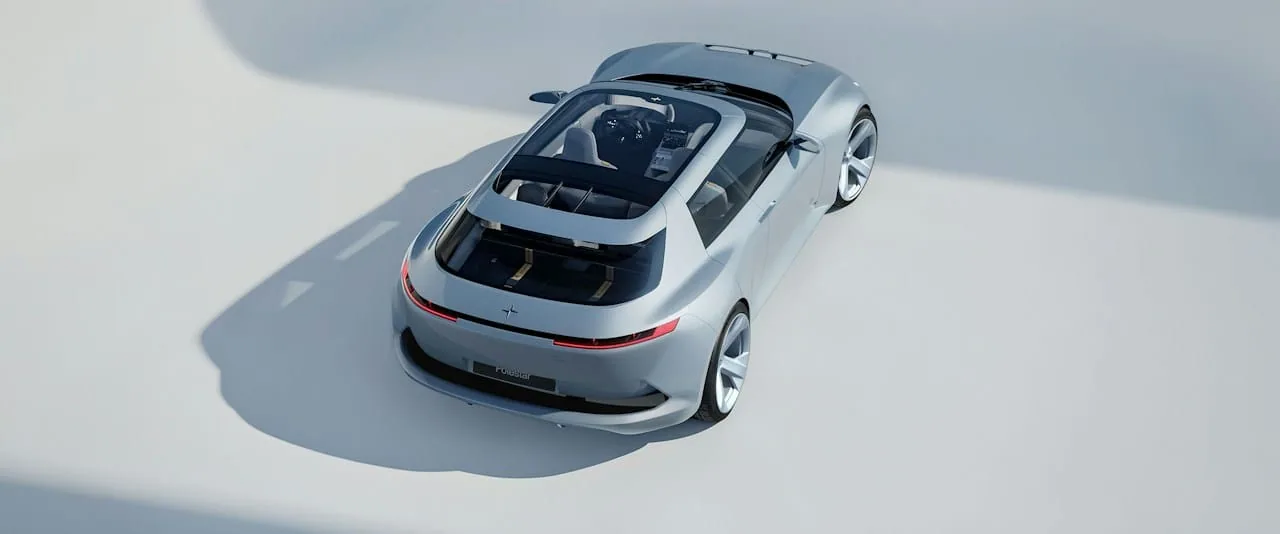

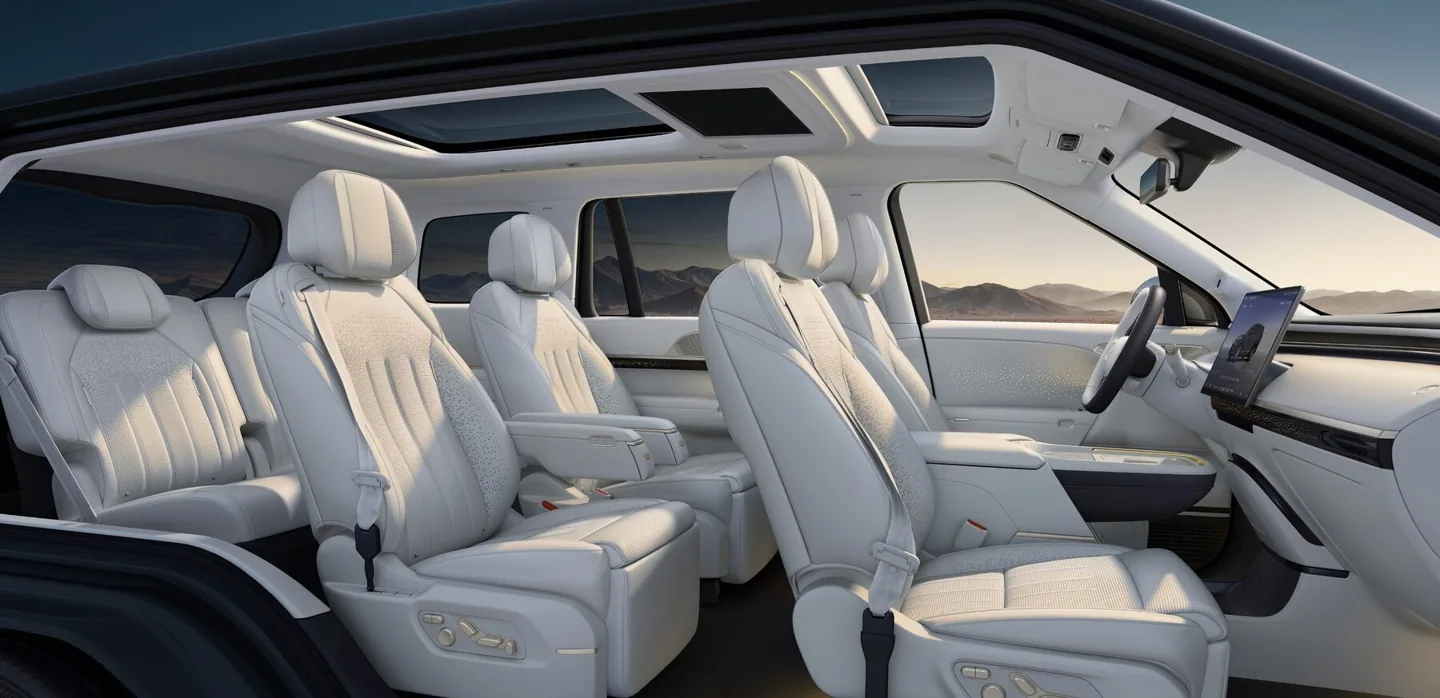
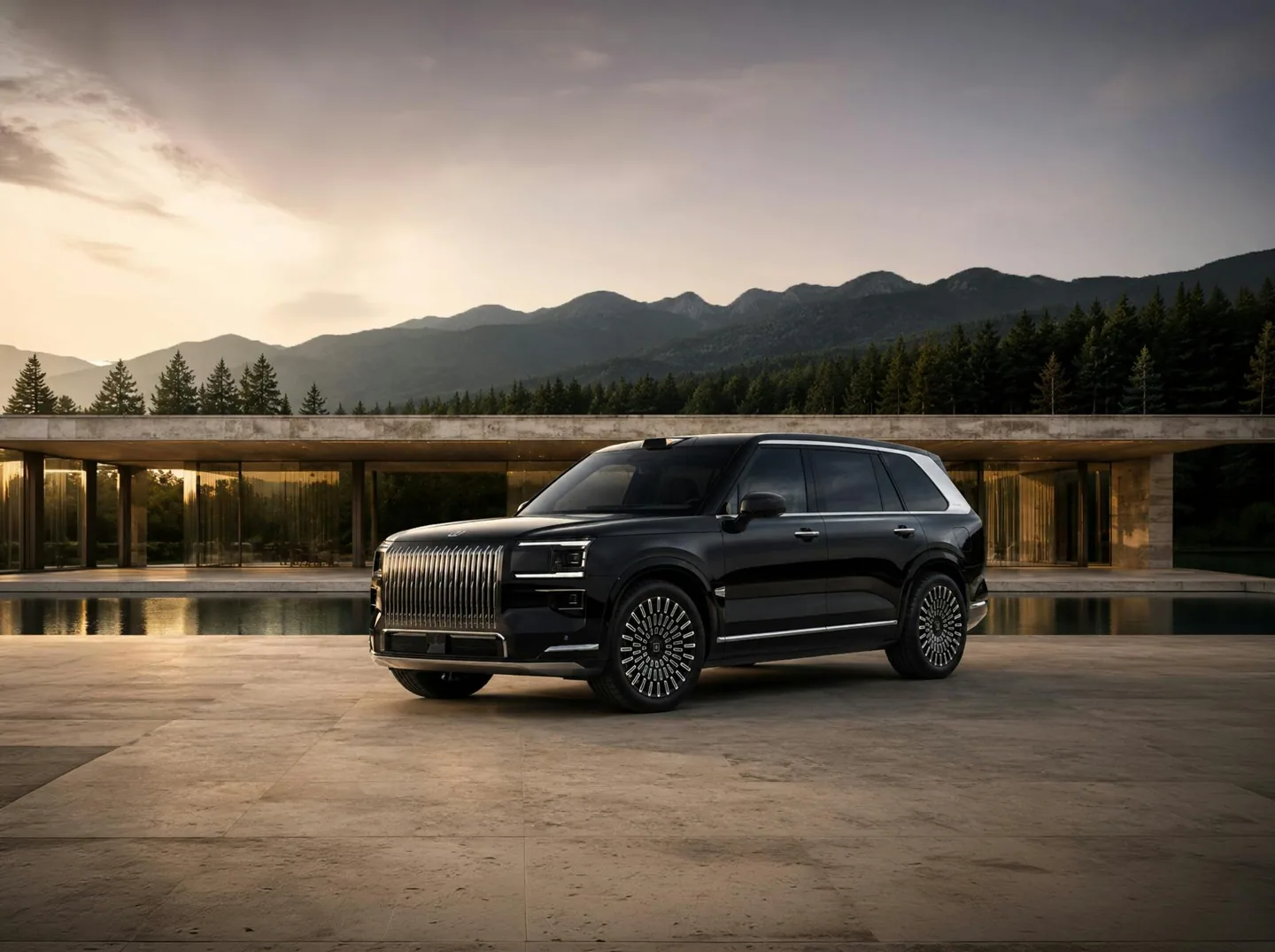
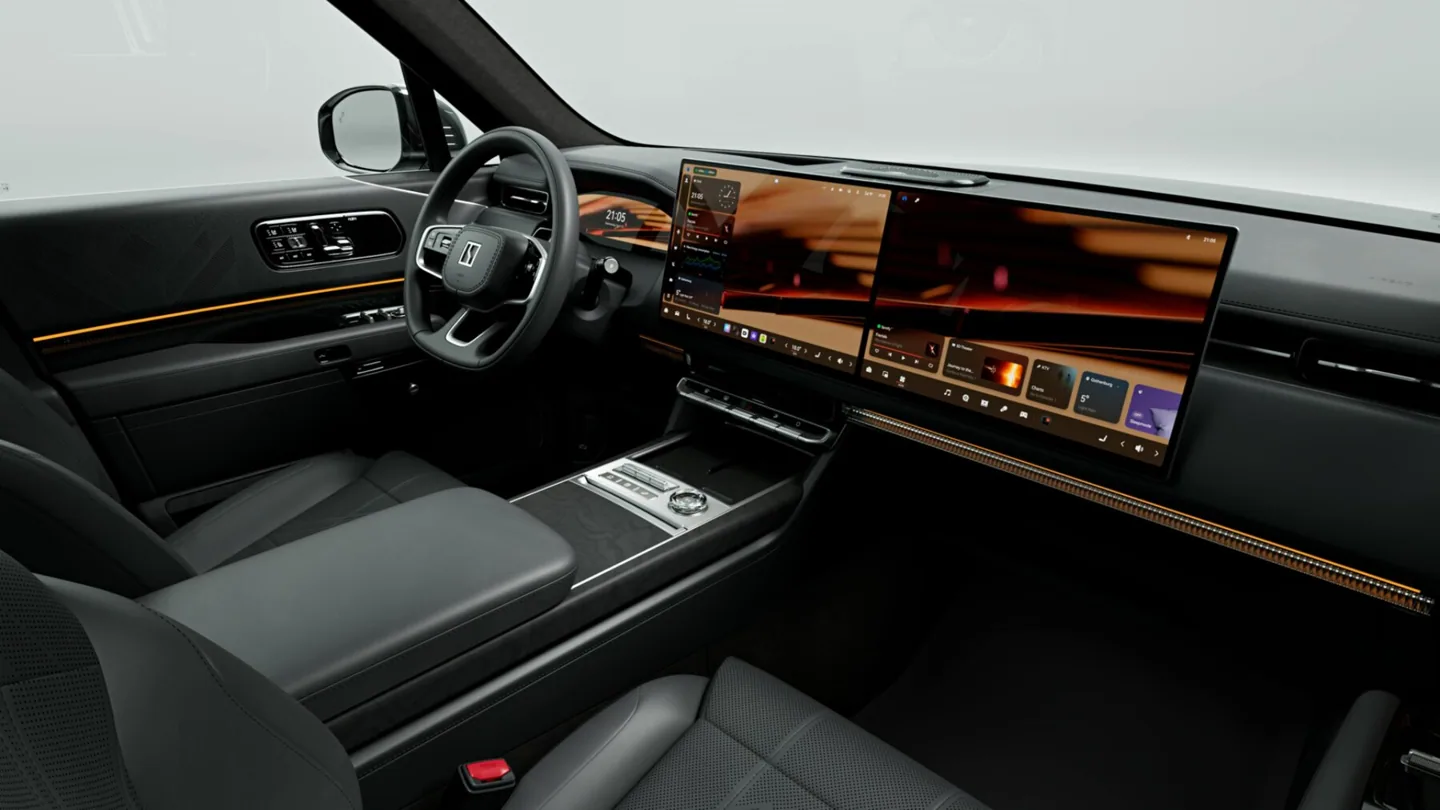
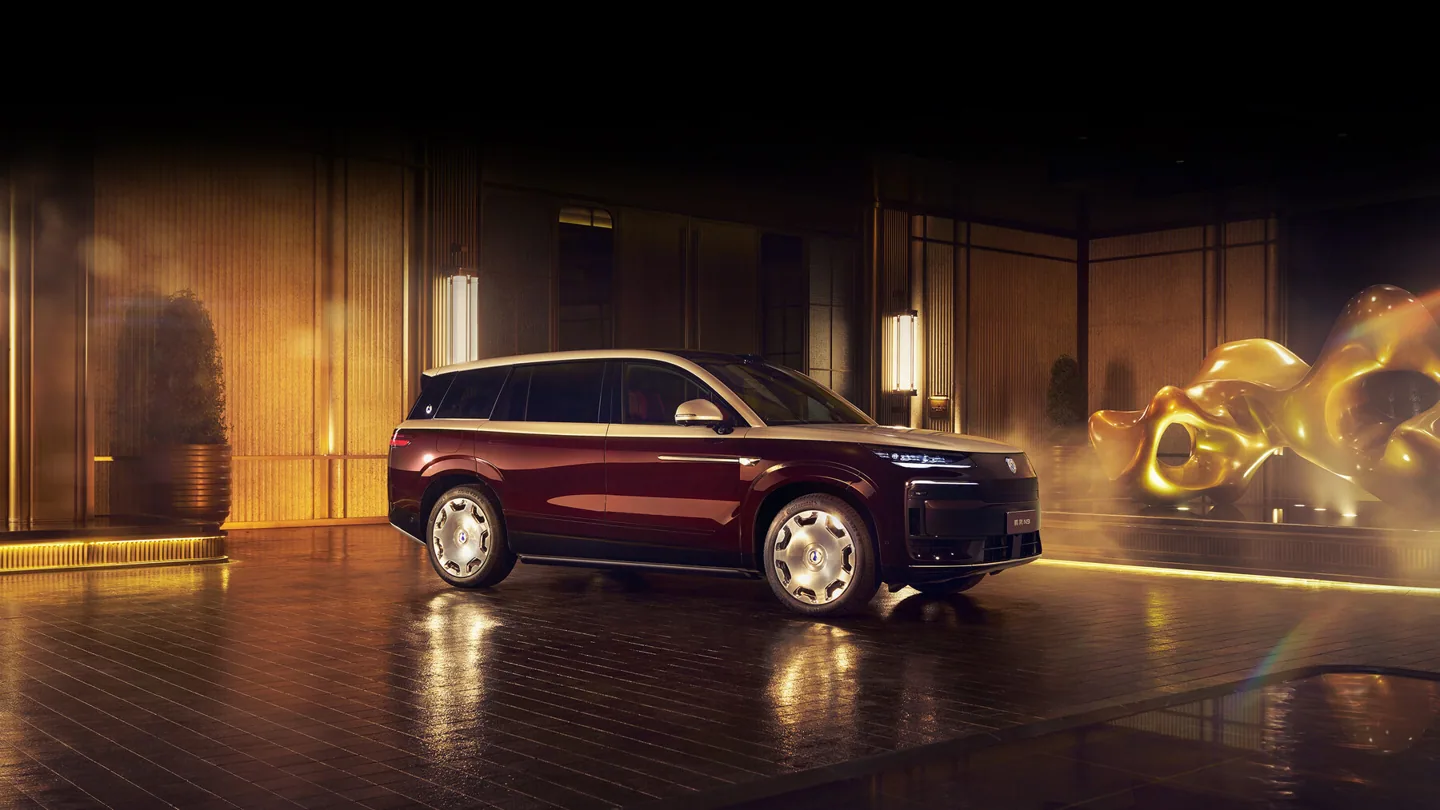
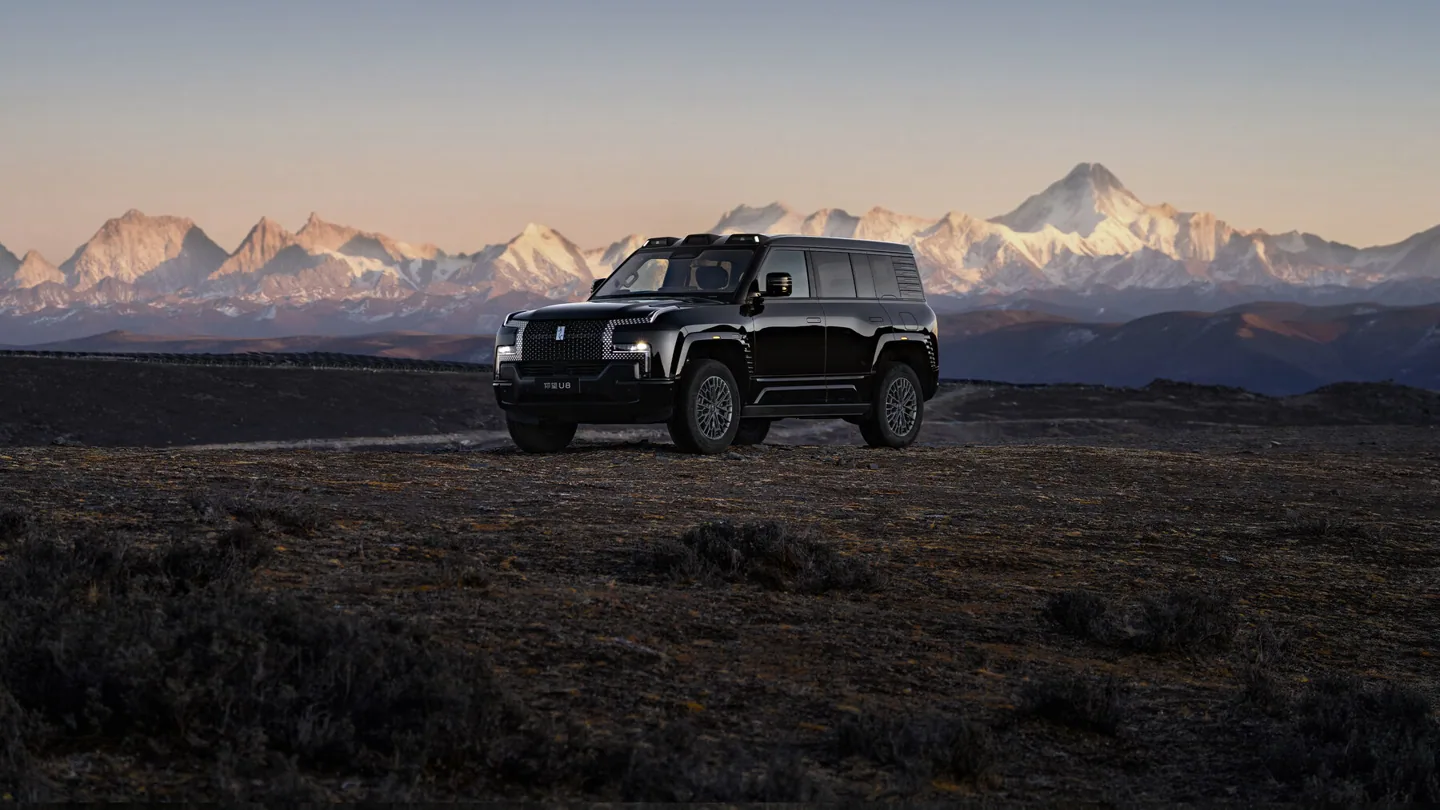
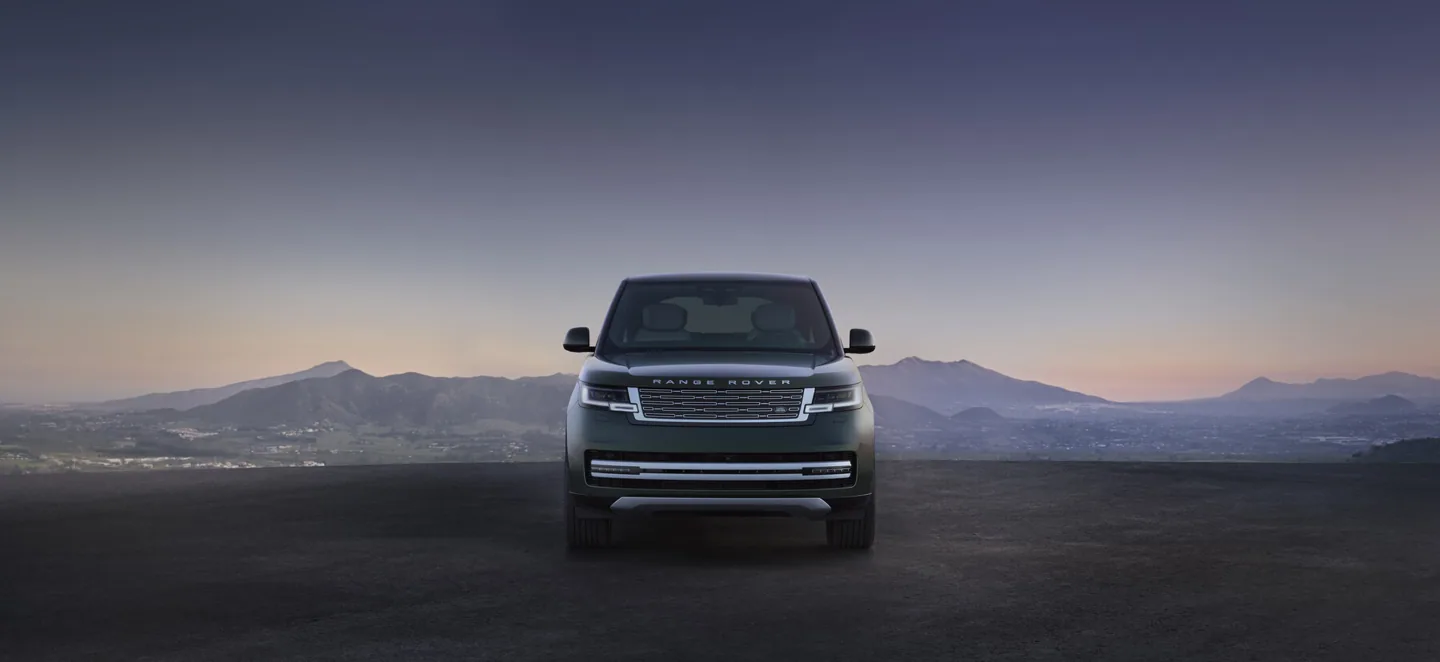

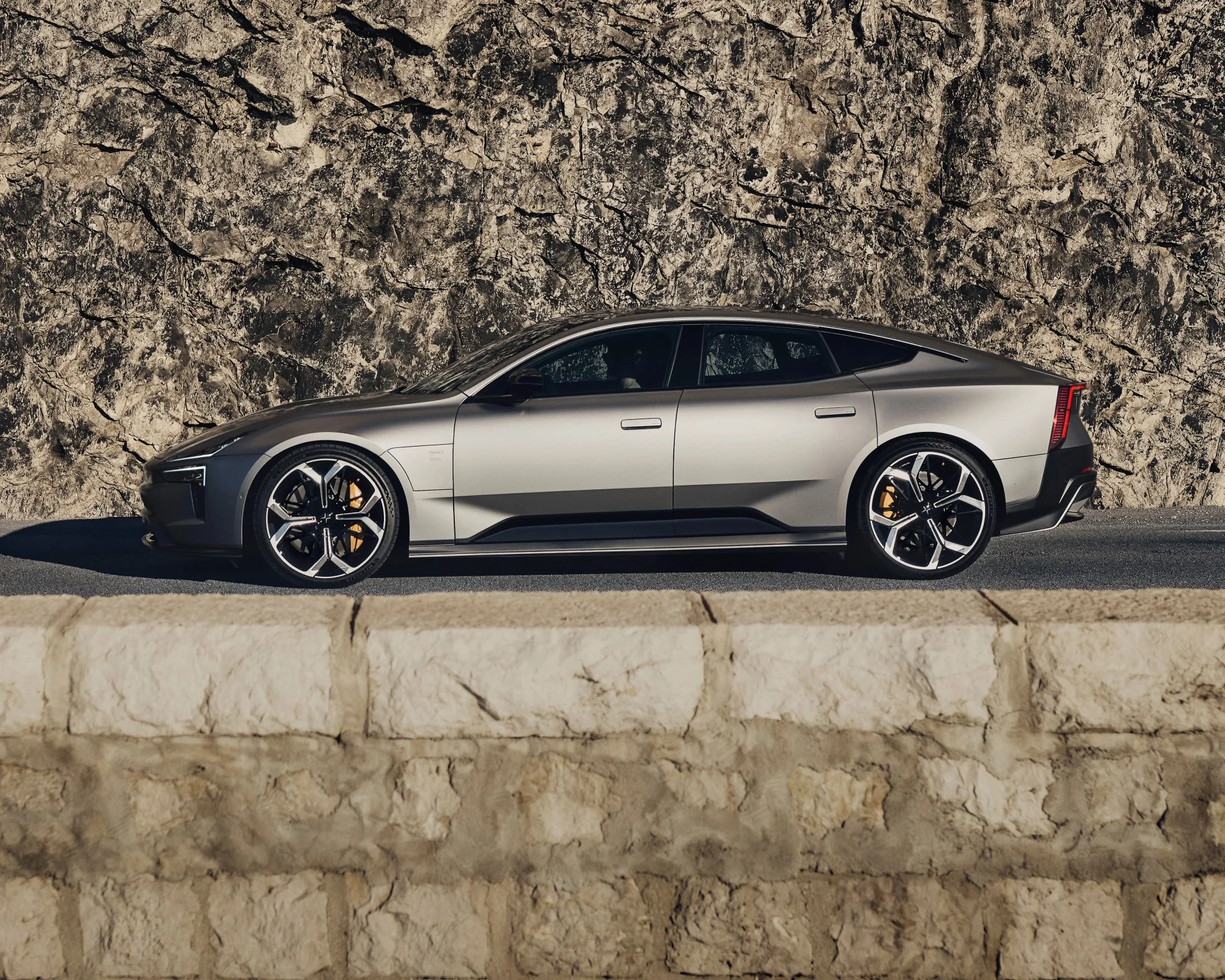



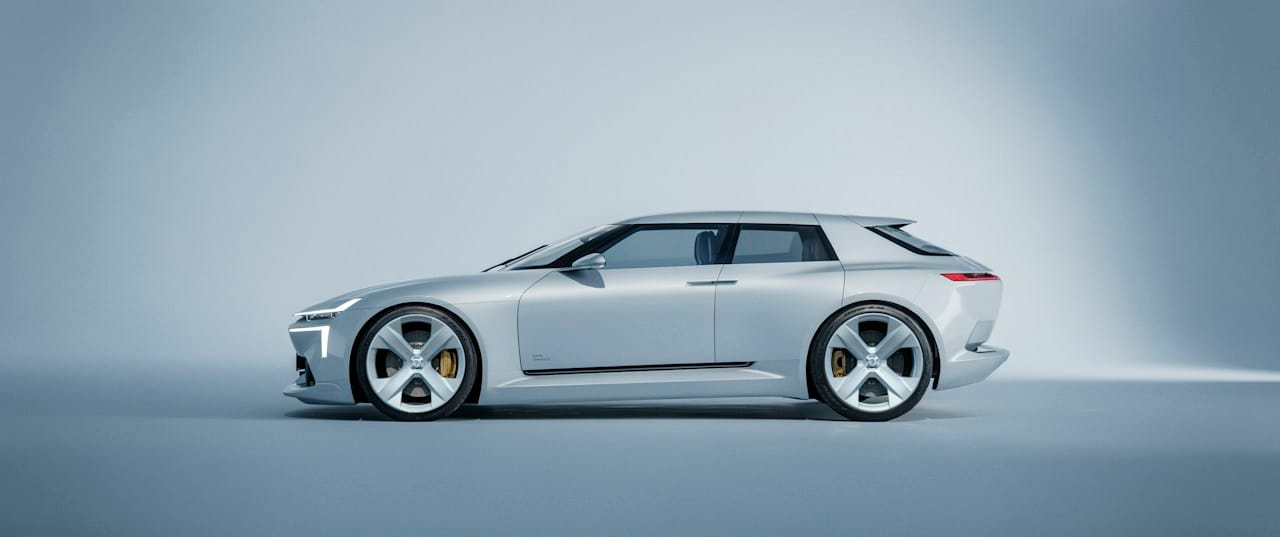
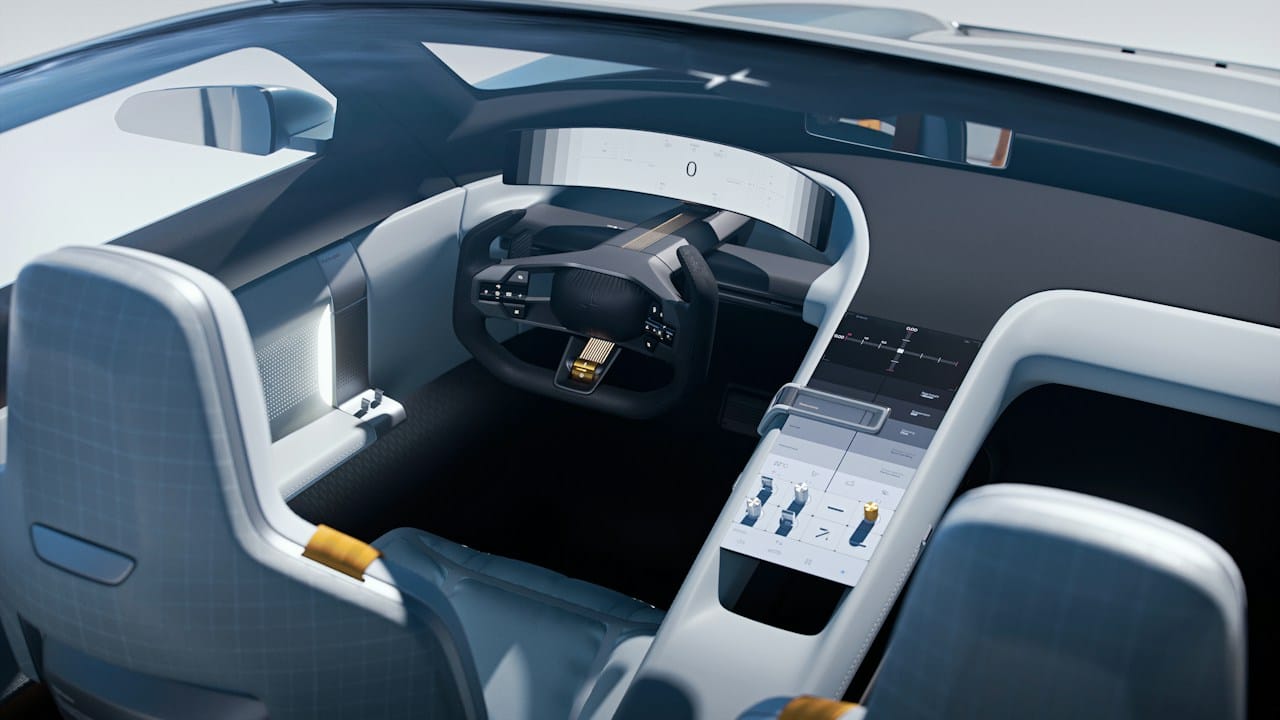
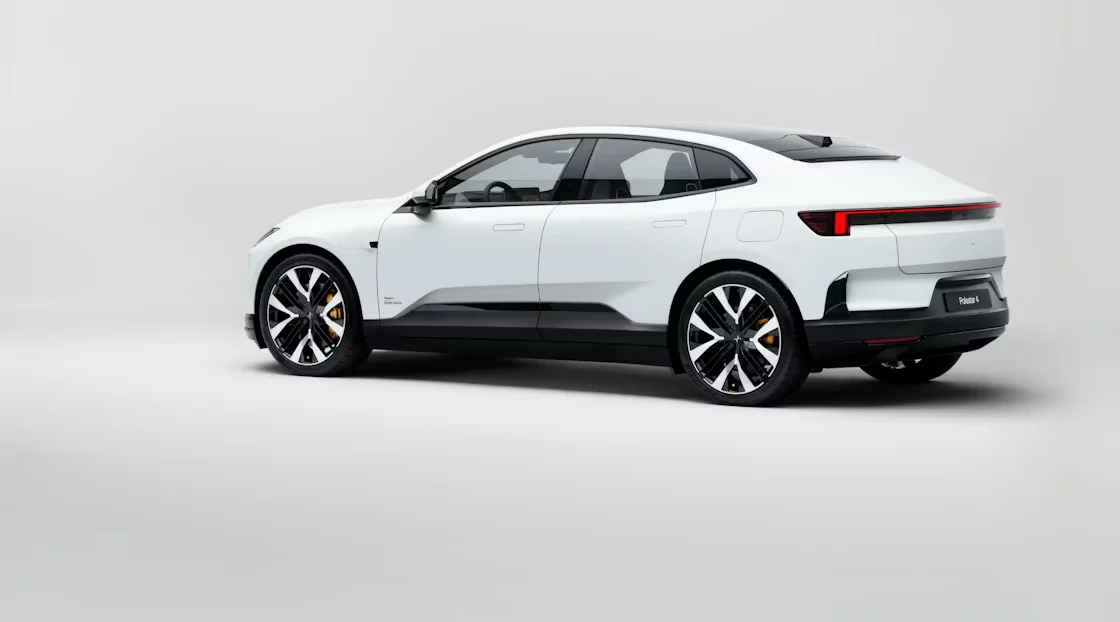
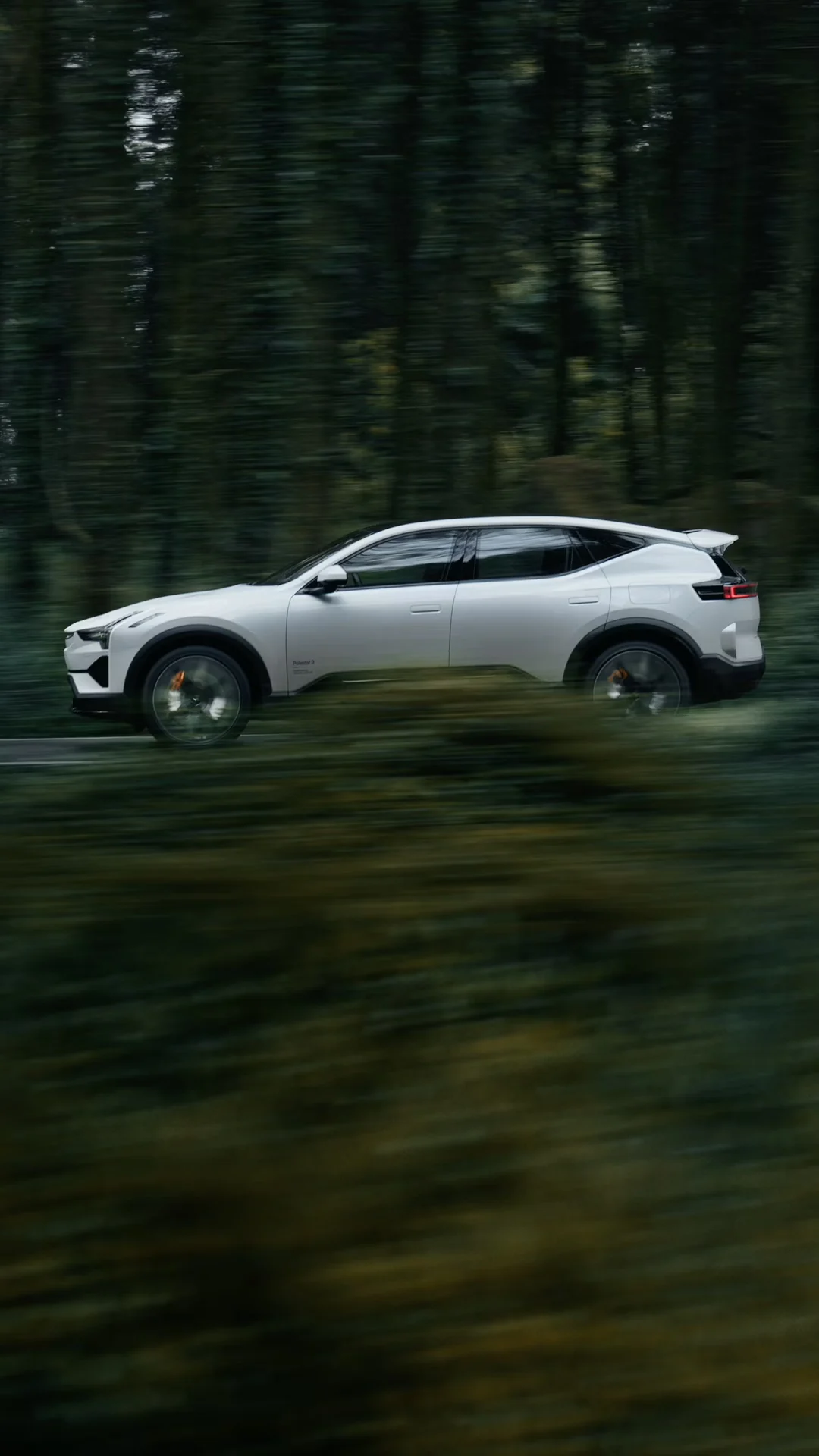
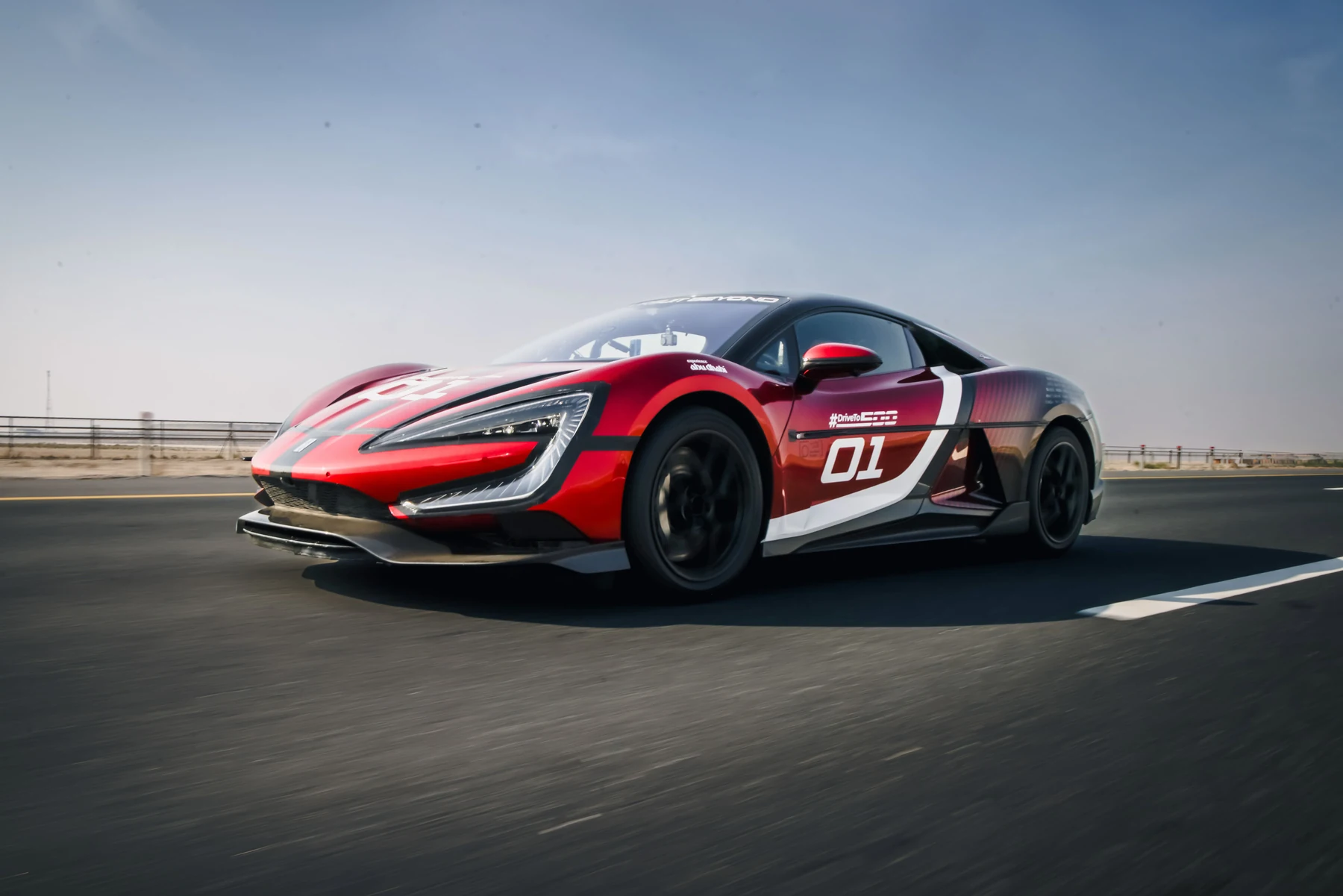
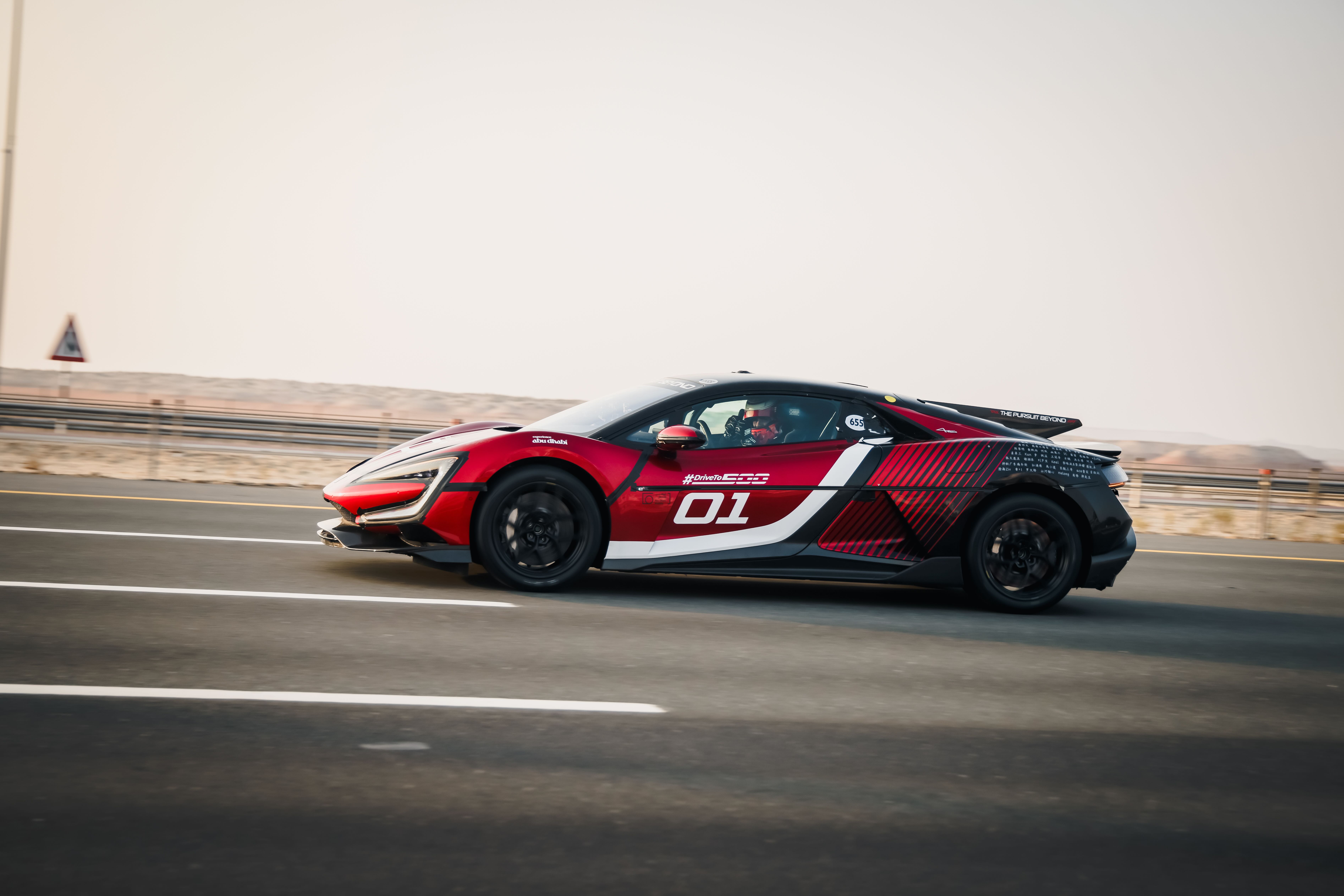

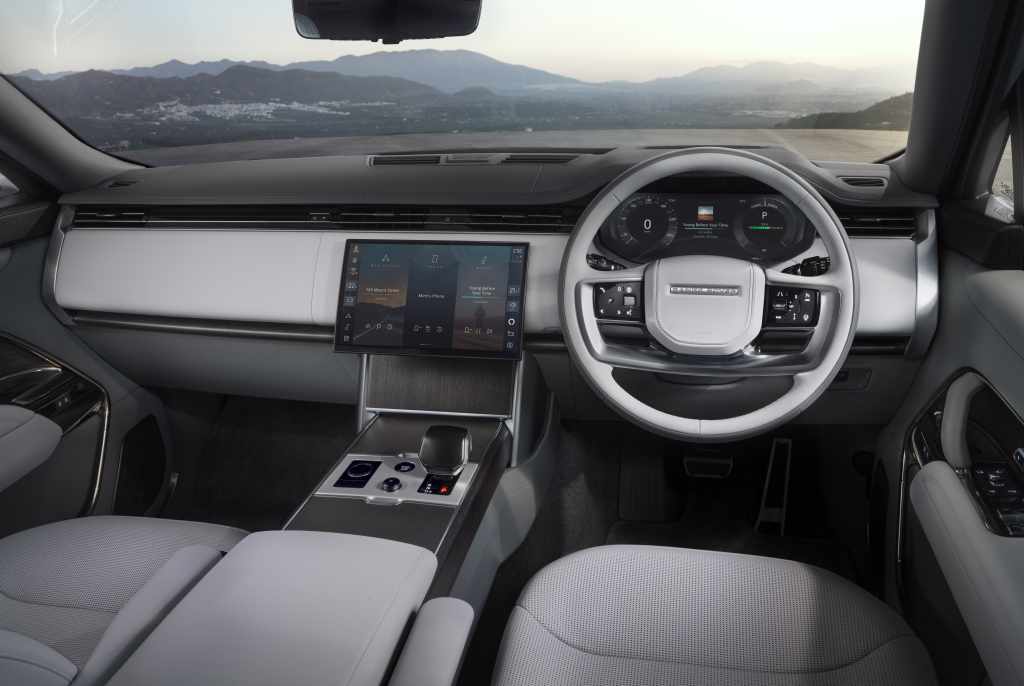
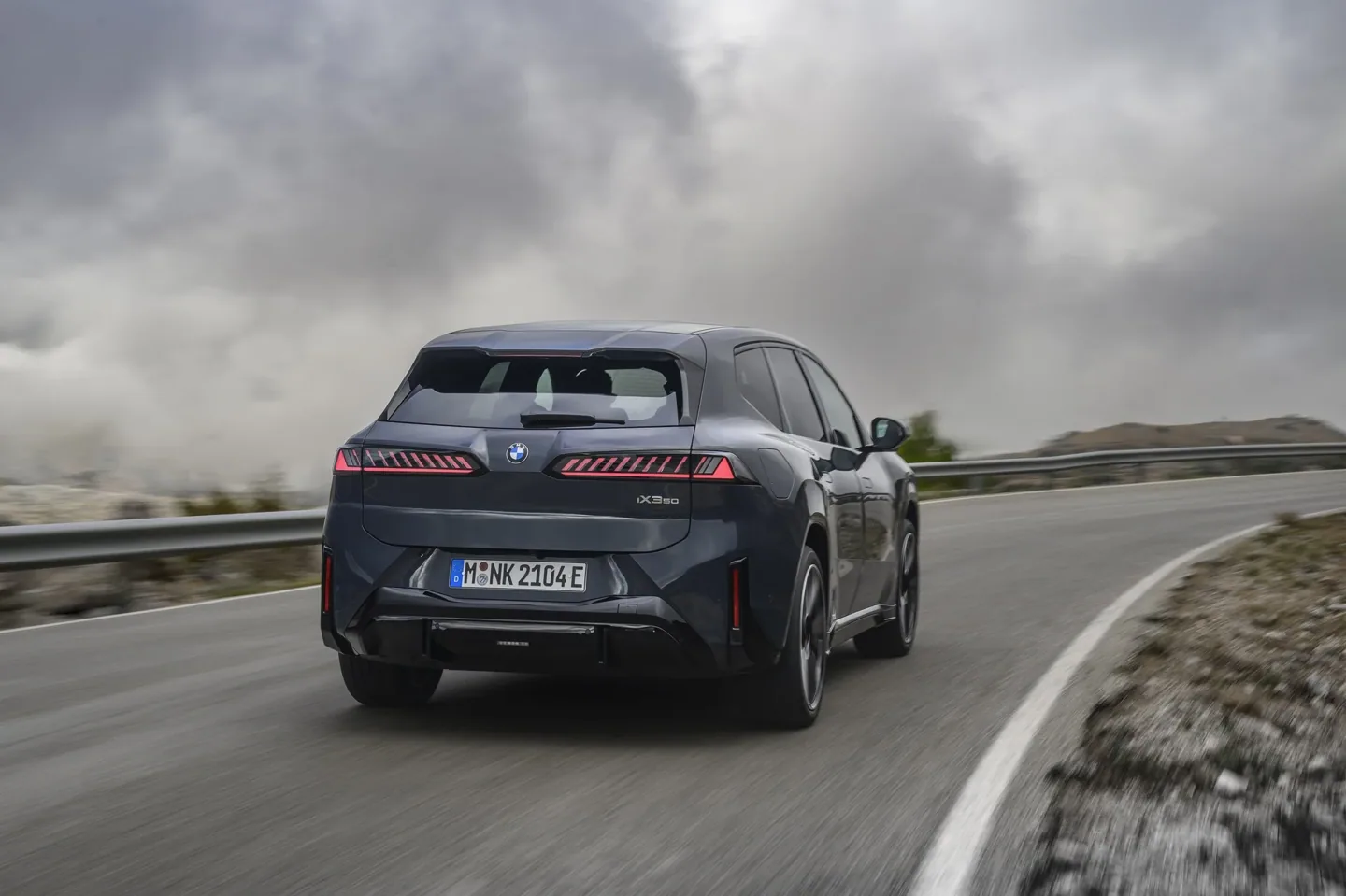
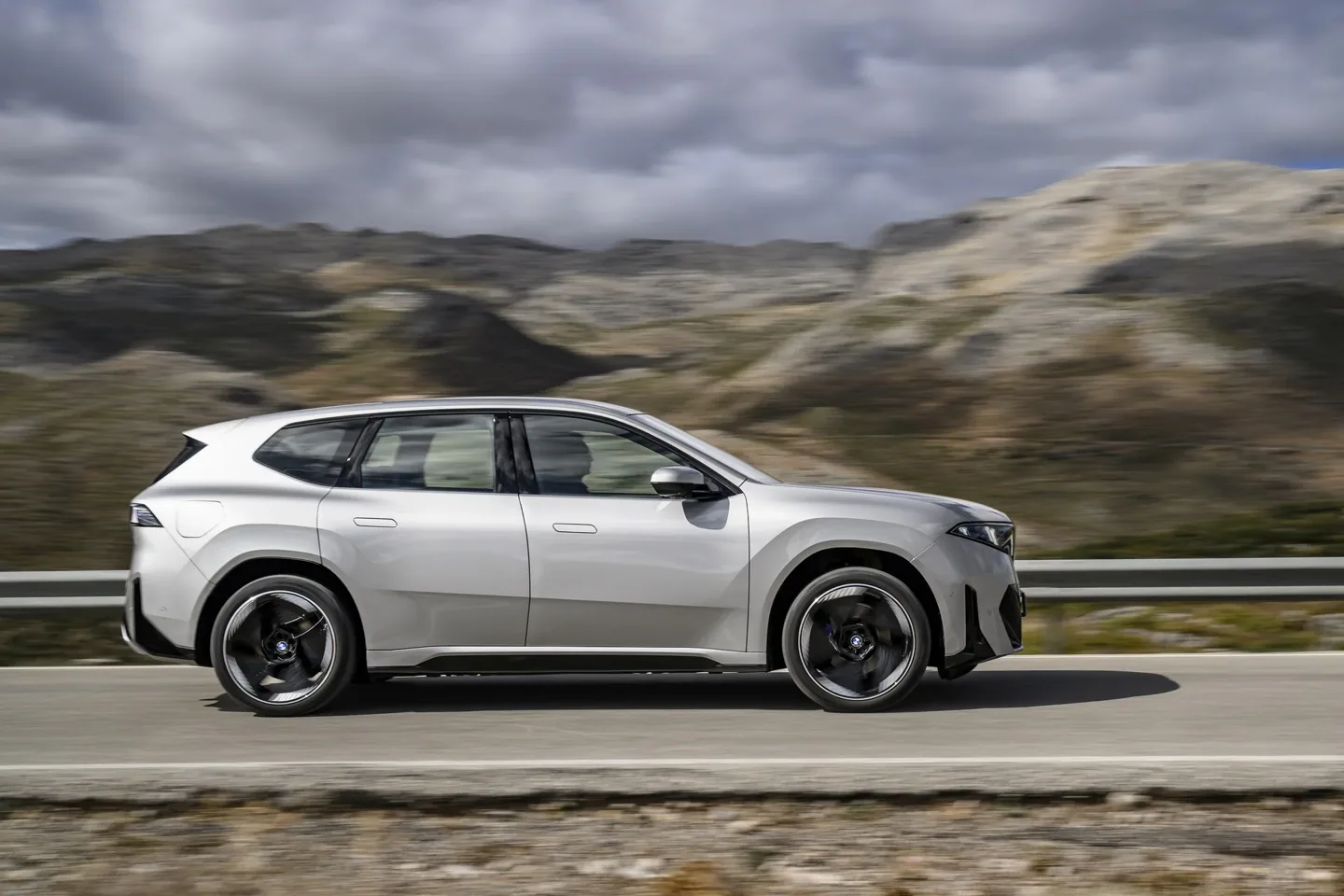
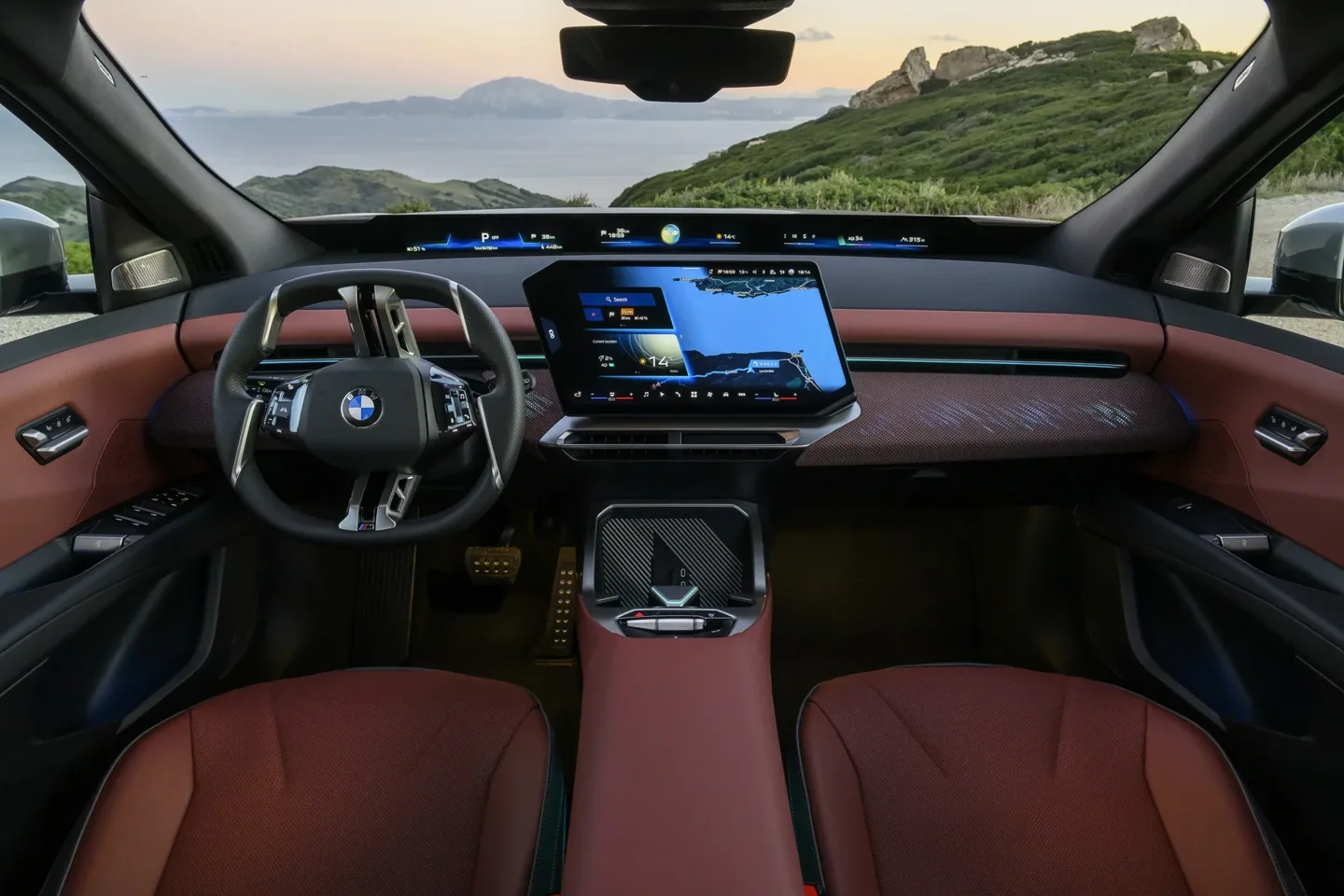
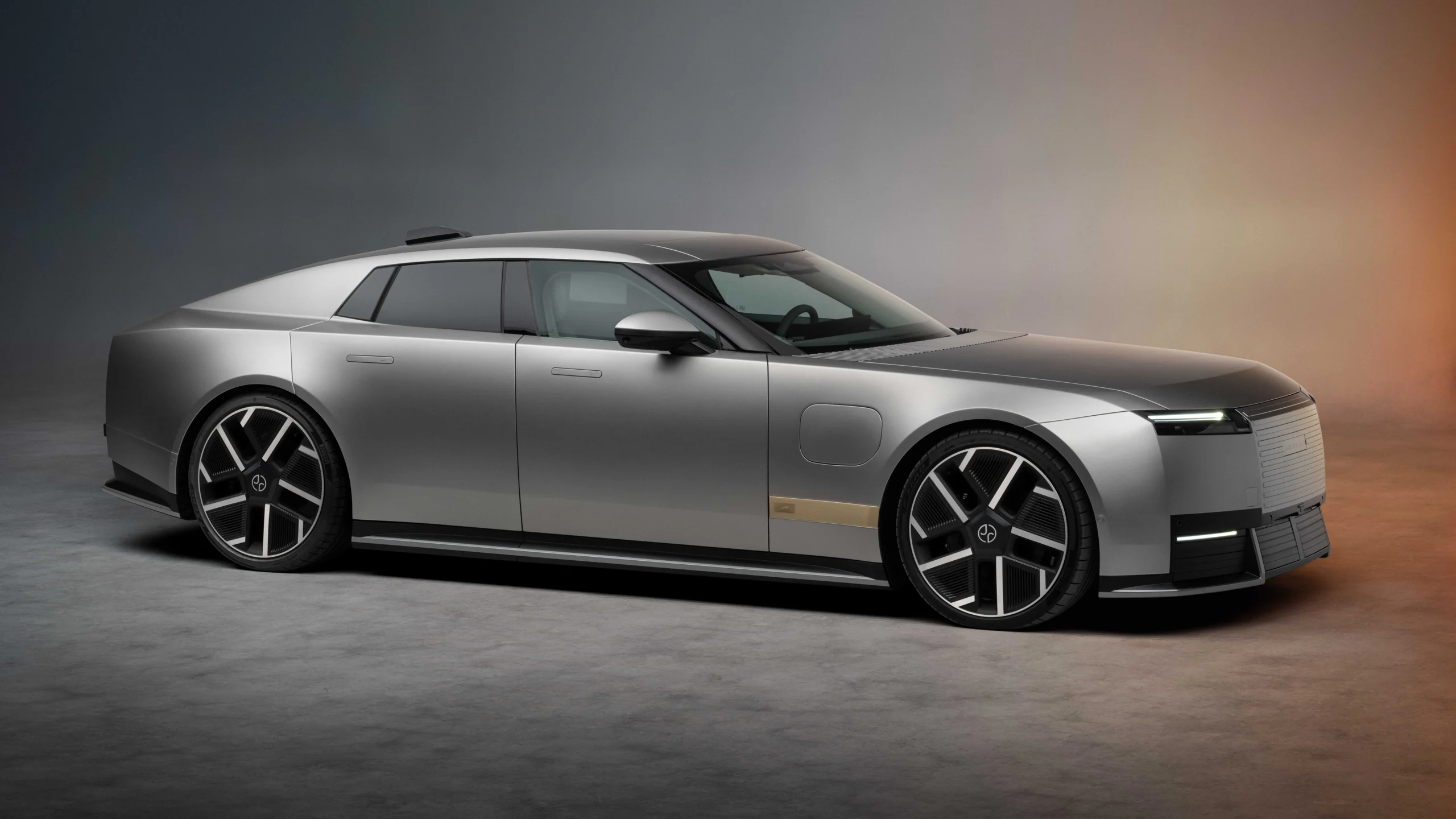
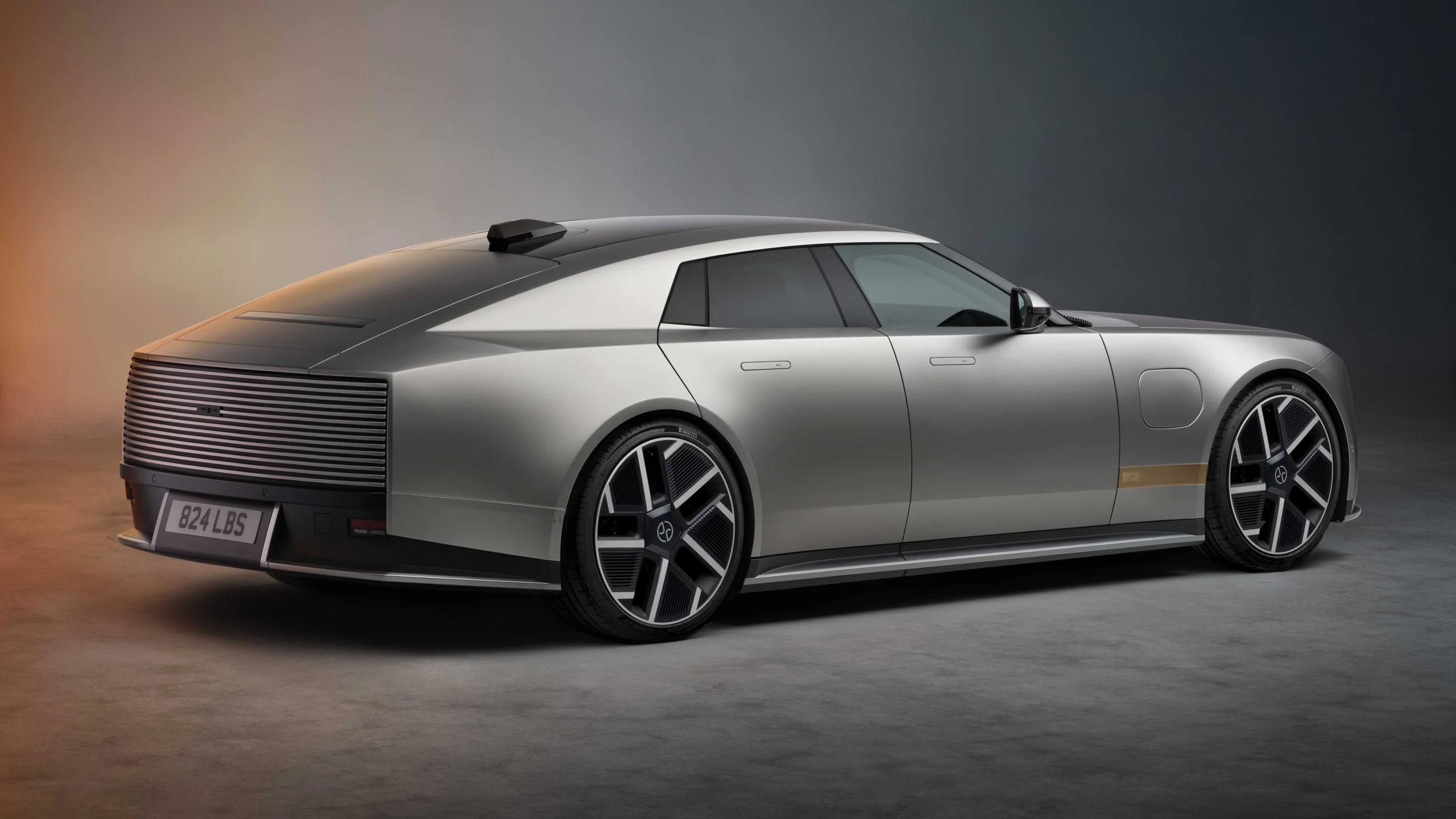
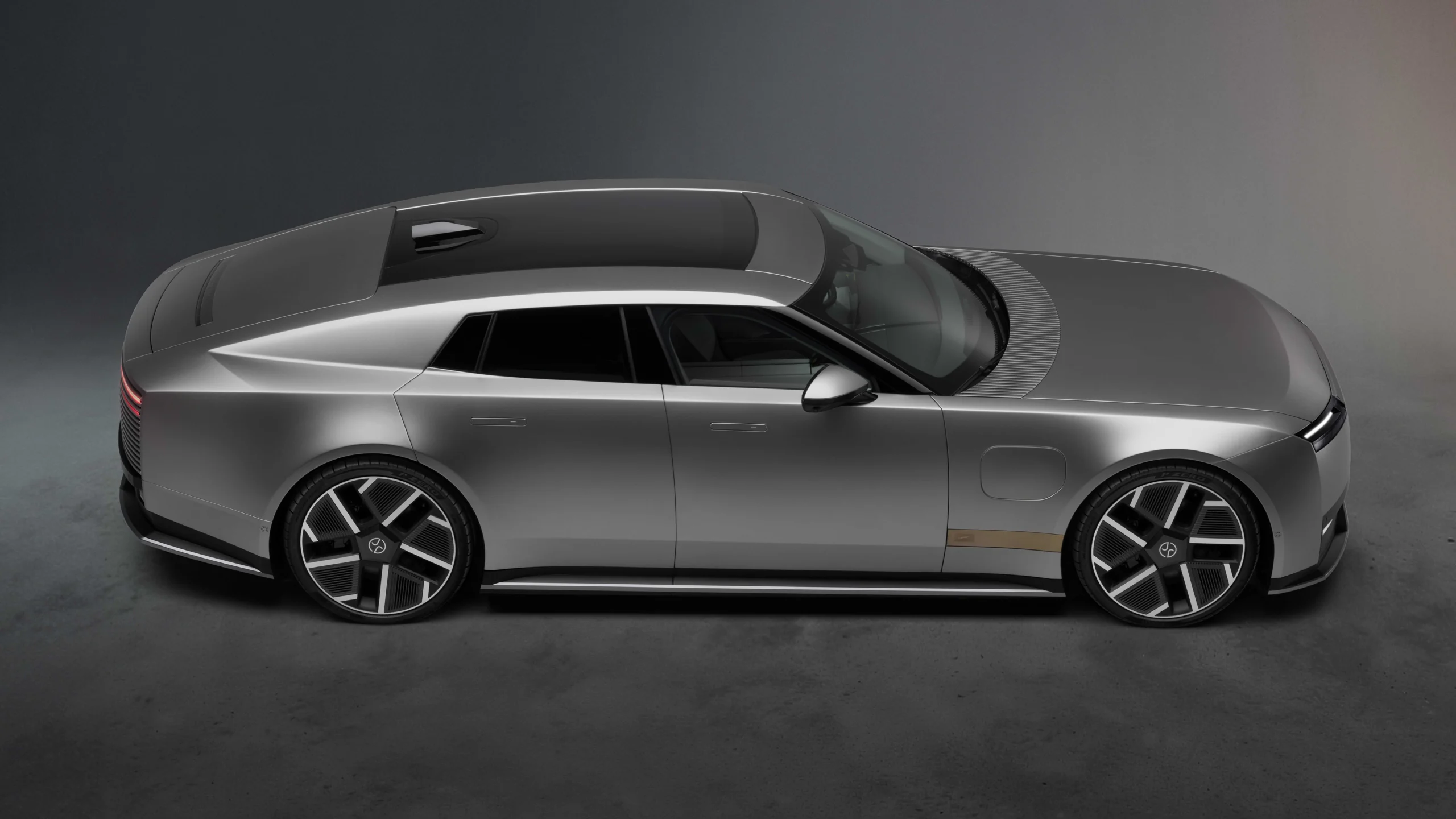
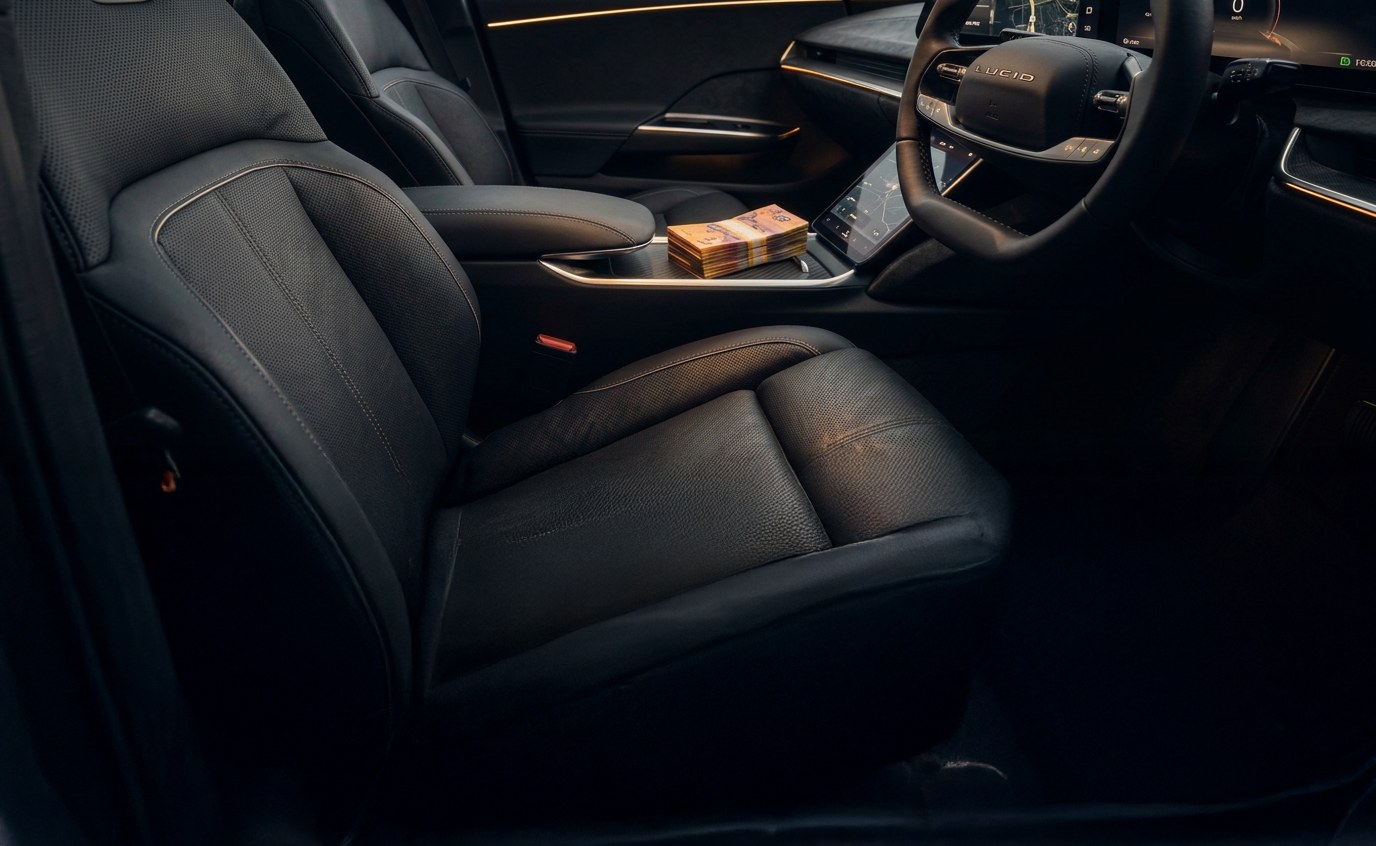

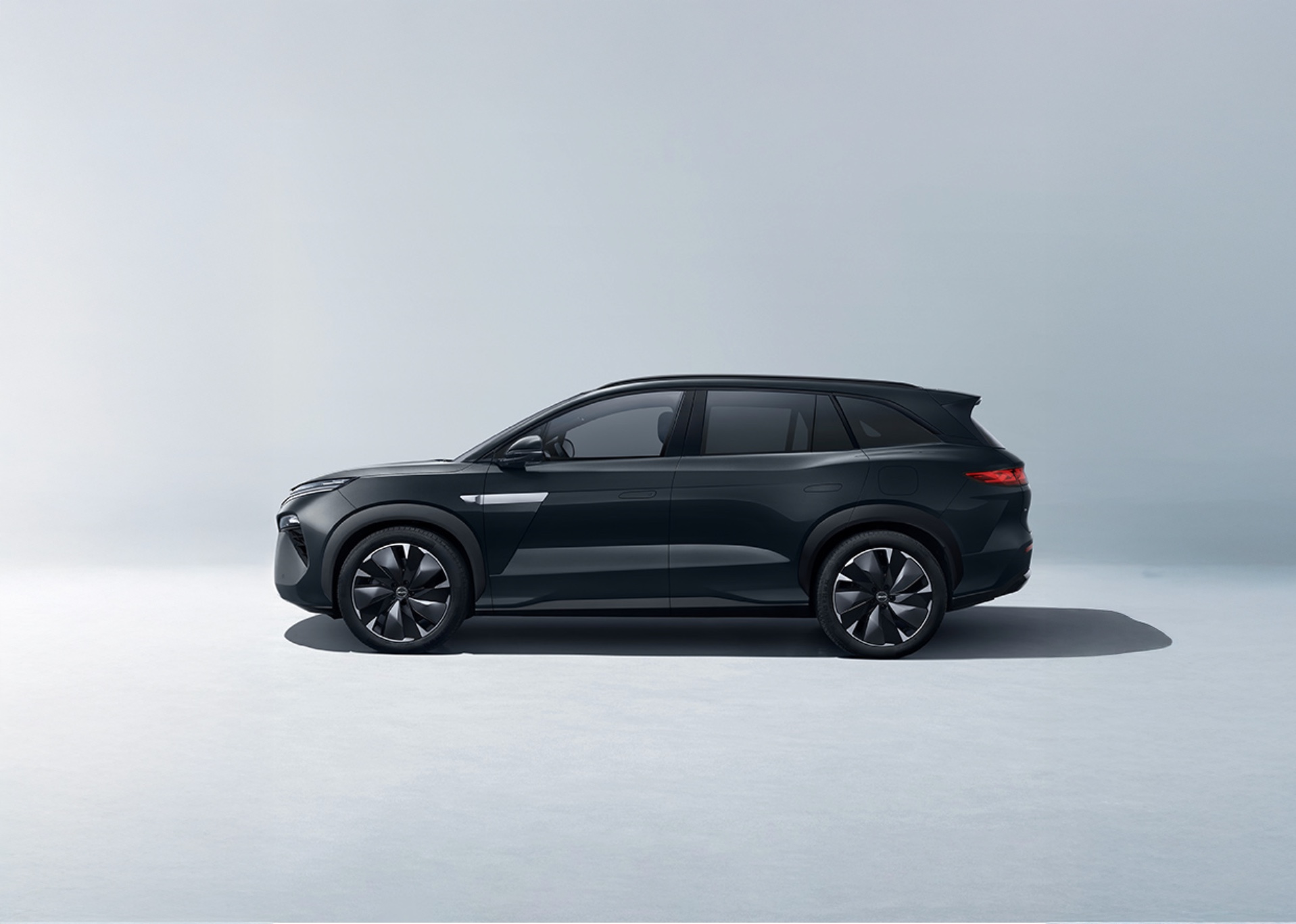
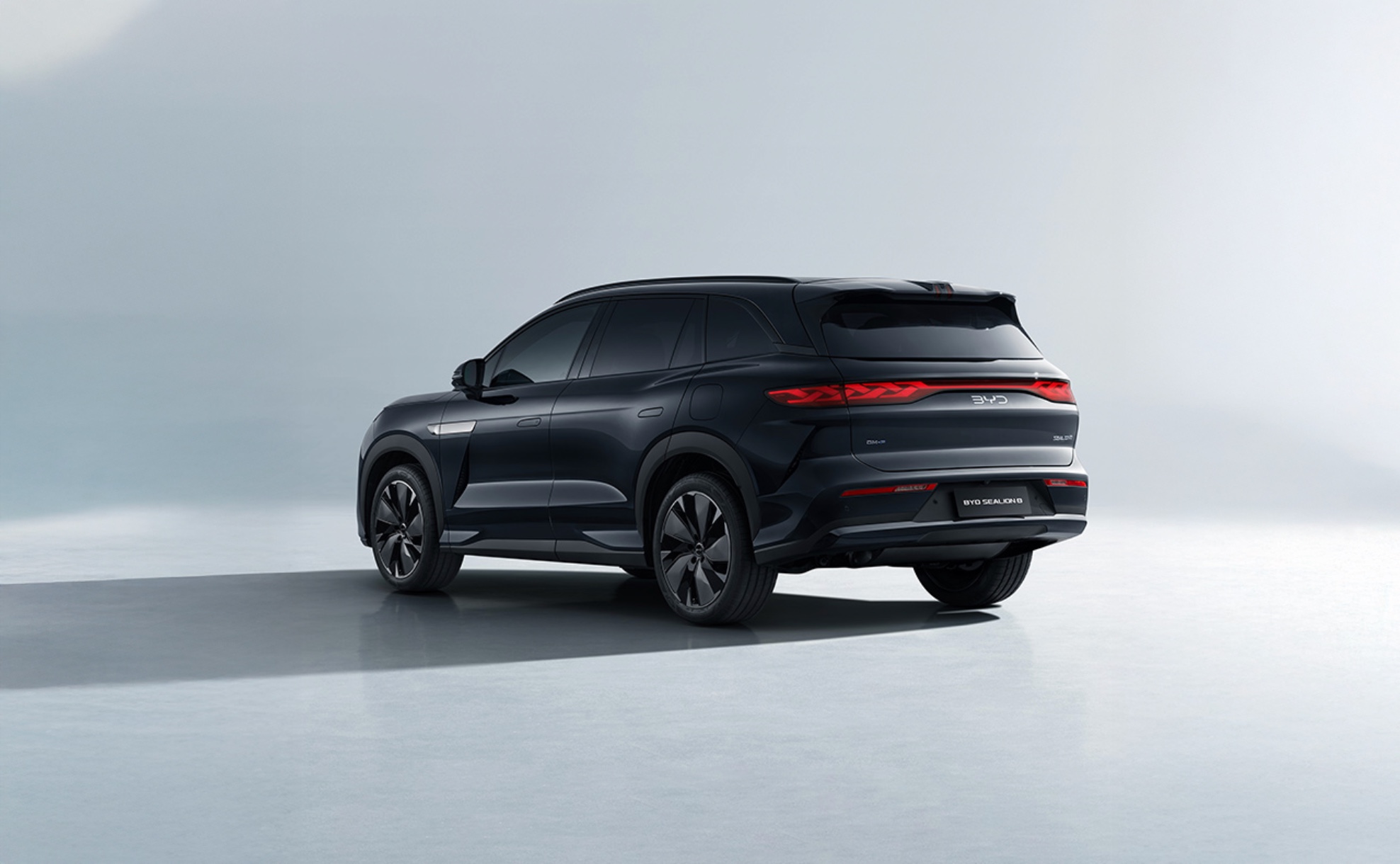
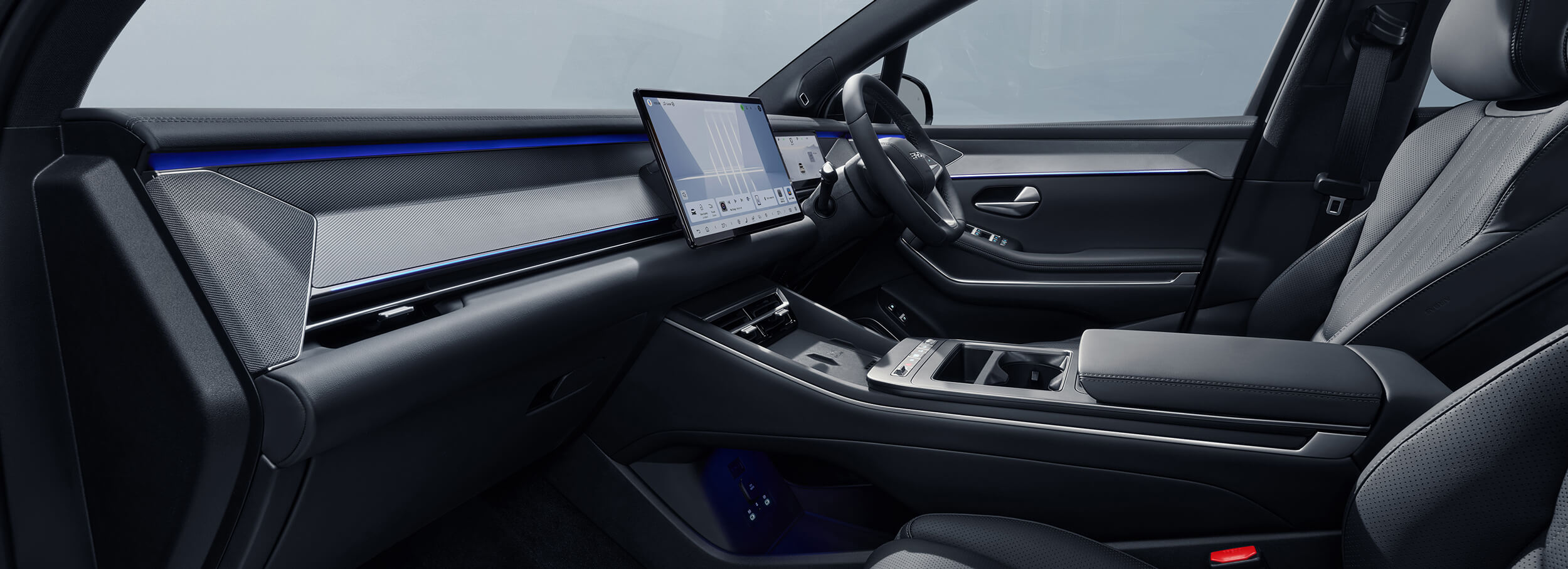
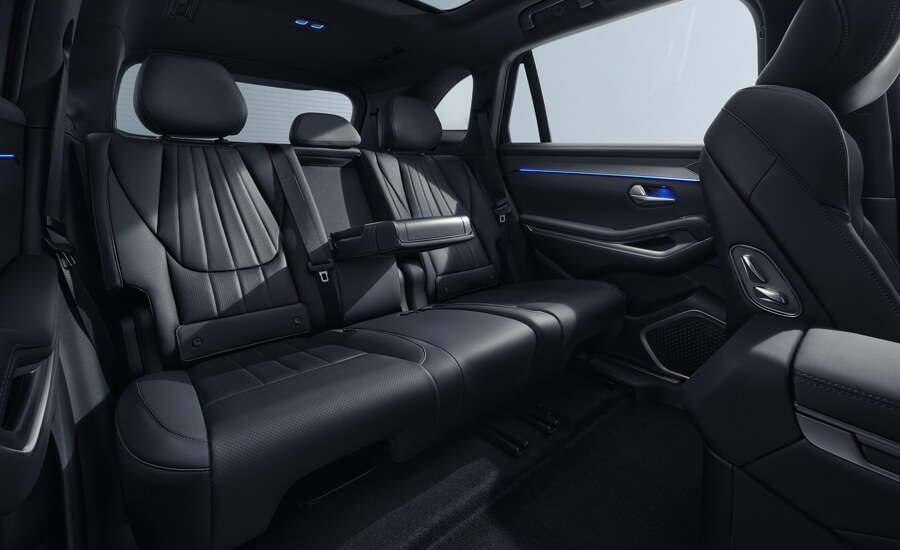
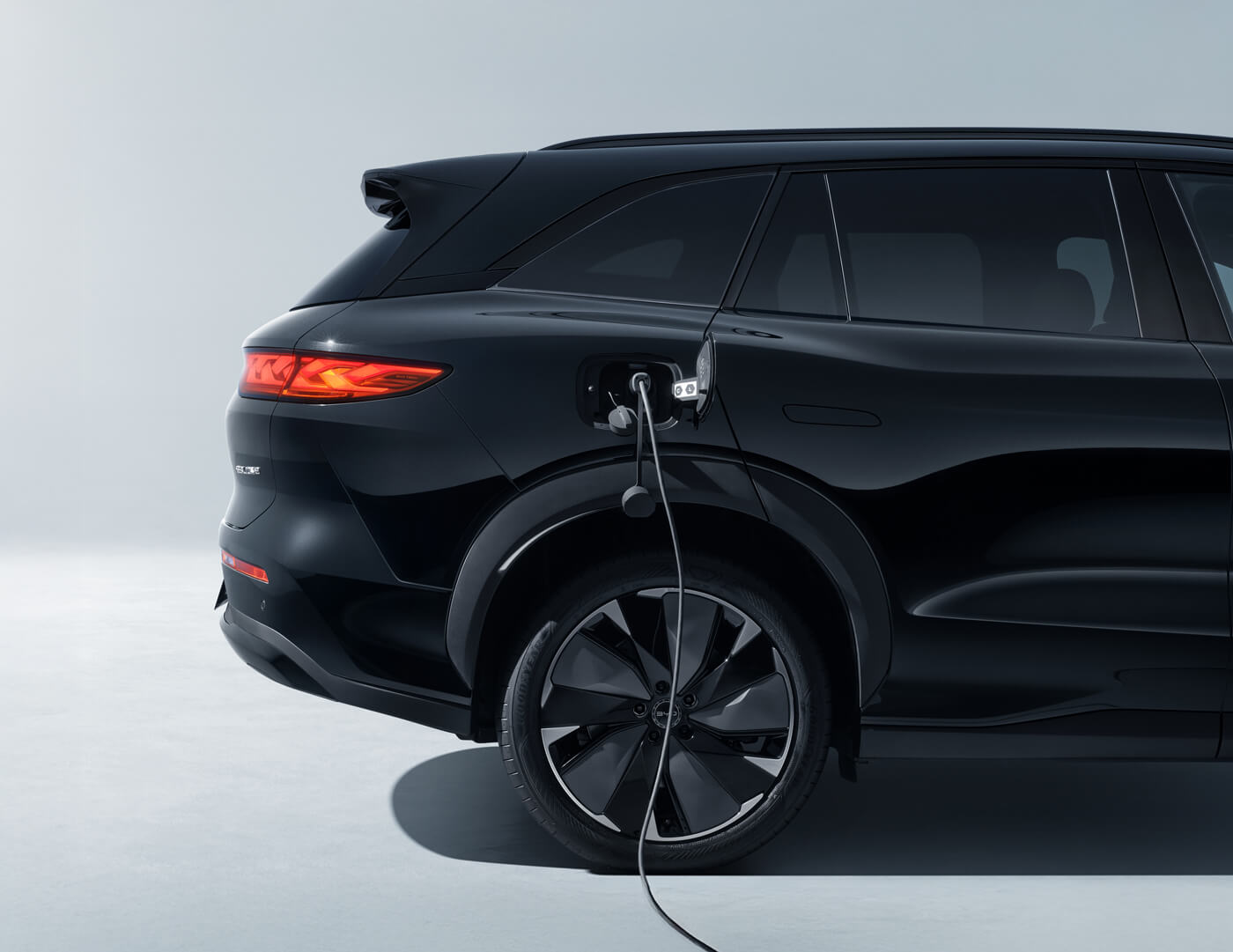
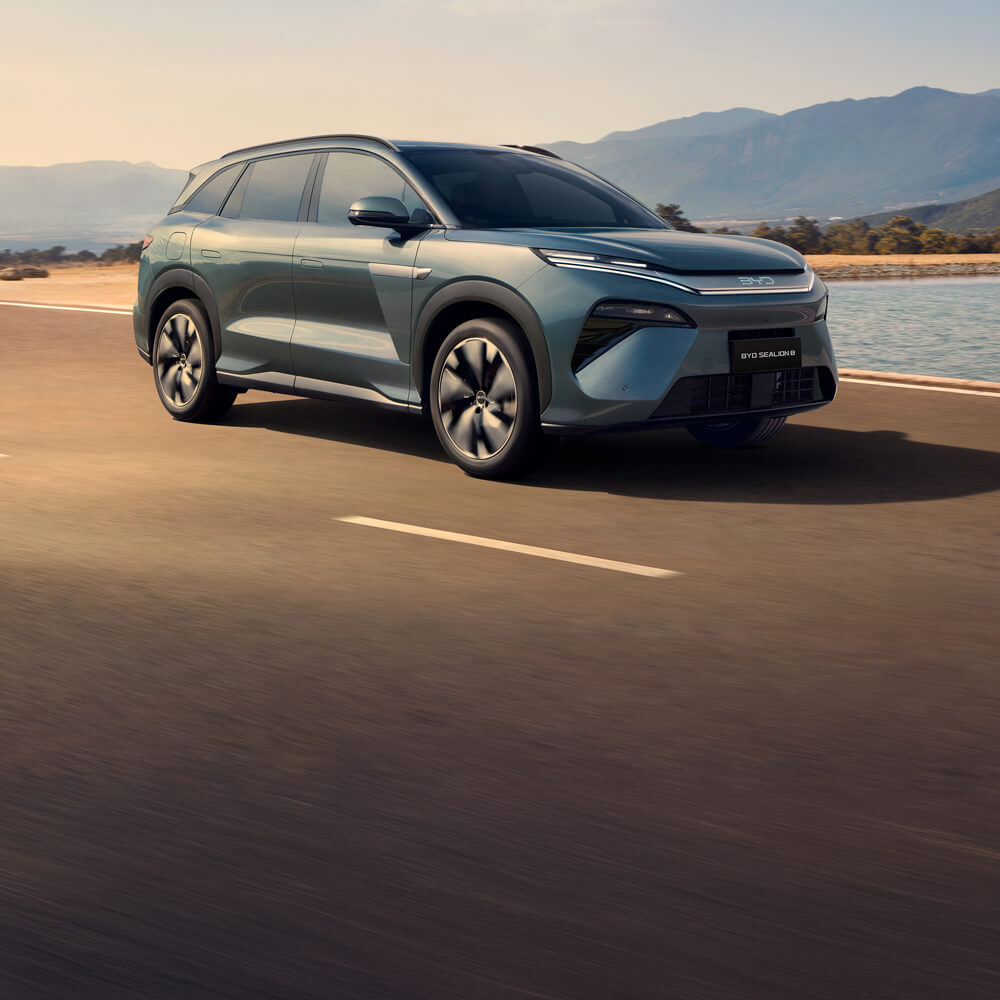
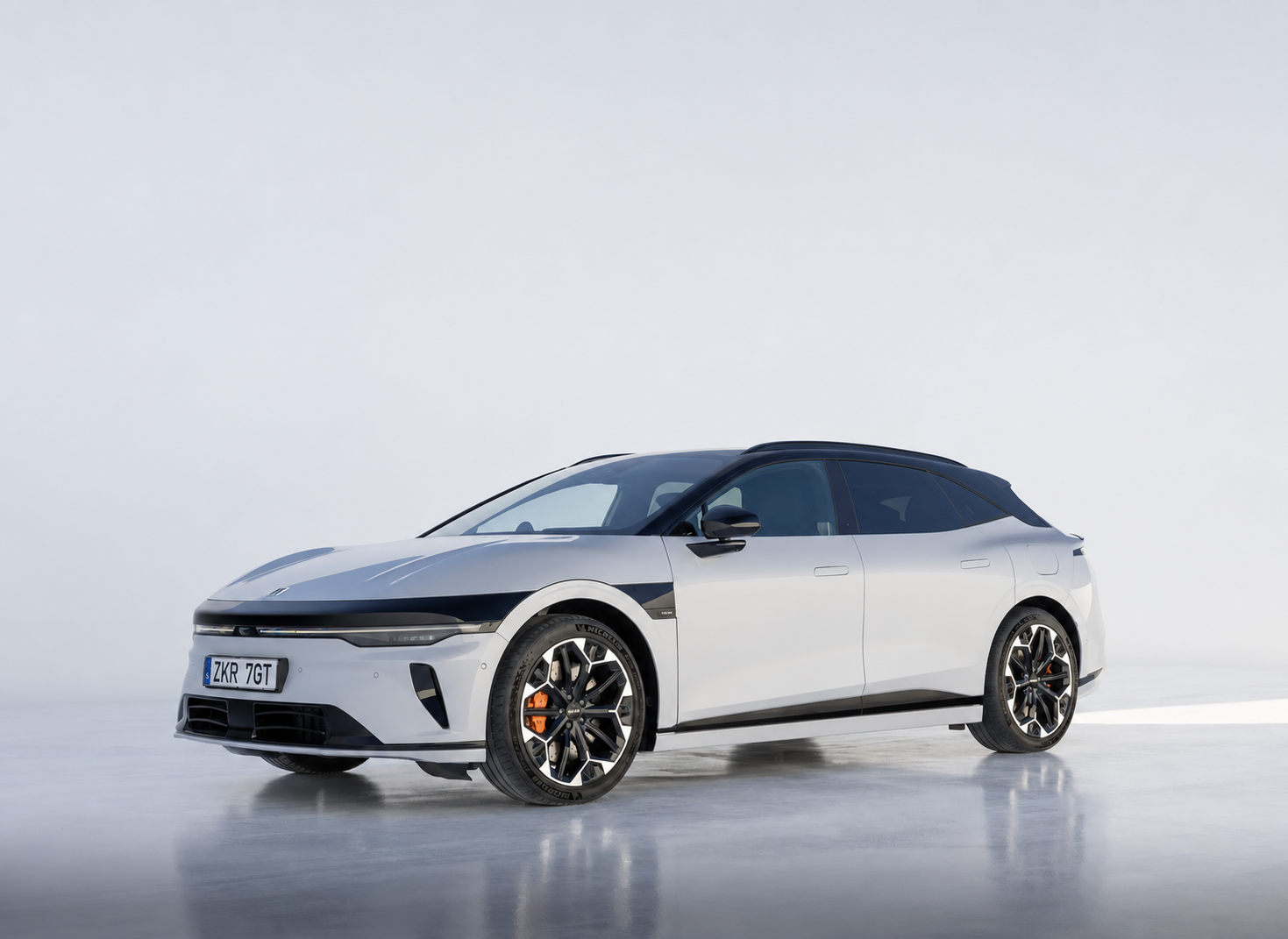
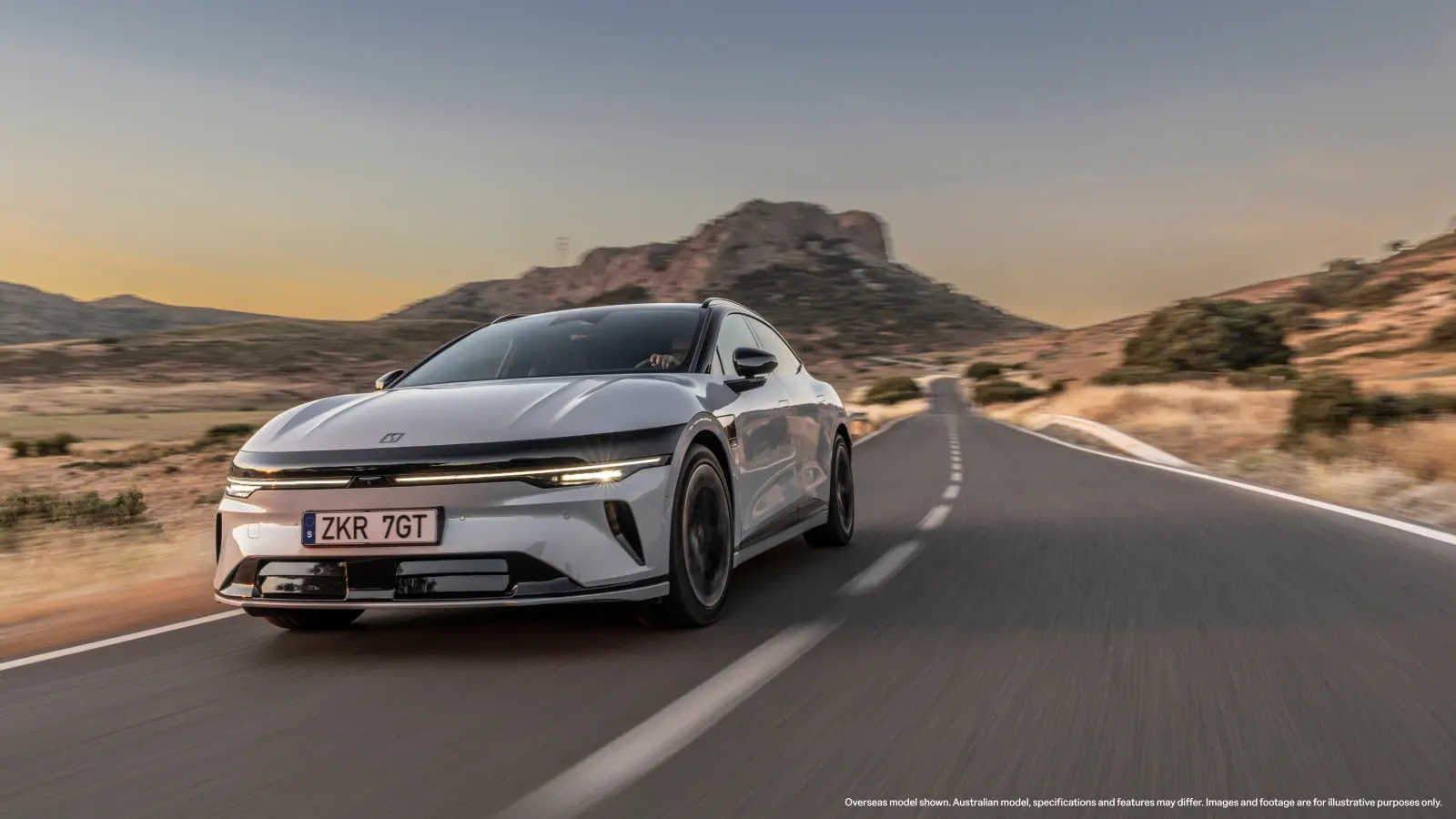
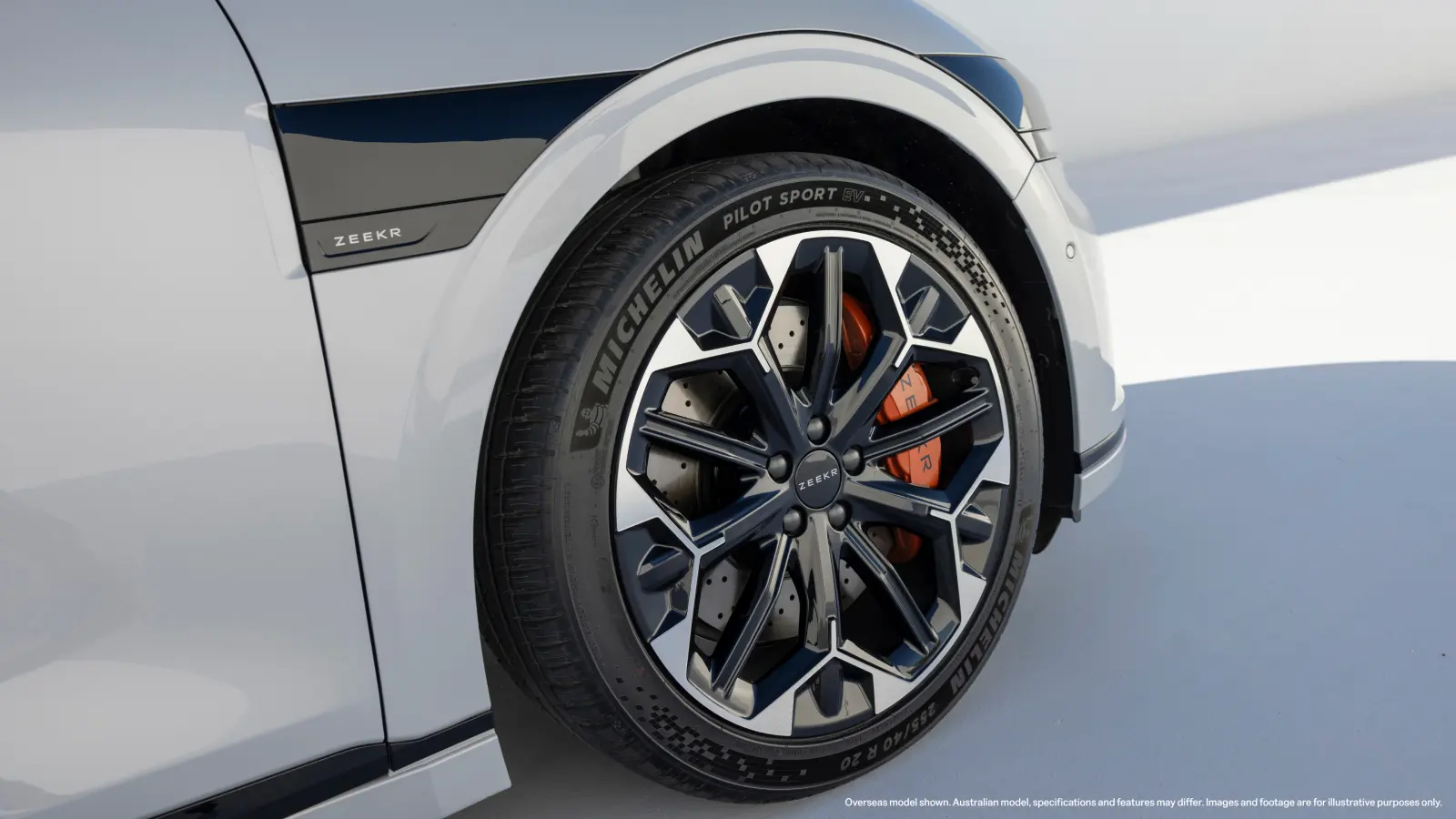

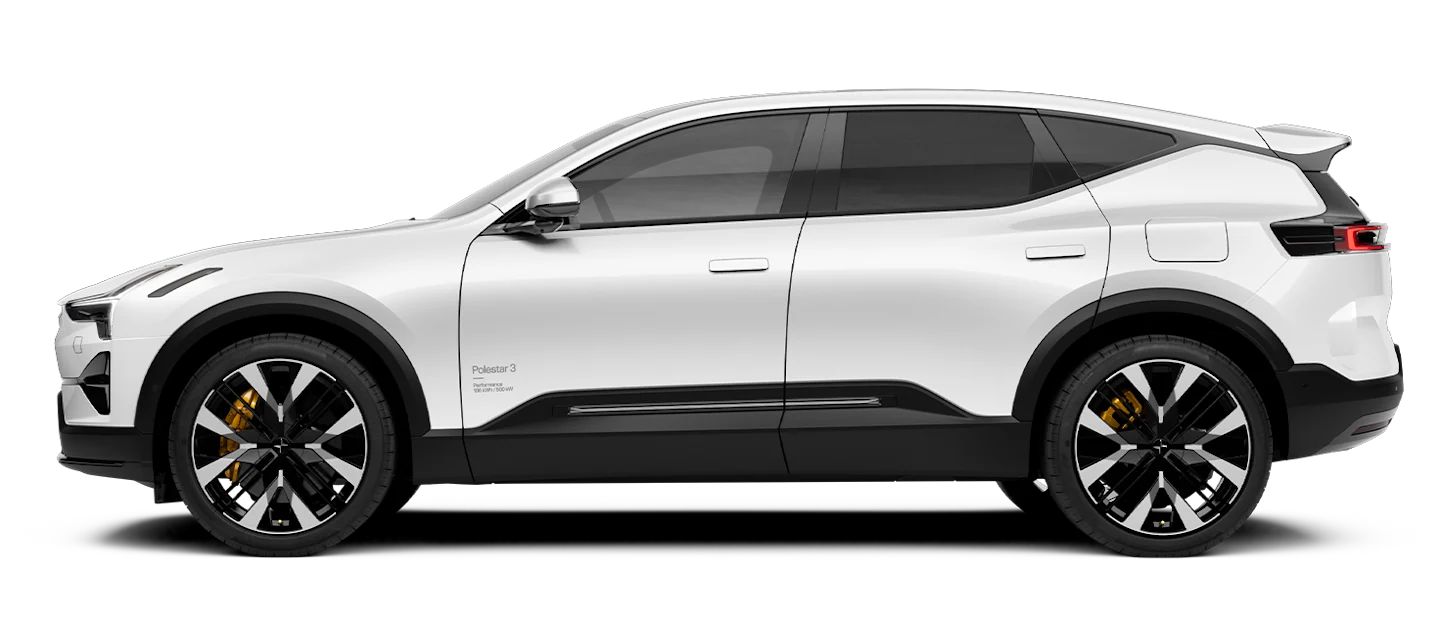
 WORTH A LOOK